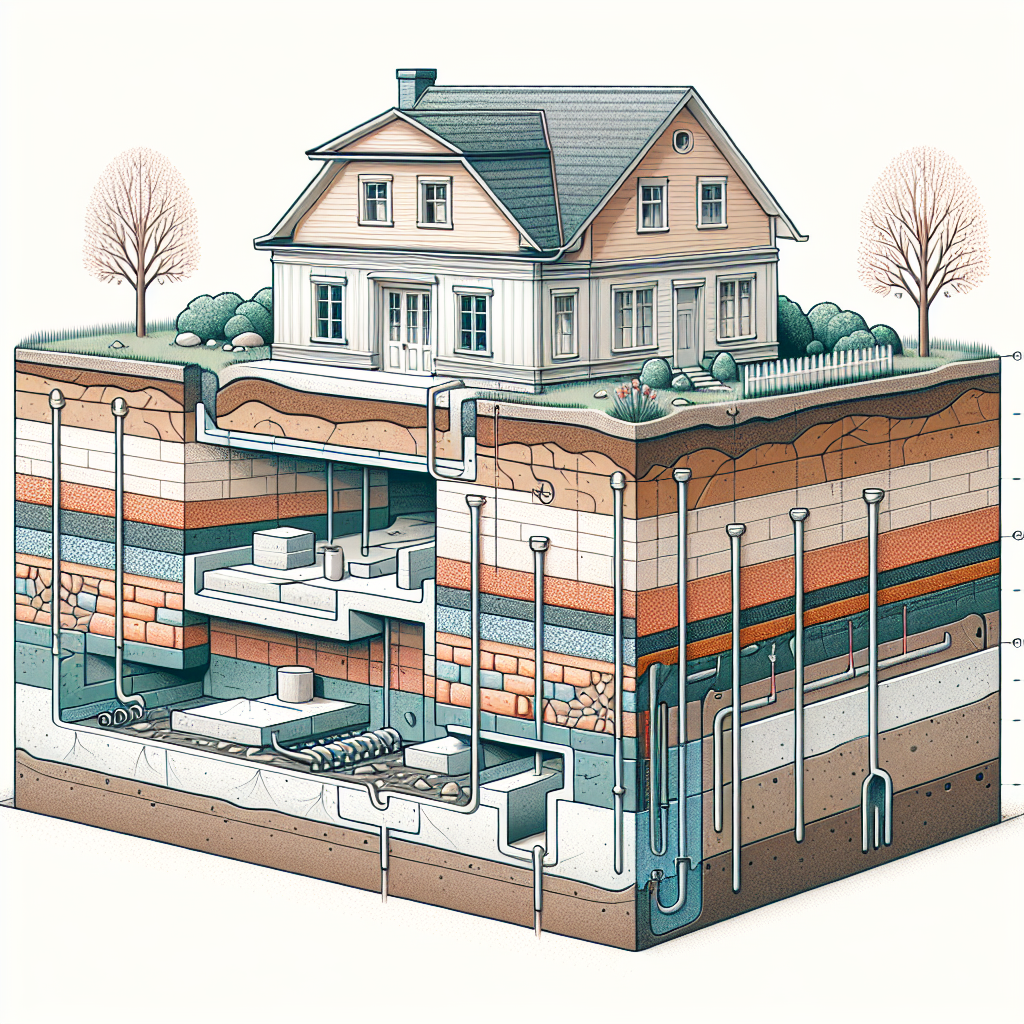
Foundations are the quiet backbone of any home. When they start to fail, problems often show up slowly, a tiny crack, a sticky window, a slight slope underfoot and then accelerate if left unchecked.
This article breaks down what typically leads to foundation problems, clear signs to watch for, and practical ways people address these issues to protect their property and safety.
What causes a foundation to fail
Several factors can weaken a foundation over time. Soil conditions, water, construction choices, and natural movement all play a role. Often, it’s a combination rather than a single cause.
Understanding the common triggers makes it easier to spot trouble early and choose the right fix. Below are the most frequent contributors and how they affect structural stability.
Soil movement and types
Clay-rich soils expand when wet and shrink when dry. That movement lifts and drops a foundation, creating stress and cracks.
Sandy soils drain quickly but may not support heavy loads well, causing settling. Fill material that wasn’t compacted correctly can compress over time.
Poor drainage and water buildup
Water is one of the biggest enemies of foundations. When water pools near a building, it softens soil and increases pressure against foundation walls.
Blocked gutters, broken downspouts, and poor grading push water toward the house instead of away from it, speeding damage.
Tree roots and vegetation
Large trees planted close to a home can pull moisture from the soil, causing shrinkage and settlement. Roots can also physically press against footings and walls.
Even shrubs and large gardens can change the local moisture balance and affect soil behavior around the foundation.
Construction and design issues
Foundations built on inadequate footings, on poorly prepared soil, or with subpar materials will struggle sooner. Underestimating load, ignoring local soil data, or skipping reinforcement creates weak spots.
Changes made to a house after construction, like removing load-bearing walls or adding heavy structures, can also overload the foundation if not properly supported.
Early signs that a foundation is failing
Spotting early indicators saves time and expense. Many of these signs start small but become more obvious as underlying issues progress.
Regularly walking around your home and checking both the interior and exterior can help you catch problems before they become severe.
Cracks in walls and floors
Hairline cracks are common and not always serious. However, wide, diagonal, or stair-step cracks, especially near corners and window openings, suggest movement.
Cracks in floor slabs that cause tripping hazards or allow water to seep through are also red flags.
Doors and windows that stick
Frames that suddenly bind, doors that won’t latch, or windows that jam often mean the house is shifting. These are practical signs of alignment change in the structure.
Changes may be seasonal at first, then become permanent as movement increases.
Uneven or sloping floors
Floors that feel soft, springy, or slope noticeably are usually tied to foundation settling or joist issues. Small differences in slope are worth recording over time.
Floor separation at a seam or movement near stairways often points to localized support loss.
Gaps around windows, doors, and moldings
Gaps between trim and walls, or visible separation at the baseboard, show that the surrounding surfaces are moving apart. These gaps are often easiest to spot along longer wall runs.
Watch for new gaps and note whether existing ones grow over months.
Common repair approaches and what they do
Fixing a foundation depends on the cause and severity of the problem. Solutions range from simple drainage improvements to heavy structural work.
Choosing the right approach often requires an inspection to determine whether issues are cosmetic or structural.
Improving drainage and grading
Often the least invasive and most cost-effective step is to control water flow around a home. Extending downspouts, adding gutters, and regrading away from the foundation reduce soil saturation.
French drains and surface swales can redirect excess water from problem areas and stabilize moisture levels around footings.
Underpinning and pier systems
When a foundation is settling or sliding, engineers may recommend underpinning to transfer loads to deeper, stable soil. Piers — either pushed or drilled — reach firm layers and lift or support the foundation.
These methods are common where soil depth to solid strata varies or where only part of a foundation has moved.
Wall reinforcement and carbon fiber straps
Bowling or bulging foundation walls can be stabilized with internal braces, helical anchors, or carbon fiber straps applied inside the wall. These measures resist inward movement and are less disruptive than rebuilding walls.
Each option has limits; carbon straps are ideal for minor to moderate bowing but not for walls that are failing due to severe foundation settlement.
Concrete slab repair
For slab-on-grade floors, options include mudjacking (lifting using a grout slurry) and polyurethane foam injection, which fills voids and lifts settled slab sections.
Polyurethane is lightweight and cures quickly, while mudjacking uses more material and may be less precise in displacement control.
Practical maintenance steps to reduce risk
Small, consistent efforts can prevent many foundation problems. Most steps focus on managing moisture and monitoring changes over time.
Simple checks and seasonal tasks protect both the foundation and the rest of the home.
Manage water away from the house
Keep gutters clean, ensure downspouts extend at least a few feet away, and check grading so water slopes away from the foundation.
Inspect the perimeter after heavy rains to look for pooling or new channels that direct water toward the structure.
Control vegetation near foundations
Plant trees and large shrubs several meters away from the home when possible. If large trees are already present, watch soil moisture and consider professional assessment if movement occurs.
Trim roots only with care; abrupt removal of a large root system can change moisture patterns and cause sudden shrinkage.
Seasonal inspections and records
Walk your property every season and note any new cracks, door or window issues, or changes in floor level. Photos and simple measurements over time tell a clear story.
If you notice fast changes or multiple warning signs, document them and seek a structural assessment early.
Conclusion
Foundations can last for decades when soil, water, and loads are managed. Problems emerge from a mix of natural forces and human choices, so understanding the common causes helps homeowners act wisely.
Early detection and targeted repairs reduce costs and preserve the safety and value of a property. Regular checks, good drainage, cautious landscaping, and timely professional advice keep most issues from becoming serious.
Frequently Asked Questions
Below are short answers to common questions people have about foundation problems and repairs.
How fast do foundation problems get worse?
The speed varies. Some issues progress over years, while others can accelerate after heavy rain or rapid soil drying. Monitoring changes over months helps reveal the trend.
Are all cracks a sign of major damage?
No. Small hairline cracks are often cosmetic. Wider, diagonal, or stair-step cracks in walls and floors are more concerning and should be evaluated.
Can poor drainage cause the foundation to fail?
Yes. Persistent water near the foundation weakens soil and increases lateral pressure, which can lead to settlement and wall bowing.
When is a professional inspection necessary?
Seek an inspection if you notice growing cracks, doors/windows binding, uneven floors, or water intrusion. A structural professional can diagnose causes and recommend solutions.
Will fixing surface issues stop foundation movement?
Surface fixes like patching cracks may hide symptoms but won’t correct underlying causes. Addressing drainage, soil support, or structural loads is essential for long-term stability.