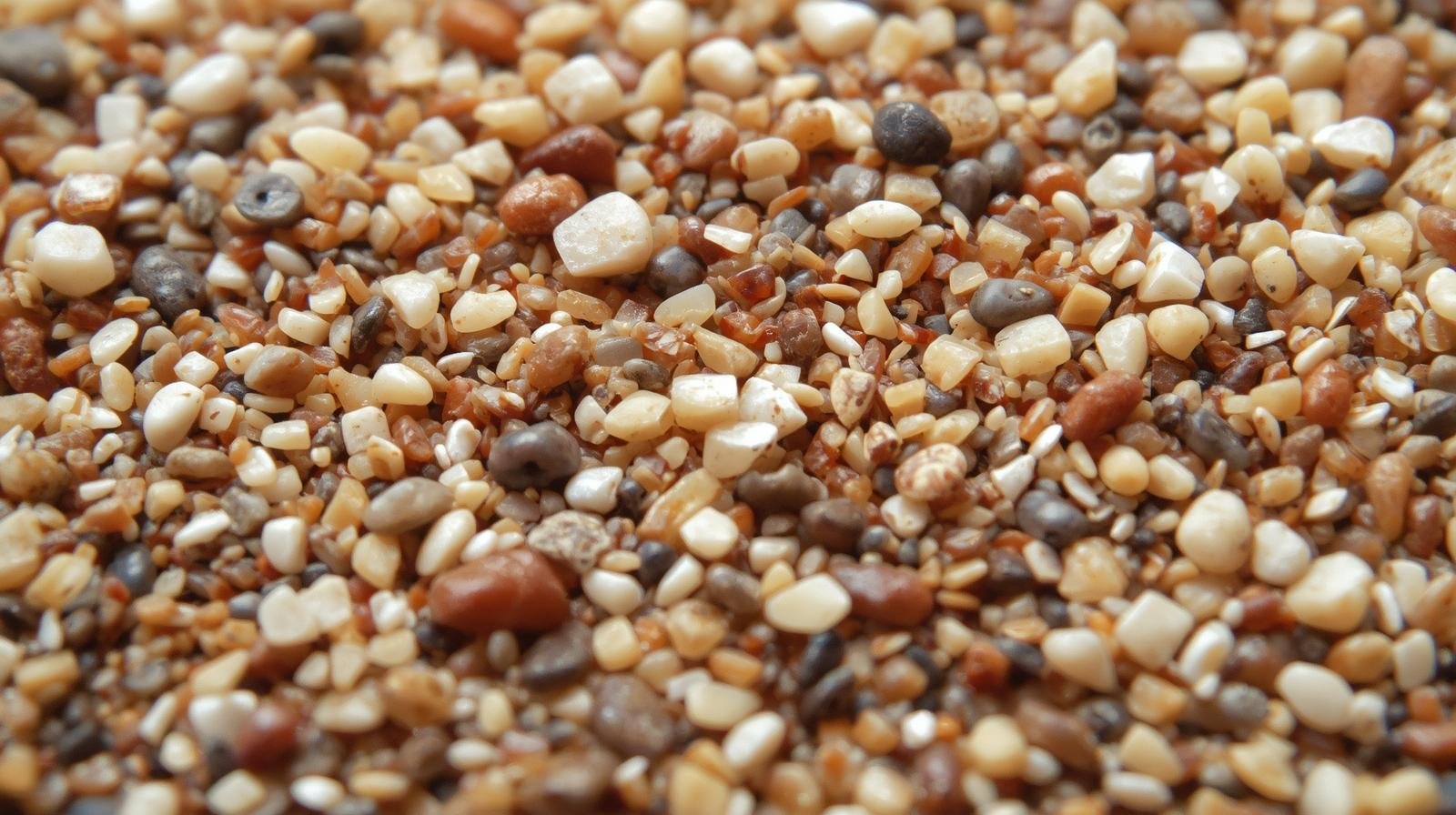
Fine aggregate is an essential component of concrete and mortar, playing a critical role in determining the workability, durability, strength, and finish of construction materials. It consists of natural or manufactured particles smaller than 4.75 mm in size, such as sand, crushed stone dust, or manufactured sand. This comprehensive guide explores the nature of fine aggregate, types, properties, standards, processing, testing methods, and its impact on construction quality. It also covers the roles of fine aggregate in concrete and mortar, challenges, sustainability aspects, and best practices for selection and use.
What is Fine Aggregate?
Fine aggregate refers to granular material that passes through a 4.75 mm sieve (No. 4 sieve) and is retained on a 75-micron sieve. It typically constitutes 35 to 45 percent of the total volume of concrete or mortar mix. Fine aggregates fill voids between coarse aggregates, contribute to the cohesiveness of the mix, and influence the surface finish and durability of hardened concrete.
Role of Fine Aggregate in Concrete and Mortar
Fine aggregate contributes to several key aspects of concrete and mortar:
- Workability: Fine aggregate improves the flow characteristics of fresh concrete, facilitating easier placement and compaction.
- Strength: It helps in achieving desired compressive and tensile strength by filling voids and providing a dense matrix.
- Durability: Proper quality fine aggregate reduces permeability and enhances resistance to weathering and chemical attack.
- Finish: Fine aggregates influence the surface texture and finish of concrete and mortar.
Types of Fine Aggregate
Fine aggregates can be broadly classified into two categories: natural fine aggregates and manufactured fine aggregates.
Natural Fine Aggregate
Natural fine aggregate primarily consists of sand obtained from river beds, lakes, or dunes. It is naturally occurring and usually well-rounded and smooth due to weathering and water transport.
- River Sand: The most commonly used natural fine aggregate, it is generally clean, well-graded, and free from impurities.
- Pit Sand: Obtained from pits or quarries, pit sand has angular particles and may contain impurities requiring processing.
- Sea Sand: Derived from marine sources, sea sand contains salts and impurities; it requires thorough washing before use.
Manufactured Fine Aggregate (M-Sand)
Manufactured fine aggregate is produced by crushing rocks, quarry stones, or larger aggregates to obtain particles below 4.75 mm. M-Sand has gained popularity due to the depletion of natural sand resources and environmental restrictions on sand mining.
- Advantages: Controlled grading, availability, and consistency in quality.
- Characteristics: More angular and rougher than natural sand, which can affect workability and water demand.
Physical Properties of Fine Aggregate
The physical properties of fine aggregate significantly affect the quality of concrete and mortar. Key properties include:
Particle Size Distribution (Grading)
Grading refers to the distribution of particle sizes within the aggregate. Proper grading ensures good packing of particles, reducing voids and water demand.
- Well-Graded: Contains a good range of particle sizes, providing dense packing.
- Poorly Graded: Contains particles of similar size, leading to higher voids and increased water demand.
Shape and Texture
- Shape: Particles can be rounded, angular, or flaky. Rounded particles improve workability but may reduce strength, while angular particles enhance strength but may require more water.
- Texture: Smooth particles improve workability, whereas rough particles increase water demand but improve bond strength.
Specific Gravity
Specific gravity is the ratio of the density of the aggregate to the density of water. It influences the weight and volume calculations in mix design.
Bulk Density
Bulk density is the mass of aggregate per unit volume, including voids. It affects the quantity of aggregate required in mix proportions.
Water Absorption
Water absorption measures the amount of water absorbed by the aggregate, which influences the water content in the mix.
Fineness Modulus
Fineness modulus is a numerical index representing the mean size of particles. It helps in assessing the grading and suitability for specific applications.
Chemical Properties of Fine Aggregate
The chemical composition of fine aggregate affects the durability and compatibility with cement and admixtures.
- Impurities: Clay, silt, organic matter, salts, and sulfates can adversely affect concrete strength and durability.
- Alkali-Silica Reaction: Some silica-bearing fine aggregates can react with alkalis in cement, causing expansion and cracking.
- pH and Contaminants: Acidic or highly alkaline aggregates can impact cement hydration and concrete properties.
Standards and Specifications for Fine Aggregate
To ensure quality, fine aggregate must comply with established standards and specifications developed by organizations such as ASTM, IS, BS, and others.
Common Standards
- ASTM C33: Standard specification for concrete aggregates (USA).
- IS 383: Specification for coarse and fine aggregate from natural sources for concrete (India).
- BS EN 12620: Aggregates for concrete (Europe).
Key Requirements
- Particle size limits and grading curves
- Limits on impurities and organic materials
- Maximum allowable silt and clay content
- Physical properties like specific gravity and water absorption
Processing and Preparation of Fine Aggregate
Before use in concrete, fine aggregates undergo certain processing steps to meet quality standards:
Washing
Washing removes silt, clay, salts, and organic matter that can compromise concrete quality.
Screening and Grading
Screening separates particles into size ranges, ensuring proper grading and uniformity.
Drying and Storage
Proper drying and storage prevent moisture variation, which affects mix water calculation.
Testing Methods for Fine Aggregate
Testing fine aggregate is essential for quality control and includes several physical and chemical tests:
Sieve Analysis
Determines particle size distribution and grading.
Specific Gravity and Water Absorption Tests
Measure density and porosity characteristics.
Bulk Density and Voids Test
Assess packing and void content.
Soundness Test
Evaluates resistance to weathering and degradation.
Clay and Silt Content Test
Determines the presence of deleterious fines.
Organic Impurities Test
Assesses potential adverse effects on cement hydration.
Fine Aggregate in Concrete Mix Design
Fine aggregate proportion influences concrete mix design by affecting workability, water demand, and strength.
Role in Workability
Fine aggregate affects flow and cohesion. Well-graded, rounded fine aggregates reduce water demand and improve workability.
Impact on Strength
Properly graded and clean fine aggregate contributes to optimal packing density and strength development.
Water Demand
Finer particles and rough textures increase water demand, requiring adjustments in mix water or admixtures.
Challenges in Using Fine Aggregate
Depletion of Natural Sand Sources
Over-extraction of natural sand from rivers has led to environmental degradation and scarcity, prompting the use of alternatives.
Quality Variability
Natural sand quality varies by source, requiring testing and processing to ensure consistency.
Environmental and Regulatory Issues
Mining restrictions and sustainability concerns impact supply and cost.
Use of Manufactured Sand
While manufactured sand addresses scarcity, its angularity and higher fines content require mix adjustments.
Sustainability and Environmental Considerations
Sustainable construction increasingly emphasizes responsible sourcing and use of fine aggregates.
Use of Recycled Aggregates
Recycled fine aggregates from crushed concrete reduce demand for natural sand.
Alternative Materials
Materials such as crushed glass, slag, and industrial byproducts are explored as fine aggregates.
Environmental Impact of Sand Mining
Controlling sand mining protects ecosystems, water quality, and reduces erosion.
Best Practices for Selection and Use of Fine Aggregate
- Select aggregates conforming to relevant standards.
- Conduct thorough testing for grading, impurities, and physical properties.
- Wash and process aggregates to remove deleterious materials.
- Adjust mix design to accommodate aggregate characteristics.
- Use admixtures to optimize workability and strength as needed.
- Monitor moisture content to accurately control mix water.
- Employ sustainable materials and recycling where feasible.
Case Studies and Applications
Use in High-Performance Concrete
Fine aggregates with specific grading and quality improve high-strength and high-durability concrete performance.
Manufactured Sand in Urban Construction
Manufactured sand has become essential in urban areas with restricted natural sand access.
Recycled Fine Aggregate in Green Building
Recycled aggregates contribute to LEED certification and sustainable construction goals.
Conclusion
Fine aggregate is a vital component of concrete and mortar, influencing every aspect from fresh mix properties to hardened concrete durability. Understanding the types, properties, standards, and challenges associated with fine aggregate allows construction professionals to optimize material selection and mix design. As natural sand sources become limited, the industry increasingly adopts manufactured and recycled alternatives, emphasizing sustainable practices.
Proper testing, processing, and quality control of fine aggregates ensure the production of strong, durable, and workable concrete, meeting the demands of modern construction. Continued research and innovation in fine aggregate usage will support the evolving needs of infrastructure development and environmental stewardship.