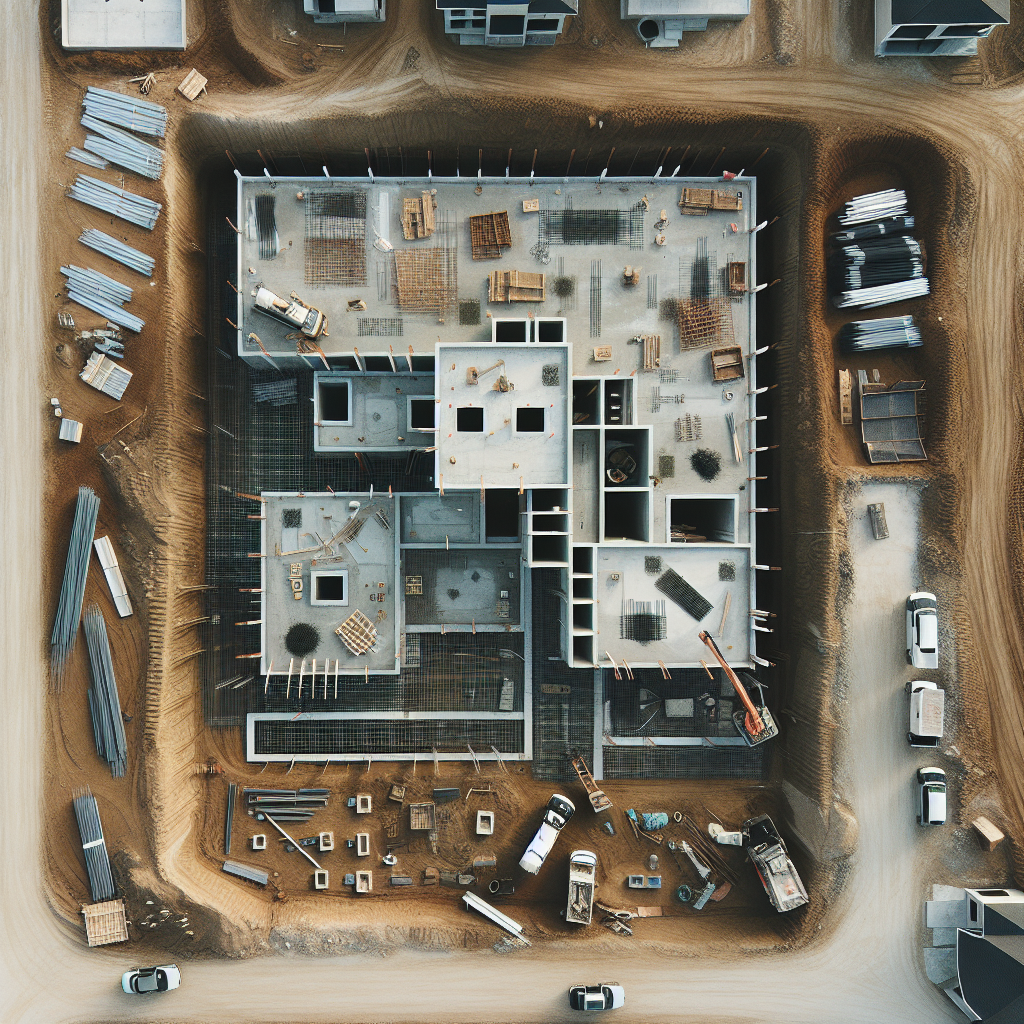
Every home starts from the ground up. A thoughtful approach to foundation planning reduces long-term repair costs and keeps the structure stable through changing seasons.
This article looks at site factors, common foundation choices, structural details, and on-site practices that matter most when laying foundations for houses.
Soil and site assessment
Before concrete is poured, the site must be understood. Soil type, groundwater, and nearby trees all affect how a foundation should be designed.
Spend time on testing and simple checks. Knowing the ground conditions narrows the options and highlights potential risks.
Understanding soil types
Sandy soils drain well but can shift under heavy loads. Clay can expand and shrink with moisture, creating movement that stresses walls and slabs.
A standard soil report or even basic hand tests can reveal whether a site needs deeper footings or a different foundation approach.
Groundwater and frost depth
High water table raises the risk of hydrostatic pressure against basement walls. Frost depth determines how deep footings must go to avoid seasonal heave.
Local codes set minimum depths, but local observations and history often give the best clue about extremes.
Vegetation and nearby loads
Large trees close to a house can dry soil and cause shrinkage, particularly in clay-rich sites. Overhanging roots may also damage shallow foundations.
Consider removing problematic trees or planning foundations that tolerate seasonal moisture swings.
Common foundation options and trade-offs
There is no single best foundation. Each option has trade-offs in cost, performance, and suitability for the soil and climate.
Choose a type that matches the site conditions, expected loads, and long-term maintenance preferences.
Shallow footings and strip foundations
These are economical where soils are stable near the surface. Concrete footings support load-bearing walls and spread forces into the ground.
Proper width and depth are critical; under-sizing leads to settlement and cracking.
Slab-on-grade
A slab can be a cost-effective solution in mild climates with good drainage. It eliminates basements and reduces excavation costs.
Insulation, vapor barriers, and proper compaction are essential to prevent moisture and thermal issues.
Crawlspaces
Crawlspaces raise the floor above ground, improving access to utilities and providing some protection from minor flooding.
They need ventilation or conditioned air and careful moisture control to avoid mold and rot.
Deep foundations
Piles or drilled shafts transfer loads to deeper, more competent soils. They are used where surface soils are weak or compressible.
Deep foundations cost more but add reliability on difficult sites and can reduce future settlement risks.
Structural details and moisture control
Sound structural design links the roof and walls down to the footings. Continuous load paths, proper reinforcement, and attention to moisture make foundations last.
Moisture control is as important as strength. Water is the common cause of foundation failures and must be managed early.
Load paths and reinforcement
Make sure vertical and lateral loads have clear paths to the ground. Reinforcement bars in footings and grade beams control cracking and carry tensile stresses.
Connections between footings, walls, and structural members should be detailed to resist uplift and lateral forces such as wind or seismic activity.
Drainage and waterproofing
Exterior drains, sloped grading, and waterproof membranes protect foundation walls from water. Interior systems help with high groundwater situations.
Proper drainage reduces hydrostatic pressure that can push water through cracks and joints.
Insulation and frost protection
Insulating the perimeter of slabs or using frost-protected shallow foundations reduces the need for deep footings in cold climates.
Insulation also helps maintain indoor temperatures and can lower energy costs when integrated with the foundation design.
Construction practices and common mistakes
Even the best design can fail with poor execution. Attention to compaction, concrete quality, and sequencing prevents many field problems.
Simple checks during construction save money compared with repairing issues later.
Site preparation and compaction
Remove organic matter and soft spots before placing structural fill. Compact in layers to achieve uniform support under slabs and footings.
Poorly compacted fill settles unevenly, leading to visible floor and wall cracks within months or years.
Concrete placement and curing
Mix consistency, proper reinforcement placement, and curing time affect concrete strength. Protect fresh concrete from rapid drying and freezing.
Allowing adequate cure time reduces shrinkage cracks and improves long-term durability.
Control joints and crack prevention
Placing control joints at regular intervals in slabs and walls directs cracks to planned locations. Reinforcement limits crack width but does not prevent cracking entirely.
Treat shrinkage and thermal stresses as expected behavior, and manage them with jointing and reinforcement strategy.
Conclusion
Foundations are a long-term investment in a building’s health. Thoughtful site assessment, the right foundation type, and careful construction together create durable support.
Balance cost, site constraints, and future maintenance when making decisions. Small up-front choices often prevent large repairs later.
Frequently Asked Questions
Below are common questions and concise answers to help clarify practical concerns about foundations and site planning.
How do I know if soil needs special treatment?
Look for signs of clay content, poor drainage, or organic fill. A simple soil test or a short professional report will indicate if deeper footings, soil replacement, or piles are needed.
Is a basement always a good idea?
Basements add living or storage space but increase excavation and waterproofing needs. In wet or high groundwater areas, basements can be costly to keep dry.
When is a slab-on-grade preferred?
Slabs work well on stable, well-drained sites and where frost is shallow. They reduce construction cost and speed up the build when no below-grade space is needed.
Can trees damage foundations?
Yes. Trees that draw water can cause soil shrinkage near foundations, especially in expansive clay soils. Plan spacing or choose foundation types that tolerate soil movement.
How important is drainage around the house?
Very important. Proper grading, gutters, and drains keep water away from the foundation and reduce hydrostatic pressure that leads to leaks and structural problems.
What are signs of foundation trouble?
Visible cracks in walls or slabs, doors that stick, uneven floors, and damp basements all point to possible foundation movement or moisture issues. Address causes early to limit damage.