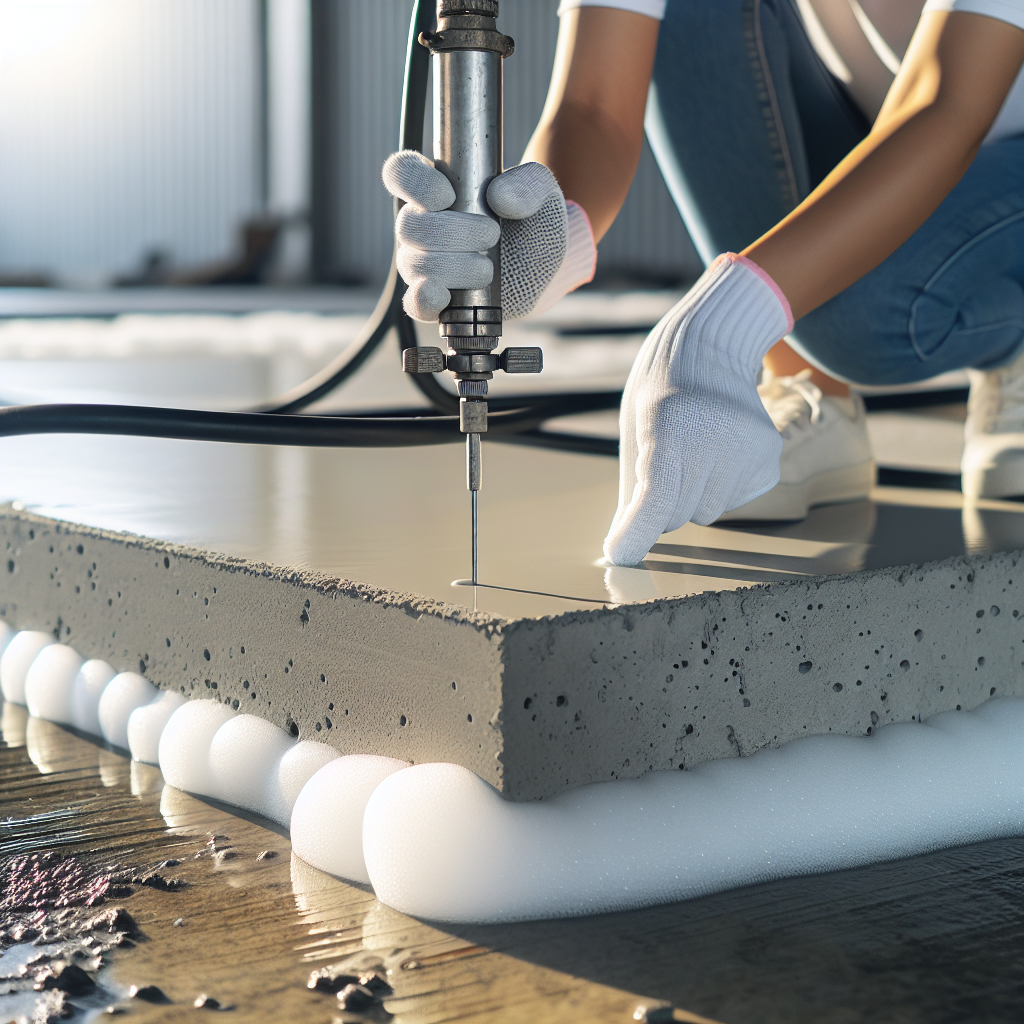
Sunken or uneven concrete is more than an eyesore; it can be a safety hazard and shorten the life of a slab. This article explains common ways to lift and level slabs so homeowners and property managers can make clear choices.
We cover how each method works, what to expect during the job, and how to prepare the site. No jargon just clear descriptions and realistic outcomes.
How concrete raising works
Concrete raising fixes low spots by filling voids beneath the slab and pushing it back into position. The goal is to restore a flat, stable surface while minimizing damage to the existing concrete.
The core steps are small access holes, material injection or pumping, and final surface leveling. Methods differ mainly by the lifting material and the way voids are filled.
Basic mechanics
Technicians drill holes through the slab at calculated points. Through these holes, a lift material is injected under pressure. As the void fills, the slab rises to the desired elevation.
Once the slab is level, holes are patched and cured. The process is generally faster and less disruptive than full removal and replacement.
How technicians decide where to lift
Technicians assess settlement patterns, slab thickness, and soil conditions. They typically raise the lowest points first and work outward in controlled lifts.
Monitoring tools and careful injection rates help avoid cracking from uneven pressure. A good crew will lift in small stages and check alignment frequently.
Common methods compared
Several techniques are commonly used to level slabs. Each has pros and cons tied to cost, speed, weight, and long-term performance.
Below are the main options: mudjacking, polyurethane foam, and cementitious grout. Short descriptions and comparisons follow.
Mudjacking (slab jacking)
Mudjacking pumps a cement-and-soil slurry beneath the concrete. It has been used for decades and remains a cost-effective choice for many jobs.
- Pros: Lower material cost, proven track record, good for thick slabs and heavy loads.
- Cons: Heavier fill adds load to soil, can wash out over time if drainage is poor, larger holes and longer cure times.
Polyurethane foam lifting
Polyurethane foam is a lightweight polymer that expands after injection. It flows into voids and hardens quickly, lifting slabs with minimal drilling.
- Pros: Lightweight, quick cure, small injection holes, resists water, very precise lifts.
- Cons: Higher material cost, foam may be more expensive for large-scale jobs.
Cementitious grout injection
Cementitious grouts mix fine cement with additives to create a flowable material. They combine some benefits of mudjacking and modern materials.
- Pros: Durable, good for structural support, compatible with concrete chemistry.
- Cons: Heavier than foam, may require longer curing, can be costlier than basic mudjacking.
When each option makes sense
The right approach depends on the slab use, soil type, and budget. Consider these factors when evaluating repair choices.
Think about load demands, moisture issues, and how fast you need the area back in service. That narrows the practical options.
Driveways, patios, and walkways
These surfaces often do well with polyurethane foam because it minimizes downtime and requires small holes that are easy to patch.
When the area sees heavy vehicle traffic, cementitious grout or mudjacking can be better due to higher weight capacity.
Garage slabs and heavy load areas
Garage floors and commercial slabs typically need durable support. Cementitious materials or well-done mudjacking provide the mass and stiffness these surfaces require.
Foam can work when properly specified, but discuss load ratings and long-term performance with the contractor.
Historic slabs or thin concrete
Thin slabs or historic concrete benefit from lighter lift materials. Polyurethane foam reduces the risk of cracking from added load.
Contractors should inspect slab thickness and existing reinforcement before choosing a method.
Preparing the slab and expectations during work
Preparation helps the job run smoothly and reduces surprises. A few simple steps on your part can make the process faster and cleaner.
Understand what the crew will do and how long the site will be affected. That sets realistic expectations.
Site prep checklist
- Clear the area of furniture, vehicles, and debris.
- Trim nearby vegetation that could block access.
- Mark utilities and inform the crew about any known underground issues.
- Secure pets and keep children away from the work zone.
What to expect during the process
For mudjacking and grout, crews drill holes typically 1 to 3 inches wide. Foam methods use smaller holes, often less than 1 inch.
Lifting happens quickly once the material flows under the slab. Crews may repeat injections to fine-tune the level. Patch work follows and often cures within hours to days based on the material used.
Costs, durability, and common pitfalls
Costs vary widely based on method, slab size, and region. Expect a range from economical to premium services depending on materials and complexity.
Durability depends on soil conditions and workmanship. Even the best materials need proper site assessment to last.
Cost drivers
- Material choice: foam is pricier, mudjacking materials cost less.
- Access and labor: tight or large sites raise labor time.
- Extent of settlement and soil instability can require additional work.
Long-term performance factors
Drainage is a top factor. Poor drainage leads to recurring settlement regardless of the lift material.
Soil type matters: loose, organic soils are more likely to shift than compacted granular soils. Addressing soil issues can prevent repeat repairs.
Common mistakes to watch for
- Choosing the cheapest quote without checking experience or references.
- Ignoring drainage or grading problems that caused settlement.
- Assuming every problem is just a slab issue; sometimes foundation or utility problems are involved.
Conclusion
Raising and leveling concrete is a practical alternative to full replacement in many situations. Knowing the methods and trade-offs helps you pick a suitable approach.
Evaluate the slab’s use, soil conditions, and expected lifespan when considering repairs. With the right method, a lifted slab can look good and perform well for years.
Frequently Asked Questions
Is concrete raising an affordable option compared to replacement?
Yes. In many cases, lifting a slab costs significantly less than removing and pouring new concrete. The exact savings depend on slab size, method used, and local labor rates.
Will the lifted slab stay level long term?
Longevity depends on addressing the root cause of settlement. Proper drainage and soil stabilization improve outcomes. The material chosen also affects durability.
How long does a typical job take?
Smaller residential jobs can be completed in a few hours. Larger or more complex sites may take a day or more. Cure times vary by material but are often short with modern foams.
Can all cracked slabs be raised?
Minor cracks usually do not prevent lifting. Severe or structural cracks may require replacement of sections. A technician should assess reinforcement and damage before lifting.
Are there signs a slab needs attention now?
Visible trip hazards, standing water near the slab, doors or windows that bind, and large gaps between slabs are signs to inspect. Early attention helps keep repair options flexible.