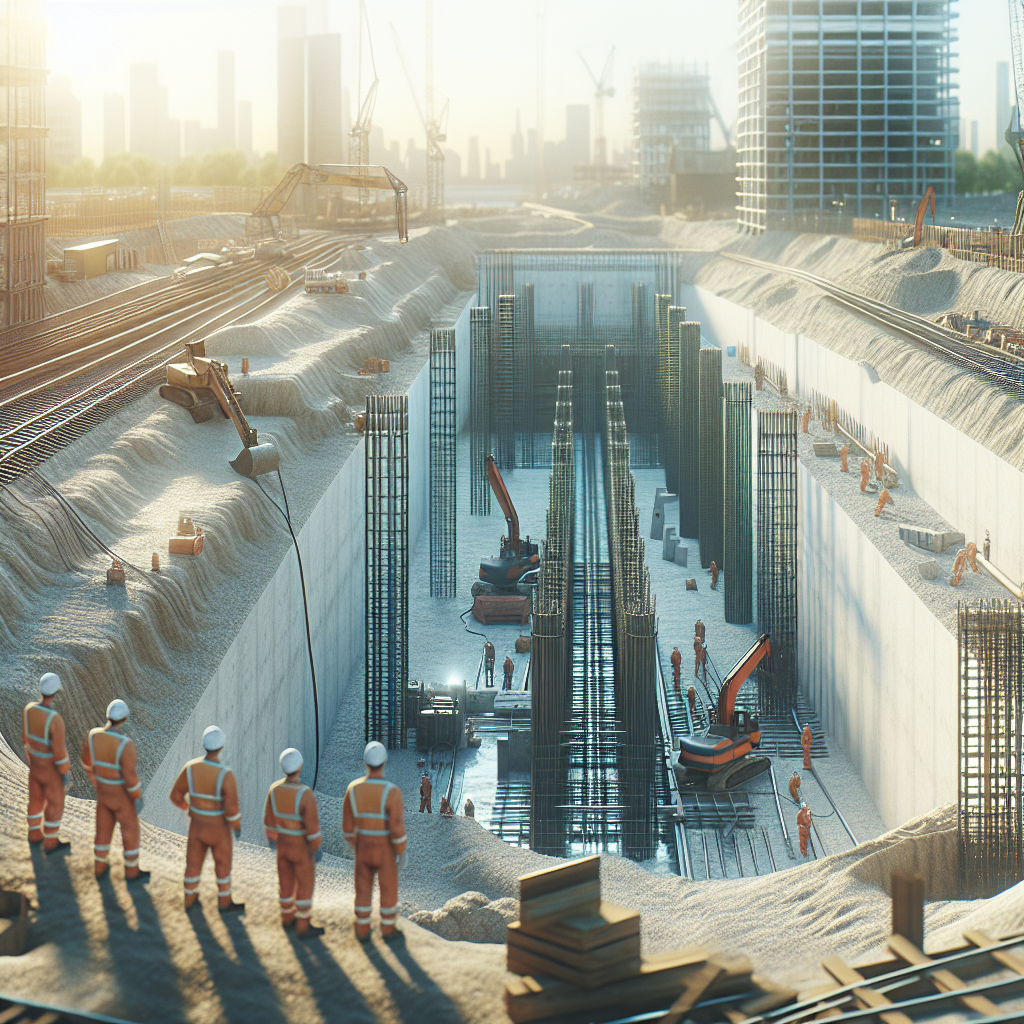
Protecting a worksite’s base starts long before concrete is poured. Thoughtful safety steps reduce collapse risk, injuries, delays, and costly repairs.
This article breaks down practical, field-ready actions to keep foundations stable and teams safe during every phase of work.
Site assessment and early planning
Good safety begins with a clear picture of the ground and nearby hazards. Early checks guide design choices and risk controls.
Focus on accurate data: soil behavior, water table depth, adjacent structures, and buried utilities all shape safe decisions.
Soil testing and interpretation
Complete soil tests to identify bearing capacity, compressibility, and shrink-swell potential. Use results to set footing sizes and depths.
Field observations should match lab results. If inconsistencies appear, repeat sampling in different spots before work proceeds.
Assessing groundwater and drainage
High groundwater or poor drainage increases flotation and erosion risk. Identify seasonal changes and expected stormwater behavior.
Plan dewatering or drainage improvements when needed, and design them to avoid damaging nearby foundations.
Managing utilities and nearby structures
Locate all underground utilities early to prevent accidental strikes. Use hand digging near marked lines and confirm with utility owners where possible.
Survey neighboring buildings for settlement risk. Support or protect any elements that could be affected by excavation or vibrations.
Excavation and shoring practices
Excavation is one of the most hazardous phases. Proper slope angles, shoring, and monitoring reduce cave-in and collapse risks.
Plans should specify excavation depth, permissible slopes, shoring types, and inspection intervals before work begins.
Safe slopes and benching
Where space allows, use slopes or benches to reduce pressure on trench walls. Select slope angles based on soil type and moisture.
Never assume a stable slope; weather and vibration can change conditions quickly. Re-assess after rain or heavy equipment use.
Designing temporary supports
Shoring and bracing must match the excavation profile and loads. Follow manufacturer limits and engineering specs.
Inspect supports daily and after any event that could shift loads, such as heavy rain or equipment impact.
Controlled access and egress
Provide safe ladders or ramps within trenches. Keep exits within a short distance so workers can escape quickly.
Maintain clear walkways and restrict access to trained personnel only. Use barriers to prevent accidental falls into open excavations.
Materials handling and installation quality
Material selection and placement affect long-term stability. Use proven mixes, correct reinforcement, and careful compaction to avoid future issues.
Quality control during delivery and installation prevents weak spots, voids, or corrosion that undermine foundations later.
Concrete mix and curing
Select a concrete mix that meets strength and exposure requirements. Avoid excessive water that weakens the final product.
Protect fresh concrete from rapid drying, freezing, or damage. Proper curing increases durability and reduces cracking risk.
Reinforcement placement and protection
Place rebar to maintain required cover and spacing. Use chairs or spacers to keep reinforcement in position during pours.
Protect steel from corrosion by ensuring correct concrete cover and avoiding contamination from soil or chemicals.
Compaction and backfill
Compact fill in layers and test density to meet design specifications. Poor compaction leads to uneven settlement.
Choose backfill materials that drain well and do not hold water against foundation elements.
Equipment, monitoring, and site controls
Equipment operation and ongoing monitoring reduce surprises. Keep heavy machinery away from unsupported edges and maintain inspection routines.
Real-time checks catch movement early and allow corrective action before small problems grow.
Safe machinery use near edges
Set exclusion zones so heavy equipment stays a safe distance from excavation edges. Soft or saturated ground can fail under machine loads.
When equipment must work close to an edge, use lighter machines or place mats to spread loads and reduce point pressure.
Regular inspections and instrumentation
Inspect excavations, supports, and adjacent structures at set intervals and after events like rain, vibration, or impact.
Use simple instruments—survey markers, inclinometers, and settlement gauges—to track movement and trigger timely interventions.
Site security and erosion control
Control surface runoff with temporary ditches, berms, or silt fencing to prevent washouts near foundations.
Secure the site at night to prevent unauthorized entry that could disrupt supports or compromise safety.
Workforce training and communication
Skilled teams apply safety measures consistently. Clear roles, briefings, and reporting lines help keep work steady and predictable.
Training should be practical and repeated when conditions change or new hazards arise.
Task-specific briefings
Hold short briefings at the start of shifts to review hazards, controls, and emergency procedures for the day’s activities.
Encourage workers to speak up about concerns and to report unexpected conditions immediately.
Documentation and permits
Keep copies of design drawings, permits, and inspection reports on site so decisions reference the latest data.
Document any deviations from plan and the mitigation steps taken, creating a clear record for future checks or audits.
Emergency readiness and incident response
Even with precautions, incidents can happen. Prepared teams minimize harm through clear plans and practiced responses.
Response plans should be simple, visible, and adapted to site specifics like access routes and nearest medical facilities.
Clear emergency roles
Assign a limited number of people to lead evacuations, first aid, and emergency communication. Make sure everyone knows who they are.
Post emergency numbers and show primary and secondary exit routes near high-risk work areas.
Equipment for rescue and first aid
Keep first aid kits, stretchers, and breathing protection accessible. Ensure at least some crew members hold valid first aid training.
Regularly check rescue equipment and replace expired supplies to avoid gaps when seconds matter.
Conclusion
Strong foundations rely on thorough preparation, careful execution, and constant attention to changing conditions.
By combining sound planning, quality materials, skilled teams, and ongoing monitoring, sites stay safer and projects stay on track.
Frequently Asked Questions
What are the most common risks during foundation work?
Trenching collapse, unexpected water inflow, poor soil compaction, and accidental utility strikes are common. Each can cause injury and require measured controls to prevent.
How often should excavation supports be inspected?
Inspect supports at least daily and after any event that might affect stability, such as heavy rain, ground movement, or equipment strikes.
When is dewatering necessary?
Dewatering is needed when groundwater or surface run-off threatens excavation stability or prevents proper placement and curing of concrete.
Can compacted fill eliminate settlement risk?
Proper compaction greatly reduces settlement but does not always eliminate it. Use suitable materials and testing to meet design requirements and monitor performance over time.
What documentation should be kept on site?
Keep soil reports, design drawings, permits, inspection logs, and equipment maintenance records readily available to support safe, informed decisions.