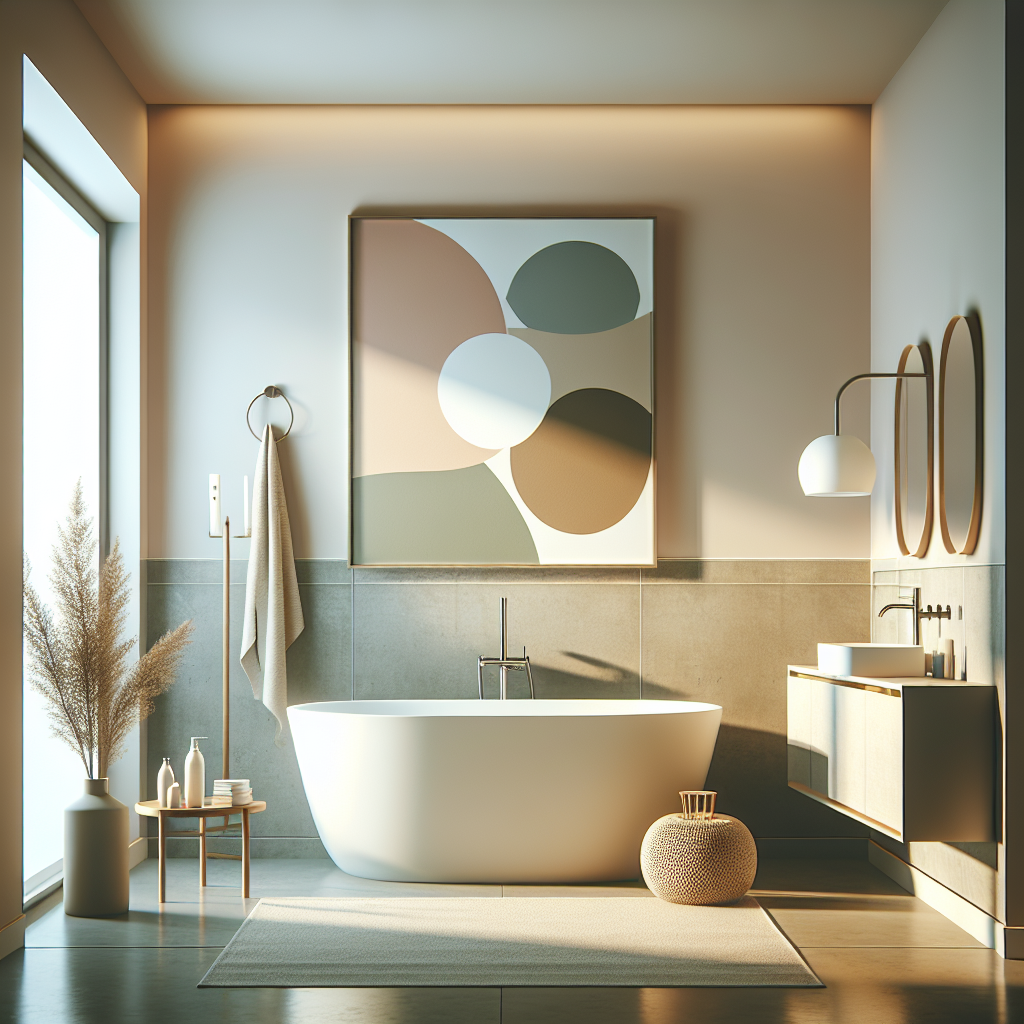
Choosing the right tub size affects comfort, safety and the overall layout of a bathroom. Knowing typical measurements helps you plan plumbing, storage and surrounding fixtures without surprises.
This article breaks down common tub types, typical dimensions, and practical layout tips so you can pick a tub that fits both the space and your needs.
Common tub shapes and why size matters
Tubs come in several shapes and each shape uses space differently. A slightly longer alcove tub may fit where depth is limited, while a freestanding tub needs more open floor area even if its footprint is compact.
Beyond footprint, depth and interior length influence comfort and water volume. Two tubs with the same outer length can feel very different when you factor in slope, rim width and internal shape.
Alcove tubs (most frequent choice)
Alcove tubs sit between three walls and are the most common in homes. Their standard lengths make them easy to fit into typical bathroom layouts.
- Usual outer lengths: 60 inches (5 ft), 54 inches, and 72 inches for longer models.
- Standard widths: 30 to 32 inches on the outer edge.
- Common depths: 14 to 17 inches of water depth, with total rim-to-floor height around 15–20 inches.
Freestanding tubs (style-focused)
Freestanding tubs are placed away from walls and create a visual centerpiece. They often require more clearance but can be narrower or deeper depending on the style.
- Typical lengths: 55 to 72 inches.
- Widths: 27 to 36 inches, depending on single- or double-ended designs.
- Depths: 15 to 22 inches; soaking models trend deeper.
Corner and triangular tubs
Corner tubs fit into a corner and can save linear wall space. Their irregular shape affects usable interior and makes estimating water volume important.
- Common corner leg lengths: 48 to 60 inches measured along each wall.
- Usable bathing width often less than a straight tub of the same wall length.
Soaking and whirlpool tubs
Soaking tubs are deeper and shorter, built to allow immersion. Whirlpool tubs add mechanical components that change internal volume and require additional access space.
- Soaking tubs: interior depth often 18–22 inches.
- Whirlpools: similar outer dimensions to alcove or freestanding tubs but need service access panels and sometimes bigger footprints for pumps.
Typical measurements by tub type
Instead of a table, here are clear lists of common outer dimensions, interior lengths and typical depths. Use these as a baseline when measuring a room.
Standard alcove tub sizes
Alcove tubs are made to fit common rough openings and are easiest to plan for.
- 60″ x 30″ x 14″–16″ (length x width x water depth): the most common single-person tub.
- 54″ x 30″ x 14″–16″: fits smaller baths and short-wall layouts.
- 72″ x 36″ x 14″–16″: longer tubs for large baths, often with deeper interiors.
Freestanding sizes to expect
Freestanding tubs vary widely in shape; measure clearance around them rather than only footprint.
- Short freestanding: 55″ length x 27″ width x 15″ depth.
- Standard freestanding: 60″ x 30″ x 16″–18″.
- Large double-ended: 66″–72″ x 32″–36″ x 16″–20″.
Corner and triangular tub dimensions
Corner tubs list two wall measurements (both sides from corner) and the diagonal front edge.
- Typical: 48″ x 48″ with a front depth of 30″–36″.
- Larger models: 60″ x 60″ with increased water capacity and seating space.
Soaking and deep-soak options
Deep-soak tubs prioritize interior depth over length. They are ideal if you want full immersion in less linear space.
- Length: often 48″–60″; Width: 28″–32″; Interior depth: 18″–22″.
- Be mindful of step-in height and water volume; deeper tubs need more water and may require stronger floor support.
How to measure your space accurately
Take confident measurements before you buy. Walk the room mentally and note how people will move around the tub, where doors swing, and where storage or vanity will sit.
Measure wall-to-wall, then mark the plumbing rough-in and check clearances from the centerline of the drain to nearby walls or fixtures.
Measure length, width and clearance
Use a tape to measure the full wall length and width; then measure from finished wall surfaces where the tub will touch.
- Measure floor-to-ceiling height if considering alcove showers or tall fixtures.
- Allow at least 21″ from tub rim to a toilet centerline for comfort in many local codes.
- Check door and cabinet swing paths so you don’t block access to the tub.
Plumbing rough-in and drain placement
Tub drains are commonly centered along the tub’s length but not always. Confirm the location of the plumbing stub-out and rough-in height.
- Alcove tubs often use a center or end drain; freestanding tubs use a floor drain or pop-up with flexible connections.
- Measure from a fixed wall to the center of the drain to match the replacement tub or move plumbing if necessary.
How depth, material and design affect perceived size
Two tubs with the same outer dimensions can feel very different because of interior contours, slope of the backrest, and the rim width. Material also plays a role in insulation and weight.
Consider who will use the tub: taller people need longer interiors; those who like full immersion want deeper models even if length is modest.
Material differences and practical impact
Common materials include acrylic, fiberglass, enameled steel, cast iron and stone composites. Each has pros and cons related to weight, heat retention and thickness.
- Acrylic: lightweight, retentive of heat, often thicker rim profiles that slightly reduce interior space.
- Fiberglass: cost-effective but can flex; interior shape may feel shallower.
- Cast iron/enameled steel: durable with thinner walls, offering a bit more interior space for the same outer dimensions, but much heavier.
- Stone composites: high heat retention and often sculpted interiors, but very heavy and pricey.
Depth vs comfort — how to choose
Depth affects immersion, back support and step-in height. Deeper tubs require more water and may be harder for some people to enter.
- Shallow tubs (12″–15″ water depth): easier to step into, save water, and suit quick rinses.
- Moderate depth (15″–18″): a balance of immersion and accessibility.
- Deep-soak (18″+): full immersion, often paired with drop-in or freestanding designs and sometimes requiring anti-scald controls.
Practical tips for planning and installation
Planning early saves time and money. Match tub style to bathroom workflow and consider maintenance needs like access to pumps on whirlpools.
Always check local building codes and product installation instructions to confirm clearances, floor loading and required supports.
Floor support and weight considerations
Filled tubs can weigh hundreds to thousands of pounds. Ensure the subfloor and joists can carry the load, especially with heavy materials like cast iron or stone composites.
- Calculate filled weight: tub empty weight + water weight (1 gallon ≈ 8.34 lbs) + occupant weight.
- Consider reinforcing the floor or placing heavy tubs over load-bearing walls when possible.
Access and maintenance needs
Whirlpool tubs and some freestanding models need service access panels. Plan where such panels will be located and that they remain reachable after installation.
- Alcove tubs: often have access from the side or through removable wall panels.
- Freestanding tubs: pumps and drains may need flexible connections and an access panel hidden in cabinetry or a removable wall.
Conclusion
Choosing the right tub means balancing footprint, depth, material and the habits of the people who will use it. Measure carefully, think about plumbing and floor support, and match style to how the bathroom is used.
Use the typical sizes listed here as a baseline, then verify exact product dimensions before purchase or installation to avoid surprises.
Frequently Asked Questions
Below are short answers to common questions about tub sizes and selection.
What is the most common tub size?
The most common tub size is 60 inches long and 30 inches wide with a water depth of roughly 14 to 16 inches. This fits many bathrooms while offering reasonable comfort for most adults.
Can a tub be shorter than 60 inches?
Yes. Shorter tubs (48″–54″) exist and work well in small bathrooms or when paired with a deep soak design to preserve immersion without a long footprint.
How deep should a soaking tub be?
A good soaking tub typically has an interior water depth of 18 inches or more. Comfort depends on backrest angle and interior length as well as depth.
Do freestanding tubs take up more space?
Freestanding tubs often require extra clearance around the sides and a finished wall design if placed against a wall, so they can need more usable floor area despite similar footprints to alcove tubs.
What should I check before replacing a tub?
Measure the finished wall-to-wall distance, drain center location, and floor support. Match these to the new tub specifications and note the required clearances for fixtures and doors.
Are there tubs that save water?
Yes. Shallow tubs and compact models use less water. Some soaking tubs use a more vertical interior that allows immersion with less water than a long, shallow tub.