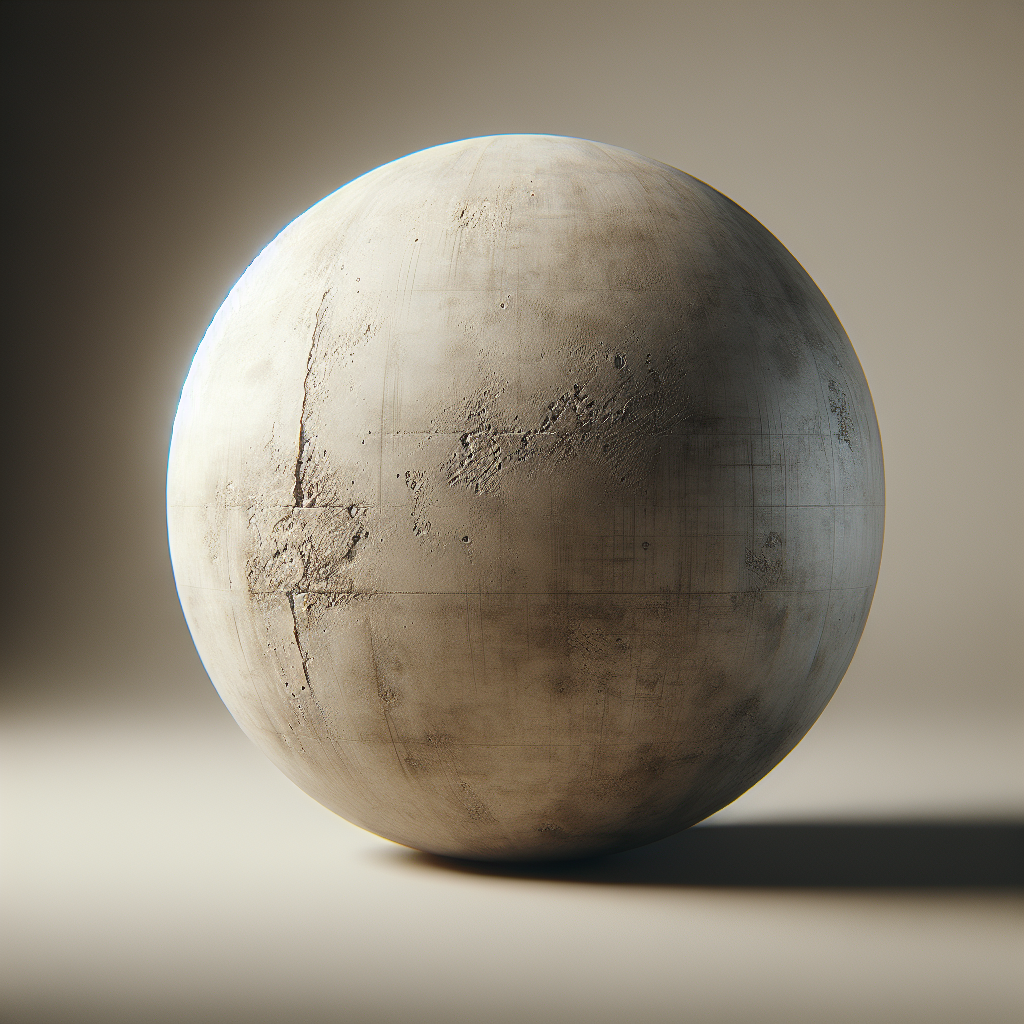
Spalling concrete happens when the surface layer of concrete flakes, chips or peels away. That surface damage looks minor at first but can hide deeper problems that will grow if left unattended.
article breaks down common causes, practical inspection steps, repair options and durable prevention tactics. Read on to learn how to identify risk, choose repairs, and keep concrete intact longer.
Why concrete flakes and breaks down
Concrete is durable but not indestructible. Surface failure usually starts as a small weakness and spreads through cycles of moisture, temperature change, or chemical attack.
Knowing the root cause helps match the right fix. Some causes need simple surface repair, while others require addressing reinforcement corrosion or drainage.
Freeze-thaw cycles
Water that soaks into pores expands when it freezes. Repeated freeze-thaw cycles create internal pressure that cracks and loosens the surface layer.
Areas with poor drainage or frequent freezing show this pattern most often.
Corrosion of embedded steel
Rusting steel reinforcement expands and pushes the surrounding concrete outward. This stresses the cover and leads to flaking and large patches falling off.
Signs include rust stains, bulging patches and deep delamination near rebar lines.
Chemical attack and salts
De-icing salts, sulfates and other chemicals can react with concrete components, weakening the matrix. Salt crystallization can also break the surface from inside.
Coastal structures or pavements exposed to salted roads are at higher risk.
Poor mix or placement
Low-quality concrete, inadequate cover over reinforcement, or finishing errors can produce a weak surface layer prone to dusting and spalling.
Early age problems often appear quickly, while design flaws show up later as larger defects.
How to inspect and assess surface damage
A clear inspection helps separate cosmetic flakes from structural issues. Start with a visual sweep, then test and record findings before repair.
Assessment includes size, depth, location relative to reinforcement, and likely cause. That determines materials and steps needed.
Visual clues to classify damage
Small, thin flakes limited to a few millimeters are often surface scaling. Larger, deep patches that reveal aggregate or rebar suggest structural spalling.
Look for rust stains, horizontal cracks, bulging areas, and patterns near joints or drains.
Simple non-destructive checks
Tap suspect areas with a hammer; a hollow sound often means delamination. Use a probe to gently test adhesion of the surface layer.
Photograph and map defects so repairs can be tracked over time.
When depth and reinforcement matter
If spalls reach rebar or extend beyond the cover depth, the repair must address both concrete and steel to restore durability and strength.
Measure cover thickness where possible; note areas with clustered deep damage or structural members affected.
Common repair methods and materials
Repair choice depends on the damage type: shallow scaling, medium-depth spalls, or deep patches exposing reinforcement. Materials range from simple mortars to specialized systems.
Work quality and surface preparation often matter more than the product brand. Proper cleaning, rust treatment, and bonding ensure longer-lasting repairs.
Patch repairs with repair mortars
Polymer-modified or cementitious repair mortars are used for small to medium spalls. These products bond well and have shrinkage control to reduce cracking.
Steps include removing loose concrete, cleaning, treating any steel, applying a bonding primer if required, and placing the mortar in thin layers.
Concrete overlays and resurfacing
When surface damage is widespread but the structure is sound, overlays restore a unified surface and improve protection. Thin overlays can be applied with trowels or sprayers.
Select mixes rated for adhesion, freeze-thaw resistance and abrasion if surfaces will be trafficked.
Steel repair and corrosion control
If reinforcement is corroded, remove rust, apply corrosion-inhibiting coatings or galvanic repairs, then restore cover with appropriate mortar.
In severe cases, consider cathodic protection systems that slow ongoing steel corrosion without repeated patching.
Protective coatings and sealers
Surface sealers, silane treatments, or breathable coatings reduce water and chloride ingress. Choose breathable options where vapor movement is important.
Coatings are preventive but not a substitute for fixing active corrosion or deep delamination.
Step-by-step approach for a durable patch
A systematic repair routine minimizes rework and extends service life. Proper sequencing and curing are essential.
Below are core steps that apply to most spall repairs, simplified for clarity.
- Remove loose and delaminated concrete down to sound material.
- Clean the area of dust, salts, and contaminants using water or compressed air.
- Expose and treat corroded steel: remove rust and apply an anti-corrosion coating.
- Prime the substrate if the repair material recommends it to improve bond.
- Place repair mortar in thin lifts, compacting and finishing to match the surrounding surface.
- Cure according to product instructions; moist curing often improves strength and reduces shrinkage cracking.
- Apply a protective sealer once the repair is fully cured where needed.
Prevention and routine care that slows damage
Repair is only part of the solution. Preventive measures extend the life of concrete and reduce future spalling events.
Focus on controlling moisture, reducing chemical exposure, and maintaining drainage and joints.
Control water and drainage
Design and maintain slopes, gutters and drains to keep water away from concrete surfaces and joints. Standing water accelerates deterioration.
Fix leaks and ponding quickly and maintain sealants around penetrations.
Limit salt and chemical exposure
Use alternatives to chloride de-icers where possible, and rinse treated surfaces after winter. Design barriers or sacrificial overlays in high-exposure zones.
Apply penetrating silanes or breathable repellents on exposed concrete to slow salt uptake.
Routine inspections and small repairs
Frequent, focused checks catch small defects before they become big repairs. Address minor cracks and edge chips promptly.
Keep a maintenance log with photos and dates to spot recurring problems and seasonal patterns.
Cost factors and choosing a practical solution
Repair budgets range widely. Small patch repairs are inexpensive, while structural fixes with corrosion control and overlays cost more but last longer.
Estimate total lifecycle costs rather than just initial price. A longer-lasting repair often saves money over repeated short fixes.
Short-term vs long-term spending
Quick cosmetic fixes may restore appearance but won’t stop ongoing corrosion or freeze-thaw damage. Durable methods that address root causes usually have higher upfront costs but lower lifetime expense.
Consider frequency of use, exposure severity, and access costs when selecting a method.
When outside help is needed
Complex cases involving structural members, large delaminations, or repeated failure benefit from assessment by a trained concrete specialist. They can recommend corrosion control systems or more extensive restoration techniques.
Small homeowners or commercial managers with limited experience should at least consult a reputable contractor for price comparisons and material options.
Conclusion
Spalling concrete is a visible sign that moisture, salts or corrosion are affecting the slab or structure. Early detection and the right repair strategy protect both appearance and long-term performance.
Combine careful inspection, proper material selection, good workmanship and preventive maintenance to minimize recurring issues and extend service life.
Frequently Asked Questions
What is the difference between scaling and spalling?
Scaling is shallow surface flaking often caused by freeze-thaw or finishing mistakes. Spalling usually refers to deeper loss of cover that may expose aggregate or reinforcement and can be structural.
Can small flakes be repaired without removing rebar?
Yes. If damage is shallow and rebar is not exposed or corroded, a polymer-modified patch mortar or overlay can restore the surface effectively.
How long does a proper repair last?
Life expectancy varies with exposure and technique. Well-prepared repairs addressing corrosion and moisture can last many years; quick cosmetic fixes may fail in a few seasons.
Are sealers and coatings enough to stop spalling?
Sealers reduce moisture and chloride ingress but won’t fix active corrosion or deep delamination. Use them as part of a broader maintenance plan rather than a standalone fix.
Is it safe to walk on surfaces with spalling?
Small areas are usually safe but remain cautious. Large or loose patches can be a trip hazard and may indicate deeper structural issues that need attention.
How often should concrete be inspected?
Inspect twice a year in harsh climates and after significant weather events. High-exposure areas may need quarterly checks. Keep records to track progression over time.