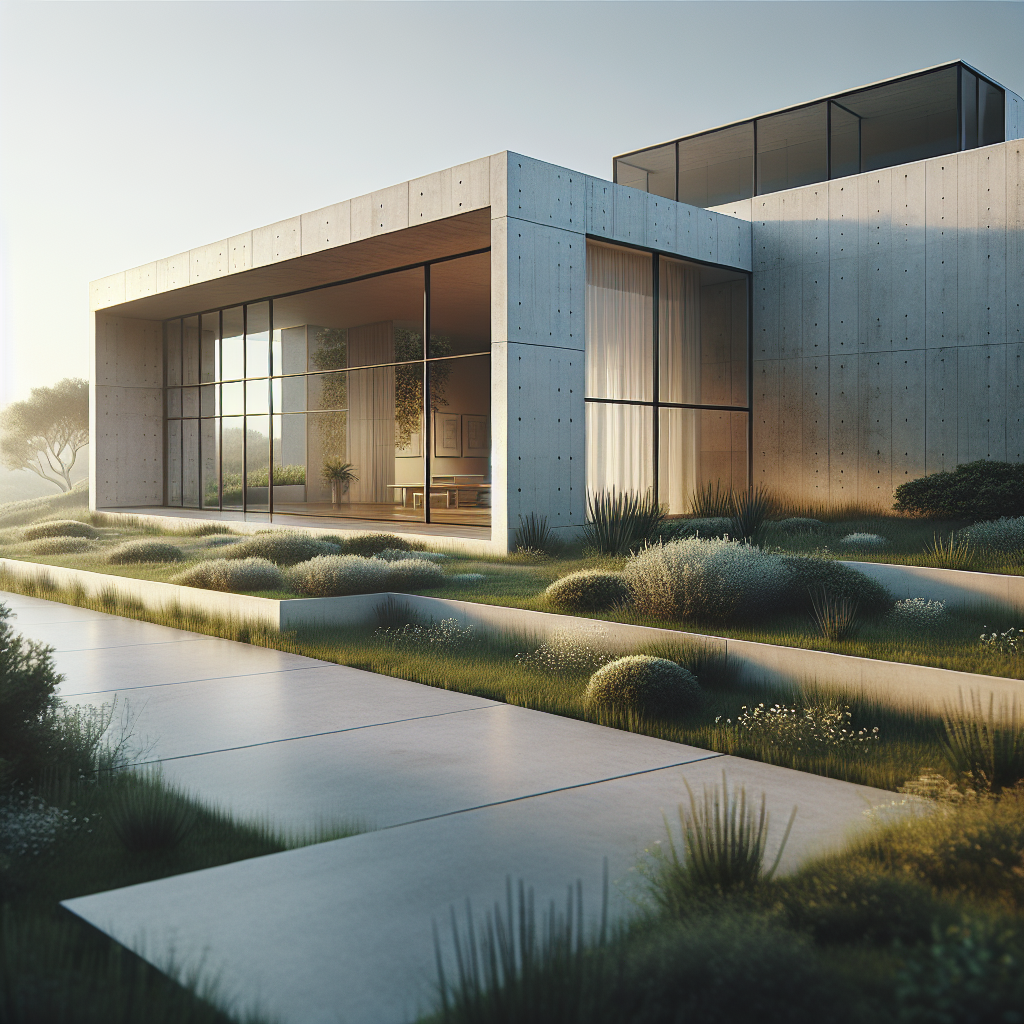
Concrete homes are becoming a popular choice for people who want durability, low maintenance, and flexible design. They can look sleek and modern or classic and textured, depending on finishes and formwork.
This article explains how a concrete house comes together, the materials used, the advantages and drawbacks, and practical tips to keep one performing well for decades.
Why concrete homes are growing in popularity
Many homeowners choose concrete because it combines strength with thermal benefits. Solid walls and floors help stabilize indoor temperatures and reduce drafts.
Concrete also offers fire resistance and sound insulation, making it attractive in both urban and rural settings. The material allows varied architectural styles, from raw, modern looks to smooth, painted surfaces.
Durability and lifespan
Concrete resists rot, termites, and many pests that affect timber. A well-built concrete structure can last many decades with minimal structural repairs.
Its resistance to moisture and fire reduces long-term repair costs and insurance considerations in some regions.
Energy performance
Massive concrete walls and floors store heat and release it slowly, which helps keep interiors cooler in summer and warmer in winter.
Pairing concrete with good insulation and windows can significantly lower heating and cooling demands compared with lightweight construction.
How a concrete house is built
Building with concrete follows a sequence that prioritizes safe foundations and controlled curing. Each step affects the final strength and finish.
Skilled coordination of trades and correct timing make a big difference in quality. Weather, mix design, and site preparation are key variables to manage.
Site preparation and foundation
Work starts with clearing, grading, and compacting soil. A stable, well-drained base prevents settling and cracking later on.
Common foundation types include isolated footings, strip footings, and slab-on-grade. The choice depends on soil, climate, and the design of the house.
Formwork and shaping
Formwork creates the shape of walls, slabs, and other elements. It can be timber, steel, or modular panel systems depending on budget and finish quality.
Careful alignment and sealing of formwork prevent leaks and ensure clean edges. Reusable systems speed up construction on multi-unit projects.
Reinforcement and embedded systems
Rebar and welded mesh give concrete tensile strength and control cracking under load. Correct placement is essential to meet design requirements.
Conduits, anchors, and sleeves are fixed in place before pouring so electrical and plumbing routes are protected and tidy.
Mixing, pouring, and curing
Concrete quality depends on a balanced mix of cement, aggregates, water, and admixtures. Ready-mix suppliers help maintain consistency.
After pouring, concrete must cure. Keeping it moist during the curing period improves strength and reduces shrinkage cracks. Rapid drying can lead to surface issues and lower long-term performance.
Finishes and openings
Once cured, surfaces can be treated in many ways: exposed aggregate, smooth trowel, painted, or cladded with stone or timber. Each finish has different costs and maintenance needs.
Window and door openings are framed precisely to allow proper sealing and thermal performance. Flashings and membranes protect junctions from water ingress.
Design options and architectural approaches
Concrete works with a wide range of styles. It pairs well with steel, glass, and timber accents to create contemporary forms.
Design choices influence both aesthetics and performance, so early decisions about layout and orientation matter.
Monolithic walls vs. panel systems
Monolithic pours form continuous walls and floors, which are strong and seamless. They suit curved or sculptural designs.
Precast or insulated concrete panels offer faster installation and consistent finishes. They can reduce site labor and waste.
Thermal insulation strategies
Insulation can be internal, external, or integrated as insulated concrete forms (ICFs). External insulation keeps thermal mass inside the building envelope.
ICFs combine insulation and formwork in one system, speeding construction while delivering high energy performance.
Surface treatments and aesthetics
Architects use color pigments, board-formed textures, and polished finishes to create unique looks. Sealers protect colors and prevent staining.
Adding timber or metal elements softens the appearance and creates contrast with raw concrete textures.
Benefits and trade-offs to consider
Concrete brings clear benefits but also requires thoughtful planning. Upfront costs and specialized labor are common trade-offs.
Understanding long-term savings from low maintenance and energy performance helps weigh the initial investment.
Long-term savings
Lower maintenance needs, reduced pest treatments, and energy efficiency contribute to savings over the life of the building.
Concrete’s longevity lowers the need for major structural repairs and replacements, which is a financial plus over time.
Cost and construction time
Material costs and skilled labor can make concrete construction more expensive early on. However, panel systems and efficient formwork can reduce time on site.
Weather delays and curing time can extend schedules if not planned carefully.
Environmental considerations
Cement production has a carbon footprint. Choosing blended cements, recycled aggregates, and local suppliers can reduce environmental impact.
Concrete buildings can offset some embodied carbon through long life, recyclability, and energy savings during use.
Care and maintenance tips
Regular checks and simple repairs keep a concrete home performing well and looking good. Most tasks are straightforward.
Addressing small issues early avoids expensive fixes later and preserves thermal and water performance.
Inspecting joints and seals
Control joints, expansion joints, and seals around openings should be checked yearly. Replace degraded sealant to prevent water entry.
Well-sealed joints also maintain energy performance and prevent drafts.
Surface protection
Apply breathable sealers on exposed concrete to reduce staining while allowing moisture to escape. Avoid non-breathable coatings in damp climates.
Clean surfaces gently; harsh chemicals or abrasive methods can damage finishes and remove protective layers.
Repairing cracks and spalls
Small cracks are often cosmetic and can be repaired with compatible fillers. Structural cracks require professional assessment.
Spalled areas are best addressed early: remove loose material, treat exposed rebar if any, and patch with an appropriate mortar.
Conclusion
Concrete homes offer a mix of durability, design flexibility, and thermal benefits that suit many lifestyles. They perform well in fire safety, pest resistance, and sound insulation.
Careful planning, quality materials, and correct construction practices make a big difference in longevity and comfort. When chosen thoughtfully, a concrete house delivers long-term value.
Frequently Asked Questions
Is a concrete home more expensive to build?
Initial costs can be higher due to materials and labor. However, options like precast panels and efficient formwork can lower costs. Long-term savings from lower maintenance and better energy performance often offset the upfront expense.
How long does concrete take to cure before finishing work?
Initial set occurs within hours, but curing takes days to weeks to reach sufficient strength for heavy loads. Surface finishing and installation of delicate finishes usually wait at least 7 to 28 days, depending on weather and mix.
Can concrete homes be insulated effectively?
Yes. External insulation, insulated forms, and internal insulation strategies all work well. Choosing the right approach balances thermal mass and continuous insulation to meet climate and comfort needs.
Are concrete walls prone to cracking?
All concrete can crack slightly due to shrinkage and temperature changes. Proper mix design, reinforcement, control joints, and curing minimize cracking and concentrate movement in planned locations.
What finishes are available for exposed concrete surfaces?
Options include smooth trowel, exposed aggregate, polished concrete, pigmented surfaces, and board-formed textures. Each finish has different maintenance needs and visual effects.