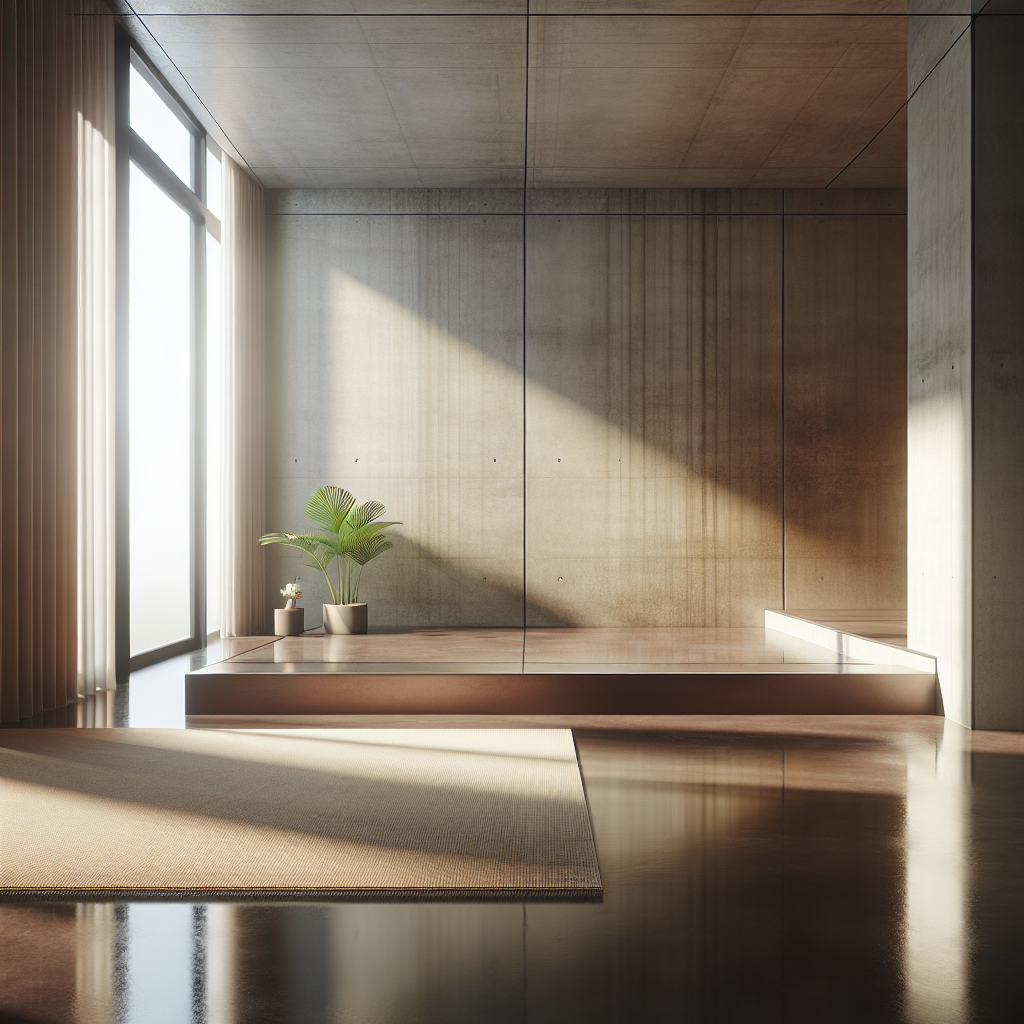
A stained concrete floor can transform a plain slab into a warm, textured surface that lasts for years. With modern stains and sealers, concrete becomes a versatile foundation for many interior styles, from rustic to contemporary.
Understanding the staining processes, finish choices and upkeep will help you choose the right approach for your space. This article covers practical steps, aesthetic options and realistic expectations for colored concrete surfaces.
Why choose stained concrete?
Stained concrete offers a long-lasting alternative to tile, hardwood and carpet. It resists wear, handles moisture well when sealed, and reflects light to make rooms feel larger.
Beyond durability, staining adds depth and character. Natural variations in the slab create unique patterns that are hard to replicate with other flooring materials.
Cost and value
Initial costs vary with stain type, surface preparation and sealer quality. Acid stains often need more labor but yield mottled, variegated looks. Water-based stains can be more predictable and offer a wider color range.
When you compare lifespan and maintenance, stained concrete often delivers strong value. Properly finished floors can last decades with routine care.
Sustainability and health
Concrete is often already present in many buildings, so staining minimizes the need for new materials. Low-VOC sealers and stains reduce indoor air concerns.
Sealed concrete does not trap allergens like carpet can, making it a practical choice for allergy-sensitive homes.
Types of staining and finishes
Staining is not a single process. The main methods each produce distinct looks and performance. Choosing a type depends on color goals, budget and how much pattern variation you want.
Finishes further control sheen, slip resistance and ease of cleaning.
Acid-based stains
Acid stains react chemically with the concrete minerals to produce earthy, variegated tones. Results are often mottled and layered, with rich depth and subtle color shifts.
They are semi-permanent and penetrate the surface, but final color can be influenced by the concrete composition and previous treatments.
Water-based stains
Water-based stains use pigments suspended in a water carrier. They offer a wider palette, brighter hues and more predictable outcomes than acid stains.
These stains sit closer to the surface and pair well with stamping, stencils or overlays to create sharper patterns and consistent tones.
Integral color and dyes
Integral color mixes pigments into new concrete before it cures, making the color uniform through the slab. Dyes, on the other hand, produce vivid tones and can be used in combination with stain techniques.
Integral color is great for outdoor patios and new pours; dyes and stains are preferred for decorative interior work.
Sealers and topcoats
Sealers lock in color and protect the surface from stains, abrasion and moisture. Choices include penetrating sealers, acrylics, polyurethanes and epoxy coatings.
Acrylic provides easy maintenance and a natural look, while polyurethanes offer superior chemical and abrasion resistance. Penetrating sealers preserve a matte finish and are ideal when breathability is needed.
Preparing and applying stain
Preparation is critical. A clean, properly profiled surface ensures even absorption and a lasting finish. Skipping prep often leads to spotty color, peeling sealers or premature wear.
Work in clear weather or a controlled interior environment, and allow new concrete to cure fully before staining.
Surface cleaning and repair
Remove grease, sealers, paint and dirt with degreasers, mechanical grinding or shot blasting. Small cracks should be filled and allowed to cure.
An even profile helps stains penetrate consistently, so concrete grinders or scabblers are commonly used on older slabs.
Applying acid stain
Acid stain is applied with a sprayer or brush, allowed to react, and then neutralized and rinsed. Timing and dilution influence the final tone and intensity.
Multiple applications can build depth, and masking or stenciling can create defined areas of color if desired.
Applying water-based stain
Water-based stains are easier to control. They are sprayed or rolled on, then wiped or left to dry. Colors are more predictable and layering different shades creates subtle nuances.
Because these stains do not rely on chemical reaction, moisture levels and surface contaminants have less impact on outcome.
Finishing touches
After staining and drying, choose a sealer that matches the desired sheen and durability. Test patches help confirm appearance and slip characteristics.
Finish coats may require more than one layer and light sanding between coats for best adhesion and clarity.
Design ideas and color strategies
Stained concrete can mimic natural stone, create faux tile layouts, or present a simple, modern backdrop. Color selection sets the mood and should harmonize with surrounding elements.
Consider how light, furniture, and room size will influence color perception throughout the day.
Layering and effects
Combining stains, dyes and overlays produces intricate looks. For subtle texture, apply a darker base and a lighter glaze on top to highlight high spots.
Reactive acid stains work well when you want organic, one-of-a-kind finishes. Water-based products are stronger choices when precise color matching matters.
Patterns and borders
Use stencils, saw cuts or decorative scoring to create patterns. Borders and inlaid designs frame spaces and give a high-end, crafted appearance.
Contrasting sealers or varied sheen levels can also define zones without changing color.
Matching interiors
Warm brown and amber tones pair with wood and leather, while gray and slate hues fit minimalist or industrial spaces. Neutral tans and soft greens work well with vintage or farmhouse styling.
Always view samples in the actual room under different lighting before deciding.
Maintenance and longevity
Sealed stained concrete is low maintenance compared to many floor types, but it still needs care to look its best. Simple routines extend life and protect color.
Protective mats at entryways and felt pads under furniture reduce wear in high-traffic zones.
Routine cleaning
Sweep or vacuum regularly to remove grit. Damp-mop with a pH-neutral cleaner to avoid dulling the sealer.
Avoid harsh acids or bleach on treated surfaces, and wipe spills promptly to prevent potential etching.
Repair and resealing
Over time, thin or worn areas may need a light sanding and a fresh sealer coat. This refresh restores sheen and protection without changing color if the sealer is colorless.
For deeper damage, spot repair with matching stain and then recoat the area to blend with the rest of the floor.
Longevity expectations
With proper sealer selection and care, stained concrete floors can remain attractive for 10 to 30 years or more in many settings.
High-traffic commercial zones may require tougher topcoats or more frequent maintenance than residential rooms.
Conclusion
Staining concrete is a practical way to add color, character and durability to interior and exterior floors. The right stain type and sealer create a surface that balances beauty with low upkeep.
Careful surface prep, realistic color choices and ongoing maintenance keep finished floors performing well for many years.
Frequently Asked Questions
What is the difference between acid stain and water-based stain?
Acid stain reacts with minerals in the concrete to produce earthy, variegated tones. Results are less predictable but uniquely mottled. Water-based stain uses pigments for clearer, more consistent color and a wider palette.
Choose acid for organic, natural effects and water-based when exact color control and brighter hues are desired.
Can stained concrete be used in kitchens and bathrooms?
Yes. When properly sealed with a durable, water-resistant topcoat, stained concrete performs well in kitchens and bathrooms. Choose a sealer that resists chemicals and moisture.
Slip resistance can be added through textured sealers or surface treatments in wet areas.
How long does stained concrete last?
Longevity depends on sealer type, traffic levels and maintenance. Many installations last over a decade with routine care; high-quality finishes and occasional resealing can extend that to several decades.
Outdoor installations exposed to weather may need different products and more frequent upkeep.
Will staining cover defects or uneven color in my slab?
Staining can mask some imperfections, but it will also highlight surface texture and variations. Severe blemishes, heavy cracking or previous coatings may need repair or removal before staining.
Consult a test area to see how the existing slab will accept stain and to determine if additional preparation is necessary.
Are there eco-friendly staining options?
Yes. Water-based stains and low-VOC sealers reduce environmental impact and indoor emissions. Using the existing concrete slab instead of installing new flooring also lowers material waste.
Choosing breathable sealers helps maintain moisture balance in older structures and can prevent trapping issues that harm indoor air quality.