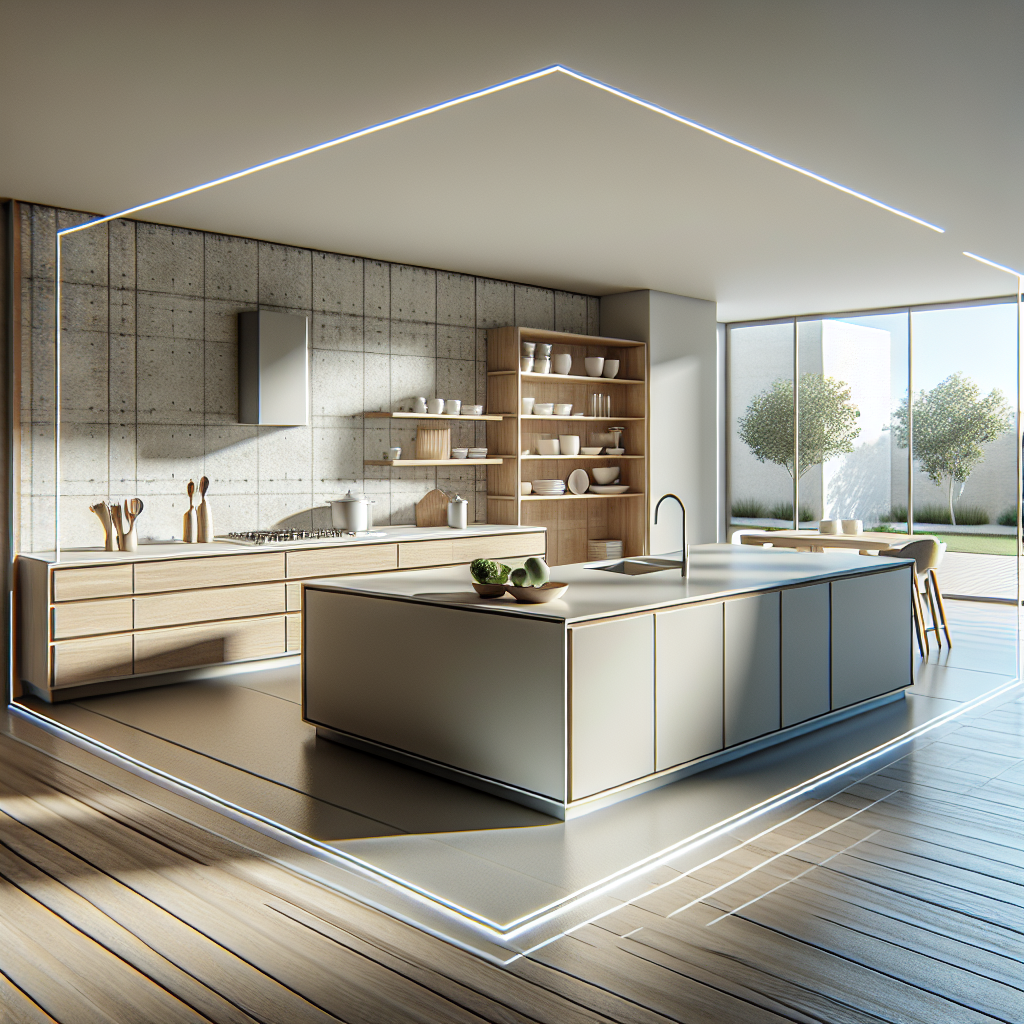
A kitchen island can transform how you use your space. Choosing the right size affects flow, seating, storage and where appliances fit.
This article lays out common dimensions and practical tips so you can plan an island that feels natural and works well with your kitchen layout.
Planning the right size for your space
Start by measuring the available area and noting major walkways. Islands need room to move around and must align with traffic patterns.
Think about what the island will do most often: extra prep area, casual dining, or housing appliances. That purpose guides the best dimensions and features.
Minimum clearances to keep traffic flowing
The most common recommendation is at least 42 inches of clearance on one side if the island faces appliances or counters used frequently. For two cooks or heavy traffic, aim for 48 inches between the island and counters.
If the island backs onto a walkway or passage used often, keep the clearance on that side wider to avoid bottlenecks.
Island width and length basics
A narrow island for simple tasks can be 24 inches deep, while a fuller working island is typically 36 inches deep or more.
Length varies by need: a small kitchen might use an island around 4 feet long, while larger kitchens often place islands 6 to 8 feet long or even longer for seating and appliances.
Common island shapes and typical dimensions
Different shapes suit different functions. Rectangular islands are the most flexible, while L-shaped or peninsula-style islands can add seating and counters without needing as much space.
Each shape has standard ranges that help with planning and visualizing fit in your kitchen.
Linear rectangular islands
These are straightforward and often include a sink or cooktop. Typical depths range from 36–48 inches and lengths from 4–8+ feet.
Leave 42–48 inches of clearance on the working side and 36–48 inches on the seating side, depending on how many people will pass behind seated guests.
Galley-style or skinny islands
When floor space is tight, a galley-style island 24–30 inches deep and 4–6 feet long can provide extra prep area without overwhelming the room.
Keep at least 36–42 inches of clearance on both sides to maintain a comfortable work triangle and walking path.
L-shaped islands and peninsulas
These add counter space and can create distinct zones. Depths mirror standard counters on one arm (24–30 inches) and expand on the other if seating or appliances are included.
Plan clearances around both arms and ensure appliance doors can open fully without hitting the island corners.
Countertop heights and seating dimensions
Height affects comfort. Choosing the correct countertop height ensures prep work is comfortable and seating feels natural.
Different activities and seating types require different heights, so match the island top to its main use.
Standard counter height (36 inches)
The most common height for islands is 36 inches. It suits prep work, most sinks, and standard kitchen tasks.
If you plan to add bar-style seating, you can extend the countertop to create a higher eating area while keeping the prep height intact.
Bar-height and counter seating
Bar-height surfaces are usually 40–42 inches. Pair these with stools around 30 inches high and allow 12–15 inches of knee space between the seat and underside of the counter.
For counter-height seating at 36 inches, use stools around 24–26 inches high and leave similar knee clearance.
Workstation or seated prep areas
For tasks done while seated, like writing or homework, a lower section at 28–30 inches is comfortable. Consider a dual-height island to serve multiple uses without sacrificing ergonomics.
Storage, appliances and functional layouts
Islands often hold drawers, cabinets, dishwashers, microwaves or cooktops. Each element needs planning to avoid clashes and keep workflows smooth.
Think about where plumbing and electrical supply will run, and how doors and appliance openings interact with surrounding clearances.
Appliances in the island
Placing a sink or dishwasher in the island is common but remember to leave space for plumbing and ventilation. Dishwashers need room to open fully without blocking paths.
Cooktops require extra clearance and ventilation. A hood or downdraft unit should meet local code and be considered early in layout planning.
Drawer and cabinet depth
Standard base cabinet depth is about 24 inches. Islands often use full-depth cabinets to maximize storage, but you can recess storage under overhangs where seating is planned.
Include deep drawers for pots and pans, and consider roll-out trays or organizers that make accessing lower storage easier.
Electrical and lighting placement
Outlets on island sides keep small appliances handy. Plan outlets within base cabinets or on the ends, following code for spacing and safety.
Task lighting directly over prep areas and softer ambient lighting over seating areas improves function and mood.
Clearance rules and flow considerations
Good clearance keeps cooking and movement comfortable. Measure with typical doors and drawers open to avoid surprises.
Also consider how the island impacts sight lines and interaction with dining or living areas in open-plan homes.
Walking paths and work triangle
A clear path between sink, refrigerator and range helps efficiency. The island should not interrupt this triangle unless it’s part of the workflow.
For kitchens where two people work together often, widen clearances to reduce collisions and improve comfort.
Seating and social flow
If island seating faces the room, leave at least 36 inches behind chairs so people can walk by without disturbing those seated.
Allow 24 inches of width per seat at the counter to give enough elbow room when people sit side by side.
Special considerations for small kitchens
In tight spaces, smaller islands on casters can provide flexible prep space and be moved when more room is needed.
Alternatives include narrow carts or a slim peninsula that gives function without taking center stage.
Conclusion
Choosing the right island size depends on your kitchen’s layout, primary island functions, and how many people use the space at once.
Focus on clearances, countertop height, storage needs and appliance placement. Thoughtful planning helps an island enhance both daily use and the overall look of the kitchen.
Frequently Asked Questions
Below are short answers to common questions about island sizing, layout and function.
What is a comfortable island depth?
Most working islands are 36 inches deep, giving enough surface for prep and small appliances. Narrow islands can be 24–30 inches deep for compact spaces.
How much seating space does one person need?
Allow about 24 inches of linear counter space per seated person to ensure comfortable elbow room. Wider spacing improves comfort for meals or longer use.
How far should the island be from the stove?
Maintain at least 42 inches from the stove to the island to allow safe movement and workspace when cooking. Increase to 48 inches in busy kitchens.
Can I put a sink and cooktop in the island together?
Yes, but keep them spaced to avoid crowding. Plan plumbing, ventilation and safety clearances carefully and choose appropriate hooding for cooktops.
Is a two-level island a good idea?
Two-level islands separate prep and seating areas and can hide messes from view. They work well when you need both workspace and a raised eating bar.