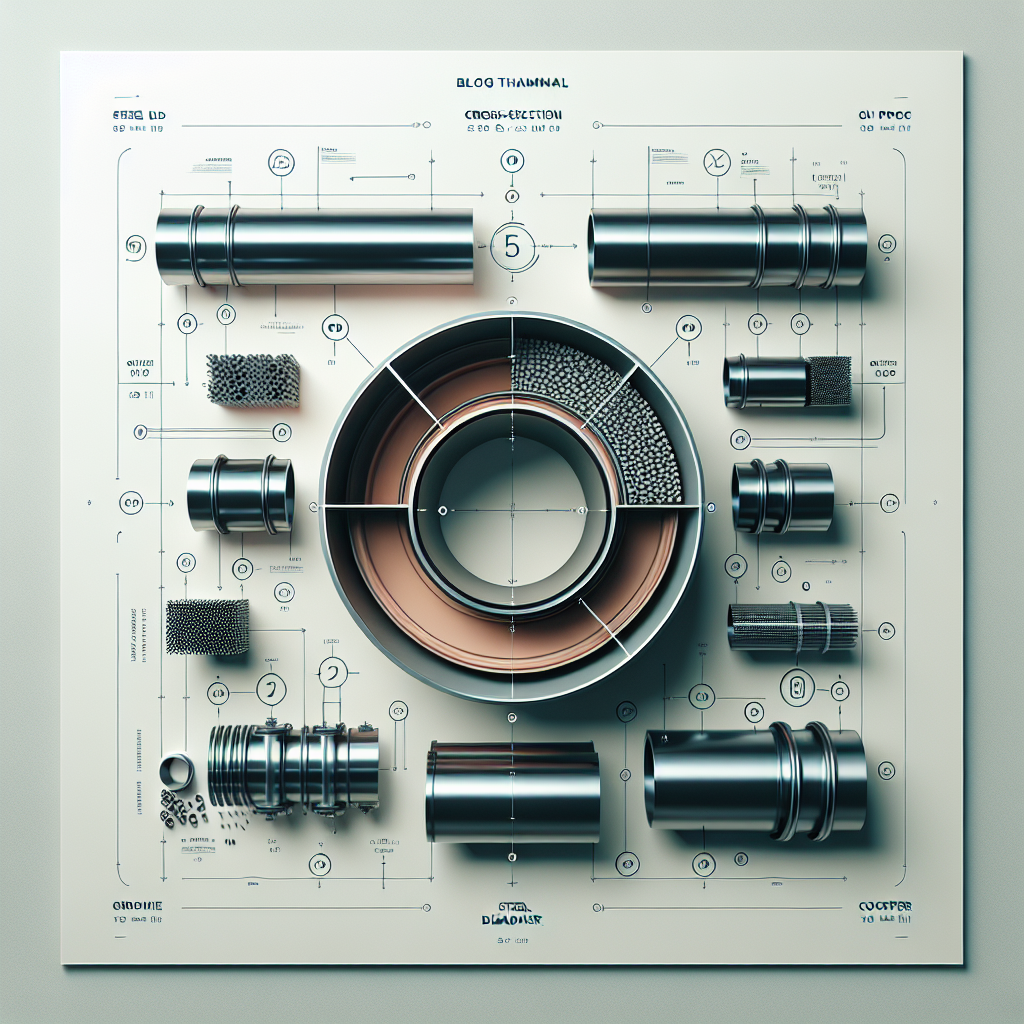
Pipes come in many numbers and labels that can feel confusing at first. Knowing how diameters, wall thickness and schedules relate helps when reading specs, buying materials, or planning a system.
This article breaks down common terms, explains how to compare sizes, and shows practical ways to select a pipe size based on flow, pressure and strength.
How nominal size relates to real dimensions
The label on a pipe rarely equals any single physical measure. Nominal size is a tag that groups pipes by an approximate inside size or a historical number rather than a precise measurement.
Understanding which value is being used — outside diameter, inside diameter, or nominal pipe size — prevents ordering mistakes and ensures fittings match.
Nominal versus actual diameter
Nominal Pipe Size (NPS) is a convenient label. For smaller lines, NPS indicates a nominal inside diameter that loosely aligns with actual pipe ID. As diameter increases, the relationship changes.
Outside diameter (OD) is consistent for a given NPS regardless of wall thickness. Inside diameter (ID) varies with wall thickness — so a thicker-walled pipe has a smaller ID and different flow capacity even if its OD and NPS match another pipe.
Metric DN and imperial NPS comparison
Many projects mix metric and imperial standards. DN (diamètre nominal) numbers are round metric labels roughly matching NPS categories.
When converting, check OD and wall thickness rather than relying on DN = NPS. A DN label gives a quick ballpark, but exact mating of fittings needs measured diameters.
Wall thickness and schedule numbers explained
Wall thickness controls strength, allowable pressure and flow area. The industry uses schedule numbers to standardize thickness across many sizes.
Schedule values are shorthand that pair with NPS to define wall thickness. Knowing the common schedules helps you read a part number and understand its properties.
What schedule numbers mean
Schedules such as 10, 40, 80, 160 reflect wall thickness series. Higher schedule equals thicker wall for the same NPS, meaning higher pressure capacity and lower ID.
Schedule 40 is a common general-purpose thickness. Schedule 80 is much thicker and used where pressure, external forces, or long unsupported spans demand extra strength.
Common thickness examples and practical notes
For a 2-inch labeled pipe, OD is fixed but wall thickness varies by schedule. Typical examples:
- Schedule 40: moderate wall thickness, common in water distribution and structural uses.
- Schedule 80: thicker wall, chosen when pressure or mechanical loading is higher.
- Double extra thick or custom: available for very high pressure or special alloys.
Instead of memorizing every value, keep a reference list of OD and ID values for frequently used NPS and schedules. This avoids confusion when mixing materials or suppliers.
Sizing based on flow, pressure drop and velocity
Choosing a size isn’t only about matching fittings. Fluid dynamics matters: velocity, Reynolds number and pressure drop drive long-term efficiency and noise levels.
Calculations let you balance initial cost against operating cost and performance.
Flow rate and recommended velocities
Select an internal diameter that keeps fluid velocity in a sensible range. For many liquids, a moderate velocity prevents erosion and reduces noise while keeping pipe size reasonable.
Common practical velocity targets:
- Domestic water: 0.6–1.5 m/s (2–5 ft/s).
- Fire protection: higher velocities are acceptable but check standards.
- Slurries or abrasive fluids: lower velocities to limit wear.
Pressure drop and friction considerations
Smaller ID increases friction loss per meter, which may require more pumping power. Longer runs and higher desired flow magnify this effect.
Use the Darcy-Weisbach or Hazen-Williams equations with pipe roughness and ID to estimate head loss. If pressure drop matters, a larger pipe often reduces lifecycle cost despite higher material price.
Material effects and common standards
Pipe material influences allowable pressure, temperature limits, corrosion resistance and joint types. Steel, copper, PVC and HDPE each follow different dimension tables and fittings systems.
Referencing the right standard ensures compatibility: ASME/ANSI tables for steel, ASTM and ISO numbers for certain materials, and manufacturers’ specs for plastics.
Steel and iron
Steel pipe usually follows NPS and schedule tables. Seamless and welded pipes share OD values; the difference shows up in wall thickness tolerances and strength.
Cast iron and ductile iron use different nominal systems with DN labels and may require transition fittings when connecting to steel.
Plastic pipes
Plastics often use SDR (Standard Dimension Ratio) instead of schedules. SDR = OD / wall thickness; a lower SDR means a thicker wall and higher pressure rating.
For example, SDR 11 has a thicker wall than SDR 17 for the same OD. Match SDR or pressure class when replacing or extending a plastic system.
Common sizes and typical uses
Some sizes appear frequently in construction and maintenance work. Recognizing them helps when estimating material needs or reading blueprints.
Less common sizes exist too, but a handful covers most everyday applications.
Residential and commercial
- 1/2-inch to 1-inch: domestic water supply lines, fixtures.
- 1-1/4 to 2 inches: risers, small distribution mains.
- 3 to 6 inches: larger domestic mains and some commercial HVAC supply lines.
Industrial and process systems
- 2 to 12 inches: common industrial piping for process fluids, steam and glycol loops.
- 12 inches and above: large mains, intake and outfall piping, often using welded or flanged systems.
Beyond size, material and schedule choices shift based on pressure, temperature and chemical exposure.
Practical tips to avoid common mistakes
Many issues stem from mismatching nominal labels, OD, ID and schedule. Small oversights can lead to unusable fittings or unexpected pressure losses.
Simple checks during specification, purchase and installation reduce delays and rework.
Always verify OD and ID
When ordering or fabricating, confirm the OD and wall thickness rather than relying on a single label. Suppliers sometimes use different conventions across product lines.
For retrofits, measure the existing pipe’s OD and wall to find a true replacement rather than assuming the stamped size is exact.
Match joining methods and ratings
Fittings must match both the diameter and the pressure class. Flanges, threaded joints and solvent-weld or fusion joints have specific mating requirements.
Threaded fittings rely on nominal thread forms and are limited in size and pressure compared to welded or flanged connections.
Conclusion
Reading pipe specifications becomes straightforward once OD, ID, wall thickness and schedule are clear. Focus on the physical measures, not only labels, and consider flow and pressure impacts when selecting size.
Using lists of common OD/ID pairs, familiarizing yourself with schedule and SDR systems, and checking manufacturer specs will prevent costly mismatches.
Frequently Asked Questions
What does nominal pipe size actually represent?
It is a label used to categorize pipes rather than a direct measure of OD or ID. It gives a rough idea of diameter, but the exact inside and outside dimensions depend on wall thickness and schedule.
How do schedules affect internal diameter?
Higher schedule numbers mean thicker walls for the same nominal size, which reduces the internal diameter and therefore lowers flow capacity for a given OD.
Can I replace a pipe by matching nominal size only?
Not safely. Always match the OD, wall thickness or schedule and the pressure rating to ensure compatibility with fittings and the system’s operating conditions.
Are metric DN numbers interchangeable with NPS?
DN gives an approximate metric label and may not match NPS exactly. Check OD and wall thickness values to ensure a correct fit between metric and imperial components.
When should I choose thicker walls or a higher schedule?
Choose thicker walls for higher operating pressures, mechanical loads, or when greater corrosion allowance is needed. Also consider future demands and safety margins when specifying a thicker schedule.