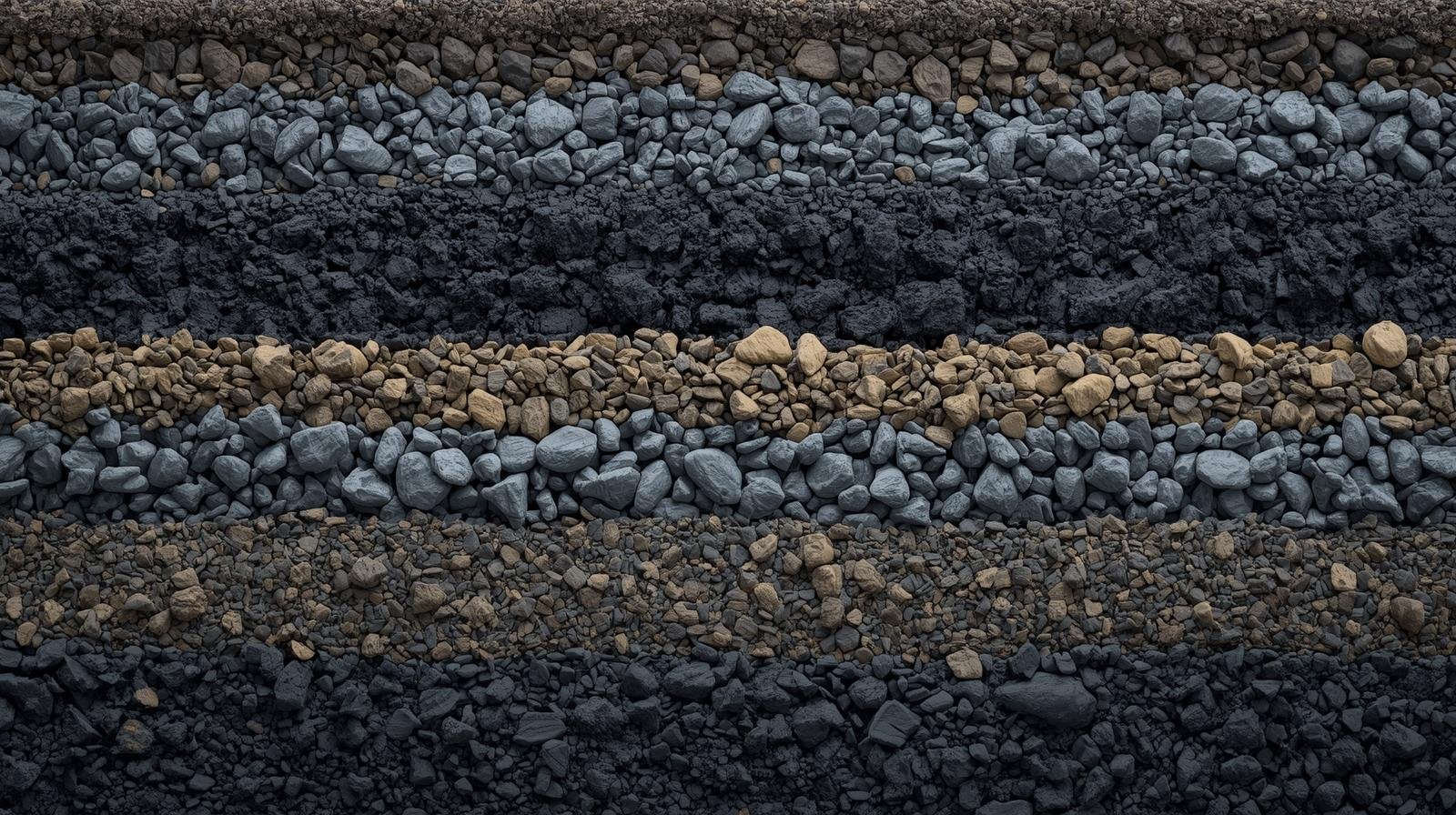
The GSB grade 1 material specification MoRTH 2026 brings clarity to Granular Sub-Base (GSB) use in road construction. In this article I explain what the specification means, why it matters, and how engineers and contractors can apply it on site. The tone is simple and practical so you can use the guidance right away.
What is GSB Grade 1 under MoRTH 2026?
GSB Grade 1 is a defined layer of granular material used under base and pavement layers to provide drainage and uniform support. The MoRTH 2026 update refines limits for particle size, quality, and testing methods. The goal is better durability and less maintenance for roads.
Key points of the specification
- Controls on particle size distribution (gradation) for stability and compaction.
- Limits on plasticity and harmful materials to avoid weakening.
- Requirements for maximum dry density and field compaction.
- Specific test methods and sampling frequency for quality control.
Material Properties and Tests
Knowing the core properties simplifies compliance. Below are the main checks you will see in MoRTH 2026 for GSB grade 1.
- Gradation: Ensures proper mix of coarse and fine particles.
- Plasticity Index (PI): Low PI is required to reduce expansion or softening.
- Maximum Dry Density (MDD) and Optimum Moisture Content (OMC): For compaction control.
- Los Angeles Abrasion / Aggregate Impact: Indicates toughness and resistance to breakdown.
- CBR (California Bearing Ratio): For load-bearing and subgrade interaction in some cases.
Table: Typical MoRTH 2026 focus areas for GSB Grade 1
- Gradation limits: specified sieve percentages
- PI: usually low/simple non-plastic requirement
- Compaction: 98% of MDD or as specified
- Testing frequency: increased for critical projects
Site Preparation and Compaction
Proper placement is as important as material quality. MoRTH 2026 stresses simple, repeatable practices.
- Subgrade must be stable and scarified where needed.
- Place GSB in thin layers (usually 150–300 mm) for even compaction.
- Use appropriate rollers (sheepfoot for cohesion, vibro for granular).
- Test MDD/OMC and compact to the required percentage.
- Avoid placing wet material; allow drying to lift compaction.
Practical Tips for Contractors
Small practical steps help meet MoRTH 2026 expectations without hassle.
- Keep a record of sieve analyses and daily compaction test results.
- Source mixes from reliable quarries and request certificates.
- Use calibrated field testing devices and trained technicians.
- Plan for drainage; a good GSB loses less strength when dry.
- Communicate with designers if materials deviate slightly — many issues can be resolved with approved adjustments.
Benefits of Following MoRTH 2026
Following the GSB grade 1 material specification MoRTH 2026 improves road life and lowers long-term costs.
- Better load distribution and reduced pavement deformation.
- Fewer potholes and less frequent overlays.
- Predictable construction timelines due to clear quality steps.
- Easier approvals and audits with documented testing.
FAQs
What is the main change in MoRTH 2026 for GSB?
MoRTH 2026 tightens gradation and testing clarity and emphasizes consistent field compaction and sampling frequency.
Can recycled or crusher-run material be used as GSB Grade 1?
Yes, if the material meets gradation, durability, and contamination limits specified in MoRTH 2026. Laboratory certification is required.
How often should compaction tests be done on site?
Frequency depends on project size and risk, but MoRTH 2026 recommends regular sampling — often daily or per defined layer — and more frequent tests on critical stretches.
What roller type works best for GSB grade 1?
Use roller types suited to the mix: vibratory smooth-drum for free-draining granular, sheepfoot for mixes with some fines needing kneading action.
Conclusion
The GSB grade 1 material specification MoRTH 2026 gives clear, practical rules that improve pavement performance. Focus on proper gradation, simple testing, and disciplined compaction to get the most value from the GSB layer. Start by reviewing your material certificates and site test plans today.
Call to action: If you’re planning a project, download the MoRTH 2026 excerpt for GSB details and set up a short quality checklist to use on site. Need a template? I can help create one tailored to your project.