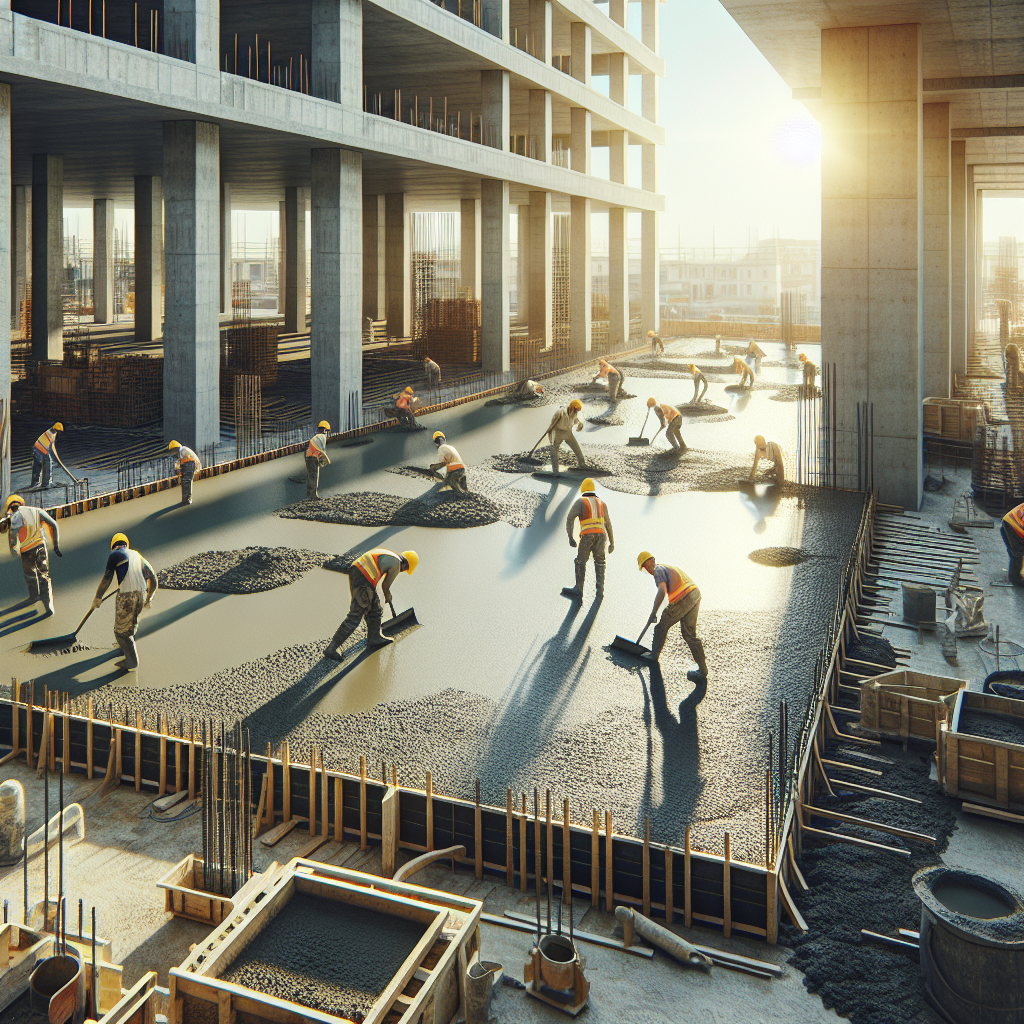
Pouring a concrete slab can be one of the most cost-effective ways to create a sturdy floor, patio, or foundation. Knowing what drives the price helps you plan a budget that matches your goals.
This article explains typical costs, key factors that change the price, and practical ways to estimate expenses for different slab sizes and types.
Typical cost breakdown
Most slab projects share the same basic cost components: materials, labor, site preparation, and finishing. Prices vary by region, season, and the specific work needed on your site.
Below is a simple list showing where money usually goes on a slab job and what each item covers.
- Materials: concrete mix, rebar or wire mesh, gravel base, vapor barrier, and form boards.
- Labor: excavation, forming, pouring, finishing, and cleanup.
- Site prep: grading, removal of soil or vegetation, and compacting the base.
- Finishing and curing: smoothing, broom finish, joints, and curing compounds.
- Extras: permits, delivery fees, reinforcement upgrades, and drainage work.
Average price ranges
Expect wide ranges depending on slab thickness, reinforcement, and local rates. A basic 4-inch residential slab typically costs less than thicker structural slabs.
- Basic 4-inch slab (residential patio or walkway): $4 to $8 per sq ft.
- Standard 4-inch garage or shed slab with basic reinforcement: $6 to $12 per sq ft.
- Heavier-duty or thicker slabs (6–8 inches) with significant reinforcement: $10 to $20+ per sq ft.
Factors that affect slab pricing
Several site-specific and design choices can push costs up or down. Understanding these helps you prioritize spending where it matters most.
Here are the main areas that can change the final bill.
Site conditions
Tilted ground, rock, poor soil, or trees raise the complexity. Extra excavation, hauling, and soil stabilization all add cost.
- Soft soils may require thicker base or geotextile fabric.
- Rocky sites need breaking or special excavation equipment.
- Limited access can increase labor time and delivery fees.
Slab thickness and reinforcement
Thicker slabs and stronger reinforcement improve durability but raise material and labor costs. The intended use determines necessary specs.
- Light-use slabs (walkways, patios): 3.5–4 inches with wire mesh.
- Garages and medium loads: 4–6 inches with rebar or thicker mesh.
- Heavy equipment or structural slabs: 6–12 inches, tied rebar, and possibly post-tensioning.
Finishes and edges
Smooth trowel finishes, stamped patterns, colored concrete, and special edge forms take extra time and skill, increasing labor costs.
- Broom finish and simple control joints add little cost.
- Decorative stamped or colored finishes add 25–100% depending on complexity.
- Curved or ornate edges require more formwork and labor.
Estimating quantities and costs
To estimate costs, first calculate volume and area. This gives you material needs and a baseline for labor time.
Follow a straightforward process to get a realistic number you can compare with contractor quotes.
How to calculate concrete volume
Measure the length, width, and thickness of the slab. Volume in cubic yards = (length ft × width ft × thickness in ÷ 12) ÷ 27.
Always add 5–10% waste to the calculated volume for reliable ordering.
Material and labor estimates
Once you have volume, multiply by local concrete price per cubic yard and add costs for reinforcement and base material.
- Concrete: local cost per cubic yard varies; include delivery fee for small pours.
- Reinforcement: wire mesh cheaper than rebar but less strong; cost per sq ft is useful here.
- Base material: crushed stone or gravel typically charged per ton or cubic yard.
- Labor: ask for line items covering excavation, forming, pouring, finishing, and cleanup.
Ways to control costs without sacrificing quality
Smart planning can trim expenses while keeping a durable slab. Small choices often have outsized effects on price.
Consider these cost-saving moves that still protect long-term performance.
Keep design simple
Straight edges and square corners save on formwork and finishing time. Minimize curves and decorative work if budget is tight.
Prep the site yourself
If safe and allowed, removing grass, debris, and light topsoil can cut labor hours. Heavy excavation is best left to professionals.
Choose appropriate reinforcement
Match reinforcement to expected loads. Upgrading where necessary is wise, but over-specifying increases cost unnecessarily.
- Wire mesh suits light uses.
- Rebar is better for driveways and structural slabs.
Typical hidden costs and common extras
Quotes sometimes exclude items you’ll need. Review estimates carefully so nothing surprises you when the bill arrives.
Here are extras often missed in initial quotes.
Drainage and grading
Adding proper slope, drains, or retaining walls can be costly but prevents water problems that damage slabs later.
Permits and inspections
Permit fees vary by town. Some localities require engineered drawings and inspections that add to time and cost.
Post-pour treatments
Curing compounds, sealers, and joint sealants increase longevity but are sometimes optional in initial bids.
- Sealers reduce staining and improve durability.
- Curing time affects when you can load the slab; rushing can harm performance.
Conclusion
Knowing cost drivers helps you plan a slab project that fits both need and budget. Start with clear measurements and ask for itemized quotes to compare apples to apples.
Focus on the right level of reinforcement and site prep, and be aware of extras like drainage and permits. That approach keeps surprises low and gives a slab that lasts.
Frequently Asked Questions
How much does a basic 10×10 slab cost?
A simple 10×10 ft slab at 4 inches thick typically costs in the low hundreds to a couple thousand dollars, depending on your area and local rates.
Do I need reinforcement in a small slab?
Light-use small slabs can use wire mesh, but any slab supporting vehicles or heavy loads needs rebar or heavier reinforcement.
How long does a slab need to cure before use?
Concrete gains strength over weeks. Most slabs reach usable strength in 7 days, but full curing and maximum strength occur around 28 days. Avoid heavy loads until recommended cure time.
What causes cracking and how to reduce it?
Cracking comes from shrinkage, ground movement, and overload. Proper mix, joint placement, reinforcement, and curing reduce cracking risk.
Is it cheaper to pour slab in summer or winter?
Season affects demand and curing. Summer pours can be faster but may require extra curing care; winter pours may need heating or additives, which increase cost. Local conditions determine the best timing.