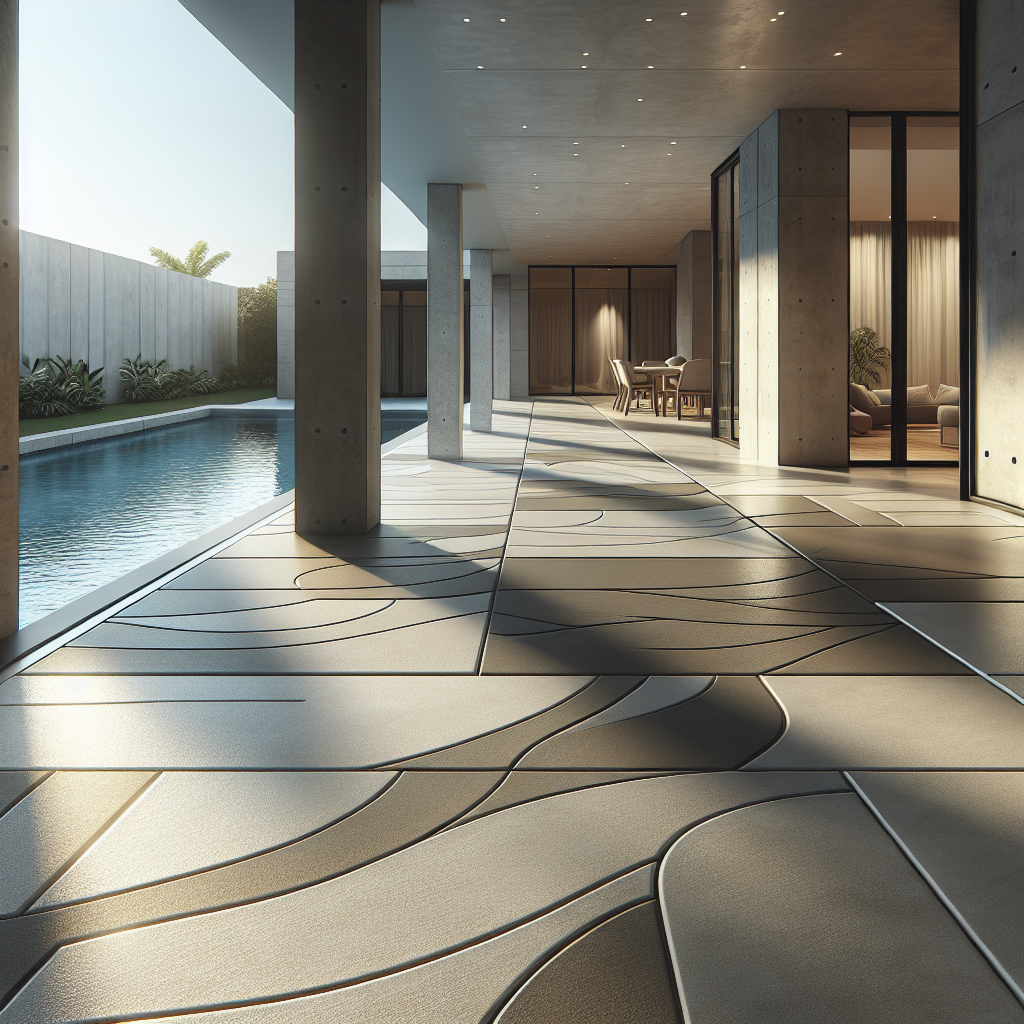
Concrete overlays are a smart way to refresh old floors, patios, and driveways without full replacement. They can repair surface damage, hide stains, and create new textures and colors with thin layers of cement-based material.
This article explains common overlay types, materials, preparation steps, finishing options, and maintenance ideas so you can decide which approach suits a particular project and budget.
What a concrete overlay does and when it helps
An overlay is a thin layer applied over existing concrete to improve appearance or function. That layer can range from less than 1/8 inch to a few millimeters for microtoppings, up to 1/2 inch or more for repair mixes.
Overlays are ideal when the base slab is sound structurally but shows surface wear, hairline cracks, chips, or outdated finishes. They are not a fix for major slab movement or deep structural damage.
Types of overlay applications
Thin resurfacing mixes are typically cement-based and can be textured or smoothed. Polymer-modified mixes add flexibility and adhesion. Decorative overlays often include pigments, stamping, or polishing to create varied looks.
When not to use an overlay
If the slab has large cracks that move, sinkage, or failed reinforcement, a full replacement or structural repair is usually necessary. Overlays can fail if the substrate is unstable or moisture issues are active.
Common overlay materials and what they offer
Choosing the right material affects durability, appearance, and ease of application. The main families are cementitious microtoppings, polymer-modified overlays, and epoxy or urethane toppings.
Each material group has trade-offs in cost, thickness, and surface preparation needs. Match the material to the function — heavy-use floors need tougher toppings than a decorative patio.
Cementitious microtoppings
These mixes are thin, breathable, and easy to texture. They work well when you want a cement look or a base for stains and pigments. They bond well when the surface is properly prepared.
Polymer-modified overlays
Polymers improve flexibility and adhesion, reducing the risk of delamination. They suit areas with temperature swings and light movement. They can be colored and textured too.
Epoxy and urethane toppings
Epoxy systems create a hard, seamless surface that’s chemical resistant and easy to clean. Urethanes add UV stability and abrasion resistance. These are common in garages, workshops, and commercial spaces.
Surface preparation: the step that controls success
Preparation is the single most important factor. Proper cleaning and profiling create a reliable bond between overlay and substrate.
Skimming a new layer over a dirty or weak surface leads to peeling, bubbling, or flaking. Invest time in prep and the overlay will last much longer.
Cleaning and repairing
Remove oil, paint, mold, dirt, and loose material. Use detergents, degreasers, pressure washing, and mechanical scrubbing as needed. Small cracks and spalls should be routed and patched with suitable repair mortar.
Profiling the surface
Mechanical methods such as shot blasting, diamond grinding, or scarifying create the roughness overlays need to adhere. Acid etching is sometimes used but gives less consistent results.
Moisture and bonding tests
Check for rising moisture and perform a bond test. Moisture can cause blisters in some overlay systems, and high moisture levels may require vapor barriers or different topping choices.
Application steps and common techniques
While details vary by product, overlay installation follows a predictable flow: prep, prime or bonding coat, mixing, application, finishing, and curing. Attention to each step reduces failures.
Work in small sections and follow manufacturer mixing ratios and pot life. Environmental conditions like temperature and humidity affect workability and curing time.
Primers and bonding coats
Many overlays require a primer or bond coat to ensure adhesion. These are usually polymer-based and applied thinly. They also reduce air bubbles and help the overlay cure evenly.
Thin-trowel vs. float application
Thin-trowel techniques produce smooth, modern surfaces suitable for polishing or stains. Float-applied textures create non-slip finishes and can emulate exposed aggregate or broomed looks.
Stamping, staining, and finishing touches
Overlays can be pigmented, stamped, or textured before they cure. Acid stains and water-based dyes change color without adding layers. For a glossy look, polishing or sealers are used once the overlay is fully cured.
Decorative options and design ideas
Decorative overlays can transform a dull slab into a focal point. Color, texture, and pattern choices are almost endless, from subtle matte finishes to vibrant faux-stone looks.
Plan the aesthetic to match the space — seamless neutral floors for modern interiors, or colored, stamped patterns for patios and walkways.
Color systems and pigments
Integral pigments mix into the overlay for consistent color. Tinted topcoats or stains can add depth and variegation. UV-resistant pigments prevent fading in outdoor locations.
Textures and patterns
Stenciling and stamping can mimic tile, brick, or natural stone. Light broom finishes add grip to exterior slabs. Microtoppings allow subtle trowel marks or polished concrete looks.
Combining overlays with other elements
Use borders, inlays, or different textures to define zones. Contrasting bands or embedded aggregates create interest without heavy maintenance.
Maintenance, durability, and lifespan expectations
Properly installed overlays can last many years, but lifespan depends on traffic, climate, and maintenance. Indoor polished toppings often last longest, while exterior overlays face UV and freeze-thaw cycles.
Routine cleaning and occasional resealing extend life. Address small cracks or edge failures early to prevent larger delamination issues.
Cleaning and resealing
Use mild cleaners and avoid harsh acids unless the product calls for it. Sealers guard against stains and make cleaning easier; some need reapplication every few years.
Repairing wear and damage
Small chips and scratches can be patched with matching overlay mixes. For larger failures, a partial grind and recoat may restore the surface without full replacement.
Cost factors and decision tips
Costs vary widely based on material, thickness, preparation needs, and complexity of the finish. Thin microtoppings are generally less costly than thick repair overlays or specialty epoxy systems.
Get multiple estimates and compare materials and warranties. Consider long-term maintenance and expected lifespan rather than just upfront price.
Budget planning
Include preparation costs like grinding or shot blasting in your budget. Decorative stamping, custom pigments, and polishing add labor and material costs.
Choosing the right solution
Match the overlay to the use case: heavy traffic or chemical exposure calls for epoxy or urethane, while patios and walkways often do well with polymer-modified cement overlays.
Conclusion
Concrete overlays offer a flexible way to repair and refresh surfaces without full replacement. With the right material, careful prep, and thoughtful design choices, an overlay can deliver durable, attractive results.
Evaluate the substrate condition, pick materials suited to the environment, and plan finish and maintenance to match expected use. That approach sets realistic expectations and improves long-term performance.
Frequently Asked Questions
Below are answers to common questions about overlays, materials, and care to help clarify typical concerns when considering a resurfacing option.
What thickness is typical for a resurfacing overlay?
Thickness ranges from featherweight microtoppings under 1/8 inch to heavier repair overlays up to 1/2 inch or slightly more. Choose thickness based on the amount of leveling and durability needed.
Can overlays be applied over stained or painted concrete?
Paint and some stains must be removed or profiled because they can prevent bonding. Test adhesion and prepare the surface by grinding or shot blasting if necessary.
How soon can an overlay be used after installation?
Curing times vary by product. Many cementitious overlays are walkable in 24 to 48 hours, but full strength may take several days to weeks. Epoxy systems often cure faster but follow product directions closely.
Will a decorative overlay hide large cracks?
Small, stable cracks can be bridged with flexible overlays or joint treatments. Large or active cracks need proper repair or structural fixes before applying an overlay.
Are outdoor overlays resistant to freeze-thaw cycles?
Some polymer-modified overlays are formulated for freeze-thaw durability, but choice of product and proper installation are critical. Ensure proper drainage and use breathable systems when moisture is a concern.