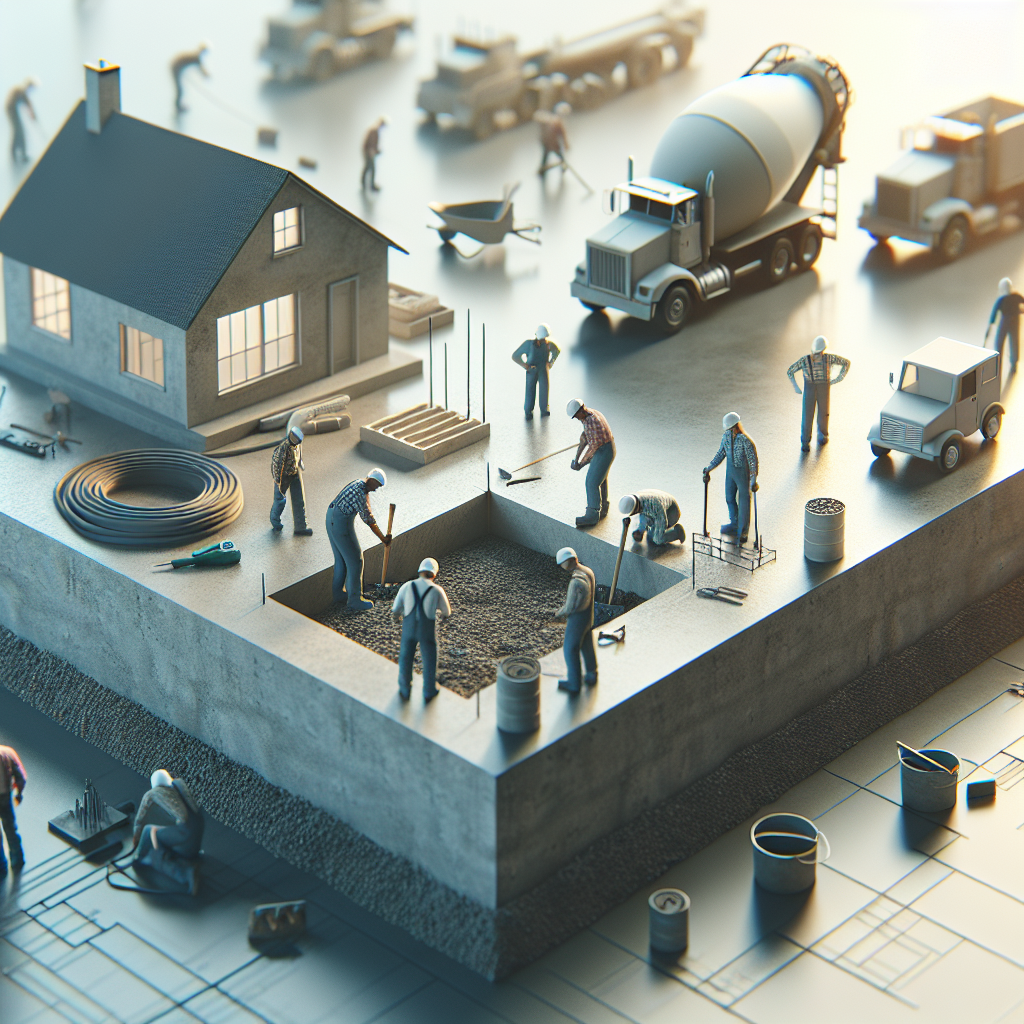
A cracked or sinking foundation is stressful, but many problems can be fixed before they get worse. Understanding the common signs and repair options helps homeowners make clear, practical choices.
This article explains how concrete foundation repair works, the main methods used, typical costs and risks, and what to expect during a repair project.
How to spot early foundation problems
Not every crack needs emergency attention, but patterns and associated issues can show when a repair is needed. Early detection saves money and prevents structural loss.
Look for changes over time rather than one-off hairline cracks. Take photos and note growth or new symptoms so repair decisions are based on trends.
Visible cracks and their meaning
Vertical hairline cracks are common as concrete shrinks and cures. Wider, horizontal, or zigzag cracks usually mean more serious movement.
Cracks wider than 1/4 inch, or those that appear quickly, can indicate settling or soil pressure that needs attention.
Doors, windows and interior signs
Doors that stick, gaps at window frames, or sloping floors are signs the foundation may be shifting. Interior cracks in drywall often accompany these issues.
Basement water stains, dampness, or persistent moisture around foundation walls can accelerate damage and should be evaluated with structural signs.
What typically causes foundation damage
Foundations move for many reasons. Knowing the root cause helps match the right repair to the problem and prevents repeat issues.
Common causes include soil changes, poor drainage, construction errors, and nearby vegetation. Each cause affects both choice and timing of repairs.
Shrinking or swelling soils
Clay soils expand when wet and shrink when dry. Seasonal swings can lift or pull on a concrete slab, causing cracks and settlement.
Areas with expansive soils often need solutions that reduce moisture variation around the foundation.
Poor drainage and water buildup
Water pooling next to a foundation can weaken soil bearing capacity and increase hydrostatic pressure on walls, creating cracks or bowing.
Fixing grading, gutters, and downspouts is often the first step before structural repairs are attempted.
Poor original construction
Thin slabs, lack of proper reinforcement, or incomplete compaction of fill can cause early failure. These issues may require more extensive structural techniques to stabilize.
Older homes sometimes show long-term settlement from these initial weaknesses.
Repair methods explained
There are several well-established ways to repair a damaged foundation. Each method targets different problems and has trade-offs in cost and disruption.
Choosing among options depends on the type of crack, the cause, and whether the goal is stabilization, waterproofing, or both.
Epoxy injection for structural cracks
Epoxy injection fills and bonds cracks in cured concrete. It restores tensile strength when cracks are clean, dry, and stable.
This method is often used for interior slab-to-wall cracks and can be very effective when the crack is not expected to move further.
Polyurethane foam injection
Polyurethane is a flexible foam that expands to fill voids and seals against water. It works well for active leaks and areas where some movement continues.
The foam is useful under slabs to stop seepage and to fill voids without raising the slab excessively.
Slabjacking (mudjacking) and grout raising
Slabjacking pumps a cementitious slurry beneath a sunken slab to lift it back to level. It is cost-effective for small, localized settlement.
It restores level floors and reduces trip hazards but may not fix underlying soil issues; combining with drainage fixes is common.
Pier systems and underpinning
Underpinning uses piers (steel, concrete, or screw piles) to transfer the load to deeper, stable soil. This is the standard fix for serious settlement.
Piering can stabilize the foundation permanently but is more invasive and costly than surface techniques.
Wall anchors and tiebacks
For bowed or leaning basement walls, anchors provide external resistance by tying the wall to stable soil away from the house.
Anchors reduce inward movement and are sometimes paired with interior reinforcement or wall bracing to restore alignment.
Drainage repairs and waterproofing
Fixing grading, improving gutters, and adding French drains addresses the water that often drives foundation problems.
Exterior waterproofing membranes and interior drain systems keep water away from the foundation and reduce pressure on walls and slabs.
Choosing the right solution
Matching repair to cause and condition reduces the chance of recurring damage. A clear diagnosis leads to better outcomes and costs that reflect the true problem.
Consider short-term fixes to stop leaks and longer-term structural work where settling or soil failure is present.
Evaluating severity and priorities
Minor cracks and cosmetic issues rank low in urgency. Active movement, large settlements, or water intrusion should be prioritized.
Start with methods that stop water and limit movement, then move to load-bearing fixes if settlement continues.
Cost factors to expect
Costs vary by method, access, soil, and local rates. Simple epoxy injections or polyurethane sealing are often the least expensive options.
Pier systems, excavation for exterior waterproofing, and large underpinning jobs are the most costly due to labor and materials.
What to expect during a repair
Preparation, access, and disruption differ by method. Knowing what to expect makes scheduling and budgeting easier.
Small interior repairs may be completed in a day, while full exterior waterproofing or piering can take several days to weeks.
Site preparation and safety
Work may require furniture removal, temporary flooring protection, and keeping wet areas ventilated. Heavy equipment or small excavations can limit access.
Professionals typically inspect soil and structural elements before major work to avoid surprises during repair.
Timeline and inspections
Expect initial inspection and a proposed repair plan. Many firms offer a written scope showing methods and expected schedule.
Follow-up inspections help confirm repairs hold and determine if additional work is needed.
Costs, warranties and common risks
Understanding warranties and risks avoids unexpected bills later. Different methods offer different guarantees and long-term expectations.
Some contractors offer lifetime warranties on certain pier systems, while sealants may have limited-term guarantees against leakage.
Common risks to consider
Poor diagnosis can lead to patch fixes that don’t stop movement. Also, lifting a slab without addressing soil may reveal new cracks in attached elements.
Always ask for references, written estimates, and details on what the warranty covers and for how long.
Budget planning
Get multiple estimates and compare not just price but methods, materials, and projected life of the repair. Cheaper fixes can cost more if they must be redone.
Consider the long-term value of stabilizing soil and improving drainage to prevent repeated repairs.
Conclusion
Concrete foundation repair covers a range of techniques, from simple crack injections to deep piering systems. The right choice depends on the cause, severity, and site conditions.
Addressing water problems and soil conditions before or alongside structural fixes improves results and reduces repeat work.
Frequently Asked Questions
How can I tell if a crack is serious?
Serious cracks are wide (over 1/4 inch), grow quickly, run horizontally, or are paired with doors and windows that no longer fit. Water seeping through a crack also raises concern.
Will epoxy stop water leaks?
Epoxy bonds concrete and is good for structural cracks, but it doesn’t always stop active water infiltration. Polyurethane injections are better for sealing active leaks.
Can a sunken slab be raised safely?
Yes, slabjacking or piering can lift a slab. Slabjacking works for localized settlement; piering suits larger or ongoing soil failure.
How long do foundation repairs last?
Longevity depends on method and cause. Properly installed piers and drainage fixes can last decades. Sealants and injections may need monitoring and occasional rework.
Is DIY foundation repair a good idea?
Small cosmetic crack sealing can be done by a homeowner, but structural issues, active leaks, and settlement usually require professional assessment and specialized equipment.