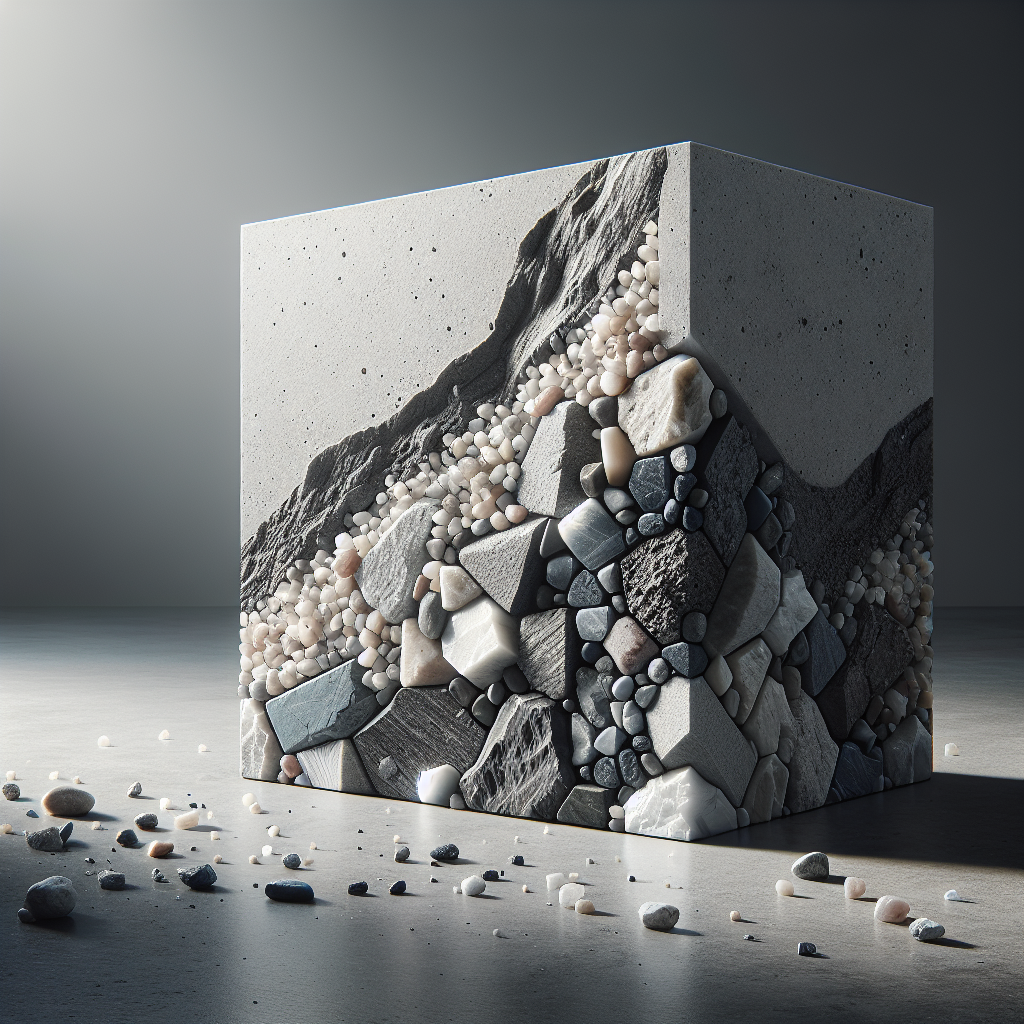
Exposed aggregate surfaces combine texture and color to give sidewalks, patios, and driveways a striking, long-lasting look. The top layer of cement is removed to reveal stone or gravel, producing a non-slip, decorative finish that holds up to weather and traffic.
This article breaks down the materials, common exposure methods, finishing choices, maintenance tips, and typical problems you might encounter. Read on to understand how different steps affect appearance and durability.
How the finish is created and why it lasts
The exposed effect comes from selectively removing cement paste from the concrete surface to show the aggregate below. That aggregate can be natural pebbles, colored stones, or crushed rock.
Because the aggregate sits within the concrete matrix, the finish resists chipping and abrasion better than surface-applied textures. Properly placed and cured concrete with the right exposure yields both beauty and longevity.
Typical uses and benefits
Common locations include walkways, pool decks, plazas, and commercial entrances. The texture reduces slip risk and the variety of aggregate options allows many aesthetic choices.
Other benefits include low glare, good drainage when slightly textured, and lower need for frequent cosmetic repairs versus some overlays.
Limitations to consider
Aggregates can be rougher under bare feet, so smoother stones are preferred around pools. Initial installation is more labor-sensitive than plain broom finish concrete, and uneven exposure can show color variance.
Freeze-thaw climates require proper mix and air entrainment to avoid scaling over time.
Materials and mix choices that shape the result
Selecting the right cement, aggregates, and admixtures influences strength, color, and ease of exposing the surface.
Aggregate size, type, and color are the most visible choices. Sand and coarse aggregate proportions, plus water-cement ratio, affect workability and final exposure depth.
Aggregate options and effects
- Natural river pebbles: rounded look, comfortable underfoot, warm tones.
- Crushed granite or quartz: angular shapes, sharper texture, vibrant colors.
- Colored or recycled glass chips: bright accents, modern aesthetic, used sparingly.
Mixing in a variety of sizes gives depth and visual interest. Using uniform aggregate can look flat, while a mix of sizes creates a richer surface.
Concrete mix tips
A moderate slump improves placement without excessive bleeding. Too much water brings aggregate to the surface prematurely; too little makes finishing hard.
Air-entraining admixtures are essential in freeze-thaw areas. Low-permeability mixes and proper curing reduce long-term staining and scaling.
Common methods to expose aggregate and finishing variations
There are three main approaches: exposing during finishing, using a surface application, or washing/chemical methods after initial set. Each yields different looks and effort levels.
Choice depends on schedule, surface area, and desired depth of exposure. Contractors often select a method based on weather and workforce on site.
Integral finishing (in-place exposure)
This method mixes aggregate through the batch and exposes it by brushing, scrubbing, or pressure washing after initial set. It produces uniform depth and integrates the stones within the slab.
Timing is key: too early and the paste won’t wash off cleanly; too late and the paste bonds tightly, making exposure difficult.
Surface application (pebble or chip broadcast)
Aggregate is broadcast onto the fresh, plastic concrete surface then lightly pressed in. After the cement sets, the paste covering the stones is removed.
This allows control over the surface appearance and is useful for decorative mixes where the top layer has special stones or glass chips.
Exposed topping and wash techniques
For existing slabs, a thin topping layer with decorative aggregate can be applied, then washed back. Chemical retarders can also slow surface set to allow easier brushing away of paste later.
Retarders, pressure washing, and sandblasting each remove paste differently and require experienced timing and equipment to avoid over- or under-exposure.
Finishes, sealing choices, and color options
After exposure, the slab can be left natural, brushed, or sealed with different products. Each choice affects sheen, color depth, and maintenance needs.
Sealing enhances color and eases cleaning, but some sealers change slip resistance. Pick products designed for textured surfaces.
Matte vs. glossy finishes
A matte sealer maintains a natural look and keeps a low-glare surface. Glossy sealers make colors pop and are easier to clean, but they can highlight textures and become slippery when wet.
Test small areas to evaluate the balance between appearance and function.
Color options and inlays
You can use colored aggregates or add integral color to the mix. Borders or geometric inlays can be formed with saw cuts, contrasting aggregate bands, or different finishing approaches.
Consistent aggregate sourcing avoids visible color shifts on large projects.
Maintenance, common issues, and lifespan expectations
Routine upkeep keeps the surface attractive and helps prevent staining or moss growth in shaded areas. Most exposed aggregate finishes last decades with basic maintenance.
Most problems result from poor initial mix, inadequate curing, or wrong exposure timing rather than inherent flaws in the finish itself.
Cleaning and routine care
Use a stiff broom and occasional pressure washing to remove dirt. Mild detergent can help remove oil or organic stains. Avoid harsh acids that can etch aggregate or degrade sealer.
Reapply sealer every few years, depending on traffic and climate, to refresh color and protect the paste binder.
Repair and patching
Small chips or gouges can be patched with color-matched repair mixes or micro-toppings. Large repairs require careful matching of aggregate and exposure depth to blend in.
When wear is widespread, applying a new thin decorative overlay may be more cost-effective than spot repairs.
Common defects and causes
- Uneven exposure: poor timing or inconsistent surface finishing.
- Scaling: often due to lack of air entrainment or rapid freeze-thaw cycles.
- Staining: oil, rust, or organic residues left without timely cleaning.
Identifying the cause helps choose the right repair approach and prevent recurrence.
Cost factors and choosing the right approach
Costs vary with aggregate choice, slab area, method of exposure, and local labor rates. Decorative aggregates and hand finishing add cost versus a simple broom finish.
Long-term value often outweighs higher initial expense due to reduced need for frequent repairs and better durability in high-traffic areas.
Estimating budget drivers
- Aggregate type: premium stones or glass chips cost more.
- Surface preparation: removing old concrete or repairing substrate increases expense.
- Sealing and maintenance plan: higher-quality sealers add upfront cost but lower long-term work.
Request itemized quotes and ask about exposure methods and sealer types to compare options accurately.
Sustainability and recycled options
Recycled glass and crushed reclaimed concrete can be used as aggregate to reduce environmental impact. Local sourcing cuts transport emissions and often reduces material cost.
Permeable exposed aggregate blends are an option in some settings to improve stormwater handling while maintaining a decorative look.
Conclusion
Exposed aggregate offers a durable, textured surface with a wide range of visual options. The look depends heavily on aggregate choice, mix design, and exposure technique.
With the right materials and timing, it becomes a long-lasting, low-maintenance surface that works well in many exterior settings.
Frequently Asked Questions
What is the best aggregate for bare feet around pools?
Rounded river pebbles or small, smooth stones are usually best. They offer a comfortable feel while still providing slip resistance. Avoid sharp, crushed aggregates in poolside areas.
How soon can exposed aggregate be sealed after installation?
Sealers are typically applied after the concrete has fully cured—usually 28 days. Light surface treatments or color enhancers might be used earlier, but a full sealer needs time for the concrete to reach design strength.
Will the color fade over time?
Aggregate color itself is stable, but the overall look can dull from dirt and UV exposure. A quality sealer restores depth and slows fading. Regular cleaning helps keep the finish vibrant.
Can exposed aggregate be applied over existing concrete?
Yes. A thin decorative topping or bonded overlay with exposed aggregate can be placed over sound concrete. Proper surface preparation and bonding steps are crucial to avoid delamination.
How do I prevent the surface from becoming too slippery?
Choose aggregates with texture and avoid high-gloss sealers in wet areas. Matte sealers preserve traction. For high-risk zones, consider adding non-slip additives to the sealer.