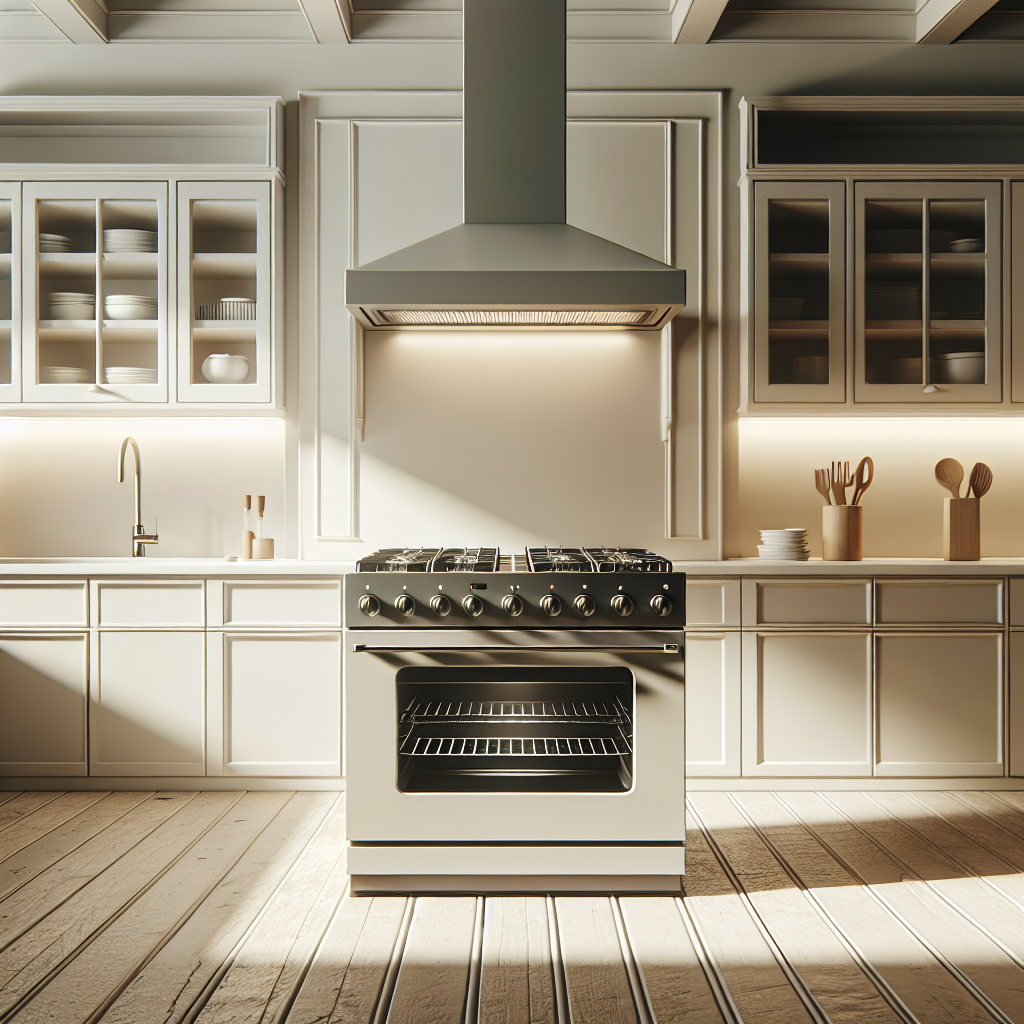
Choosing the right stove size makes a kitchen feel balanced and works with existing cabinets and countertops. Knowing common measurements helps you plan clearances, ventilation, and cabinet adjustments before buying.
This article breaks down typical widths, depths, heights, and spacing needs for most homes. It focuses on real-world numbers and simple tips to avoid surprises during installation or replacement.
Common widths, depths, and what they mean
Most stoves fall into a handful of standard width categories that match common cabinet openings. Depth and height also follow patterns tied to countertop levels and venting models.
Typical widths
The most common widths are 20, 24, 30, and 36 inches. Each size fits different kitchen layouts and cooktop needs.
- 20 inches: Compact units suited for very small kitchens, apartments, or secondary cooking stations.
- 24 inches: A small but practical choice when space is limited; often used in studios or small galley kitchens.
- 30 inches: The most popular width for single-family homes; balances burner space with footprint.
- 36 inches: Offers extra burner space and larger ovens; common in larger kitchens.
Standard depths
Standard depths usually range from 24 to 28 inches for freestanding models. Depth determines how the stove sits relative to countertops.
- 24 inches: Common for slide-in models that align with counter fronts.
- 25–27 inches: Typical depth for freestanding stoves, often slightly projecting in front of cabinets.
- 28 inches and up: Found on professional-style ranges with heavier trim and larger knobs.
Typical heights
Stove heights aim to match countertop height, which is usually 36 inches from the floor when the countertop includes the range top. Slight variations exist depending on leg adjustments and trim.
- Standard height: Roughly 36 inches to align with countertops.
- Adjustable legs/levelers: Allow 1–2 inches of height change to fine-tune fit.
Clearances and safety distances
Clearances keep heat away from cabinets and walls and let ventilation work properly. They vary by fuel type and local codes, but common recommendations apply to most setups.
Side and rear clearances
Manufacturers often require a small gap between the stove and side cabinets. A typical safe distance is 1 to 2 inches at the rear and 0 to 1 inch at the sides for slide-in models, but freestanding units may need larger gaps.
- Freestanding ranges: Allow 1–2 inches on each side and 2–3 inches at the rear for heat and connection access.
- Built-in or slide-in units: Designed to sit tight against counters but still need manufacturer-specified gaps for ventilation.
Overhead clearance
Clearance above the cooking surface is crucial to prevent heat and steam from damaging cabinets or vent hoods. Most guidelines advise a minimum space between the cooktop and any overhead cabinet or hood.
- Under-cabinet hoods: Usually require at least 24–30 inches above electric cooktops and 30–36 inches above gas cooktops.
- Microwave hoods: Follow the microwave manufacturer’s recommendation, which often matches hood clearances.
Floor and ventilation space
Proper airflow behind and beneath certain stoves prevents overheating and supports appliance longevity. Some gas models also need clearances for gas lines and shutoff access.
- Ventilation ducts: Plan the route early to avoid conflicts with studs or plumbing.
- Access panels: Keep space to reach gas or electrical shutoffs without moving the range completely.
Built-in versus freestanding: key space differences
Built-in slide-in units and freestanding ranges look similar but have different installation needs. Choosing between them affects counters, filler strips, and side clearances.
Freestanding ranges
Freestanding models have finished sides and a backguard. They slide between cabinets and can be pushed against a wall, but often stick out slightly from countertops.
- Pros: Easy to replace, flexible placement, often less expensive.
- Cons: May require filler strips if cabinets are slightly narrower; can project beyond counter fronts.
Slide-in and built-in ranges
Slide-in ranges are designed to fit flush with counters and often have controls on the front. Built-in models may require custom openings and trim.
- Pros: Seamless look, counters often overlap the stove edge for a continuous surface.
- Cons: Replacement choices can be limited to the same size and model type.
Measuring tips to avoid mistakes
Measure twice so a new appliance fits without cutting cabinets. Small differences in depth, trim, and handles can create a tight fit or leave unsightly gaps.
Measure cabinet openings, not just the old stove
Old stoves might not have been installed perfectly. Measure the cabinet cutout width, depth from the front face, and the height to the underside of the countertop.
- Width: Measure between adjacent cabinet faces at the front and back.
- Depth: Measure from the cabinet face to the wall behind where the range will sit.
- Height: Check from finished floor to underside of the countertop and to any appliance rails.
Account for knobs, handles, and trim
Some ranges have protruding knobs or handles that affect clearance at islands, end cabinets, or walkways. Measure the maximum projection, not just the main body.
- Handles: Add handle projection to depth measurements if they face open walkways.
- Control panels: Front-mounted controls can reduce usable counter space in front of the stove.
Consider fuel connections and service space
Gas lines, electrical outlets, and shutoffs require access. Allow room to disconnect the appliance without moving cabinets or damaging connections.
- Gas: Ensure shutoff valves are reachable and consider a flexible connector.
- Electric: Check whether a 3- or 4-prong outlet is required and its position relative to the rear of the range.
Common layout scenarios and recommended sizes
Different kitchen layouts lend themselves to certain stove sizes. Match the stove to how the space is used to keep workflow smooth and seating areas comfortable.
Small apartments and studios
Compact 20–24 inch units save space without sacrificing basic cooking needs. A slim oven and two burners are often enough for one or two people.
- Best pick: 24-inch range if counter space allows; 20-inch where every inch matters.
- Placement tip: Keep near sink for efficient food prep and cleanup.
Typical family kitchens
In standard homes, a 30-inch range balances capacity and kitchen flow. It fits between cabinets and gives two ovens in some double-oven models.
- Best pick: 30-inch single or double oven depending on cooking habits.
- Placement tip: Leave 12–15 inches of counter on at least one side for hot pans.
Entertaining and large kitchens
Large kitchens often use 36-inch or wider ranges, sometimes with multiple ovens and professional features. These ranges need wider cabinet openings and often a dedicated hood.
- Best pick: 36-inch or larger, with 6 burners or dual ovens if you entertain often.
- Placement tip: Ensure clear walkway space of at least 36 inches in front of the range.
Conclusion
Knowing the common measurements and clearances makes appliance shopping less stressful and reduces the chance of costly changes. Focus on width, depth, and height, and remember to plan for ventilation and service access.
Measure cabinet openings, check manufacturer specs, and keep small clearance margins in mind to ensure a smooth installation and a kitchen that works the way you cook.
Frequently Asked Questions
What are the most common stove widths homeowners choose?
Homeowners most often pick 30-inch ranges. Smaller homes may use 24-inch models, while larger kitchens can opt for 36-inch or wider units.
How much space should be left between a stove and overhead cabinets?
Clearance depends on the cooktop type but generally ranges from 24 to 36 inches. Gas cooktops typically need more clearance than electric ones.
Can a new stove be installed in the space of an old one?
Often yes, but verify cabinet opening sizes, fuel connections, and venting. Slide-in and freestanding stoves have different side and depth needs.
Do I need extra depth for heavy trim or knobs?
Yes. Measure the total projection including handles and knobs to avoid interference with walkways or adjacent island seating.
Are there standard clearances for gas lines and electrical hookups?
Local codes vary, but plan for access to shutoffs and a little service space behind the range. Use flexible connectors and follow manufacturer instructions for clearances.
What size range is best when countertops are already installed?
Match the new range to the cabinet opening whenever possible. Slide-in units are best when counters overlap the stove edge; freestanding units fit into wider or more forgiving spots.