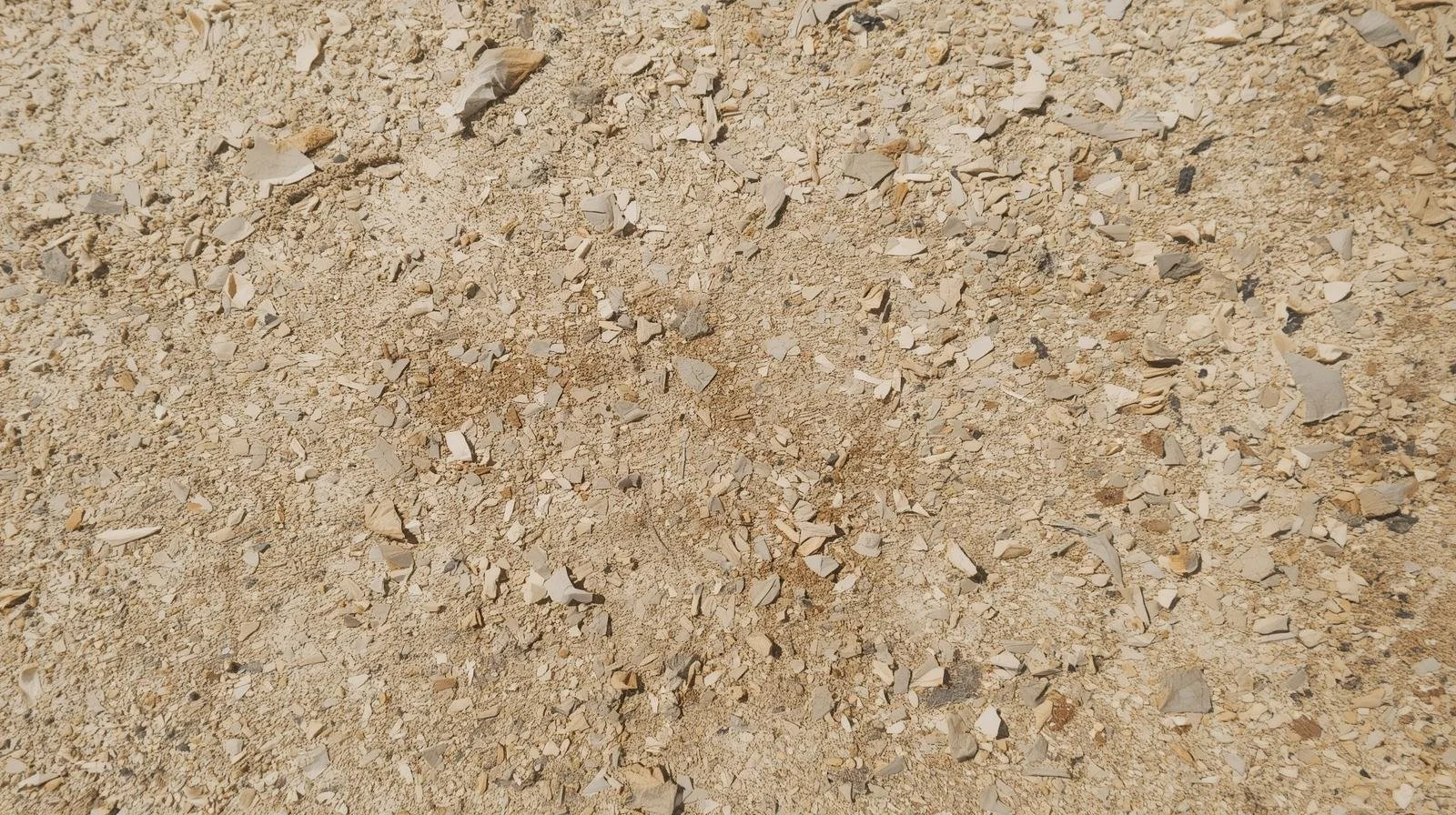
Dry lean concrete is a commonly used base layer in civil engineering and building construction, especially below foundations, pavements, and floors. It is a low-strength concrete made with a small quantity of cement and very low water content, giving it a dry, stiff consistency. Dry lean concrete is mainly used to provide a clean, level, and stable working surface and to prevent direct contact between structural concrete and soil.
What Is Dry Lean Concrete?
Dry lean concrete (DLC) is a type of concrete with a low cement content and low water-cement ratio, resulting in a dry and crumbly mix rather than a flowable one. It is not designed to carry structural loads but serves as a sub-base or leveling course. Dry lean concrete is generally laid below footings, raft foundations, floors, and pavements to provide uniform support and protect reinforcement from soil contamination.
Why Dry Lean Concrete Is Used
Dry lean concrete is used to create a firm and even base over uneven soil. It prevents direct contact of structural concrete with soil, which can absorb cement paste and weaken the concrete. It also helps maintain proper cover to reinforcement and improves construction accuracy. DLC reduces settlement issues and ensures uniform load distribution from the structural elements above.
Dry Lean Concrete Mix Ratio
The mix ratio of dry lean concrete varies depending on project requirements, but commonly used proportions are 1:4:8, 1:5:10, or 1:3:6 (cement : sand : aggregate). The cement content is intentionally kept low to reduce cost and avoid unnecessary strength. Water is added only to achieve compaction, not workability. The resulting mix appears dry and can be compacted easily using rammers or rollers.
Characteristics of Dry Lean Concrete
Dry lean concrete has low compressive strength compared to structural concrete, typically ranging between 7 MPa to 10 MPa. It has minimal shrinkage, low permeability, and good load distribution capability. Since it contains less water, bleeding and segregation are minimal. DLC provides a hard surface after compaction, suitable for further construction activities.
Uses of Dry Lean Concrete
Dry lean concrete is widely used below footings and foundations to provide a clean and firm base, under raft foundations as a leveling and separation layer, in road construction as a sub-base below PQC or WMM layers, under industrial floors to improve load distribution, and in canal linings and drains to provide a stable base. It is also used in areas where soil conditions are poor or uneven.
Dry Lean Concrete in Road Construction
In road works, dry lean concrete is commonly used as a sub-base layer below rigid pavements. It improves load transfer, prevents pumping of fine soil particles, and provides a uniform surface for laying pavement quality concrete. DLC also helps control differential settlement and improves pavement durability.
Difference Between Dry Lean Concrete and PCC
Dry lean concrete differs from plain cement concrete (PCC) mainly in water content and purpose. PCC has higher cement and water content, making it workable and stronger, while DLC is drier, leaner, and used only as a base layer. PCC can act as a structural or semi-structural layer, whereas DLC is strictly non-structural.
Dry Lean Concrete vs Lean Concrete
Lean concrete is a broader term that includes any concrete with low cement content, while dry lean concrete specifically refers to a low-slump, dry-mix concrete compacted mechanically. All dry lean concrete is lean concrete, but not all lean concrete is dry lean concrete.
Thickness of Dry Lean Concrete
The thickness of dry lean concrete generally ranges from 75 mm to 150 mm, depending on soil condition and structural requirements. For building foundations, 75–100 mm is common, while for road works, thickness may increase based on design specifications.
Construction Procedure of Dry Lean Concrete
The construction of dry lean concrete starts with proper ground preparation and compaction. The dry mix is prepared using batching or mixing machines and laid evenly over the prepared surface. It is then compacted using plate compactors, rollers, or rammers to achieve required density. Proper level and slope are maintained before placing the next structural layer.
Advantages of Dry Lean Concrete
Dry lean concrete is economical due to low cement usage, easy to place and compact, provides a clean and level surface, reduces contamination of structural concrete, minimizes settlement issues, and improves construction quality and accuracy.
Disadvantages of Dry Lean Concrete
Dry lean concrete has low strength and cannot carry structural loads. Improper compaction can lead to voids and uneven support. It also requires careful control of moisture content during mixing and laying.
IS Code Guidelines for Dry Lean Concrete
Although IS codes do not define dry lean concrete separately, its use is covered under IS 456:2000 and IRC guidelines for road works. Mix design and application are usually specified in project specifications and drawings. Proper quality control is essential to ensure performance.
Common Site Mistakes in Dry Lean Concrete
Common mistakes include adding excess water to improve workability, inadequate compaction, uneven thickness, and placing structural concrete before DLC has properly set. These errors reduce effectiveness and durability.
Best Practices for Dry Lean Concrete
Always maintain correct mix proportion, ensure uniform compaction, check level and thickness before setting, and avoid excessive water. Proper supervision ensures dry lean concrete performs its intended function effectively.
Conclusion
Dry lean concrete is a vital non-structural layer used in foundations, floors, and road construction to provide a stable, clean, and uniform base. Though it does not contribute to structural strength, its role in improving durability, construction accuracy, and long-term performance is significant. When properly mixed, placed, and compacted, dry lean concrete ensures better quality and longevity of civil engineering works.