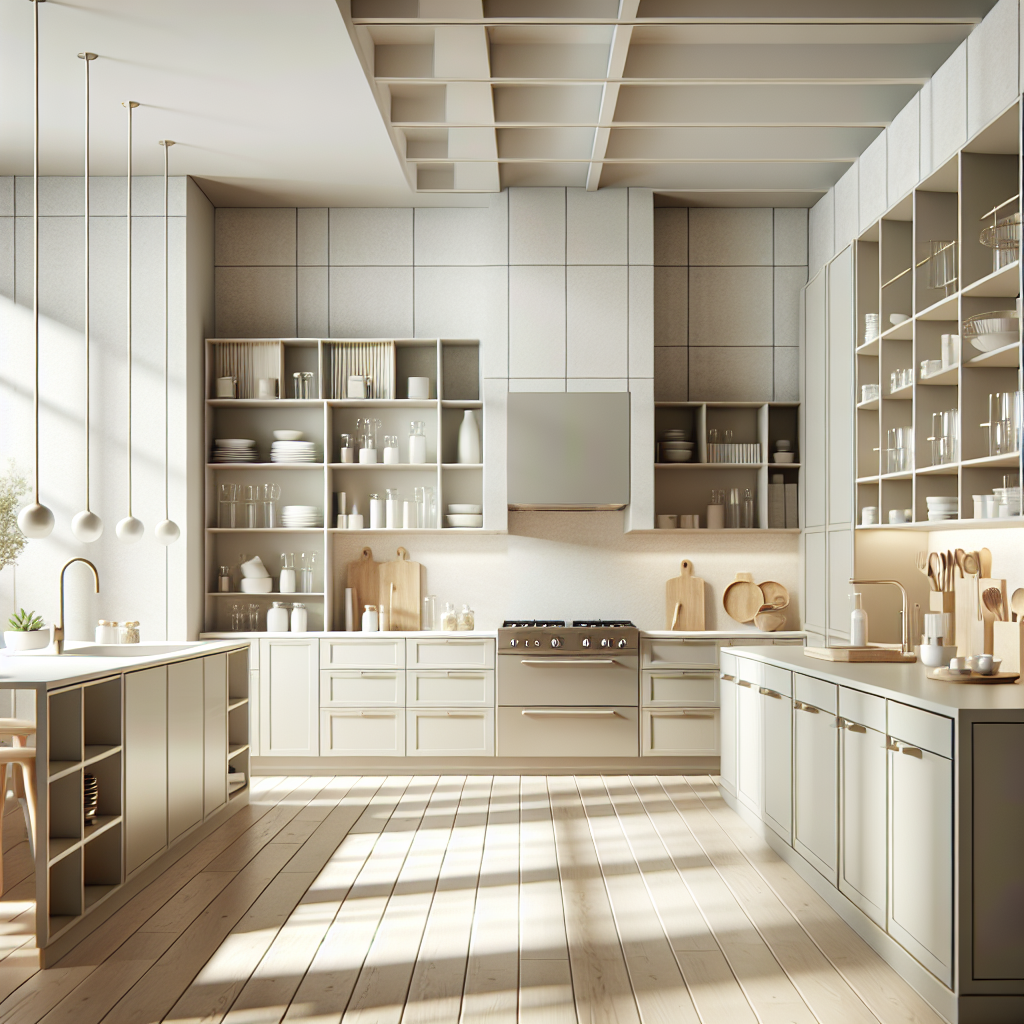
Choosing the right cabinet sizes changes how a kitchen or storage area feels and works. Small measurement shifts affect countertop height, appliance fit, and how comfortable daily tasks become.
This article walks through typical cabinet heights, depths, internal clearances and layout considerations so measurements match real-world use and installation realities.
Common cabinet heights, widths and depths
Most cabinetry follows a set of common dimensions that balance ergonomics and appliance compatibility. Knowing the typical range helps when selecting off-the-shelf units or ordering custom pieces.
Base cabinets
Base cabinets normally sit on a 3.5 inch toe kick and have a finished height near 34.5 inches without countertop. With a standard 1.5 inch countertop the typical working height becomes about 36 inches.
- Depths: 24 inches is standard for kitchen base units; 21 inches works in tighter spaces.
- Widths: Common increments are 9, 12, 15, 18, 21, 24, 30, 33 and 36 inches.
Wall cabinets
Wall cabinets mount above counters and come in shallower depths to keep reach comfortable. Heights vary to suit ceiling heights and appliance placements.
- Depths: 12 inches is the common kitchen depth; 15 inches offers more storage while keeping reachability.
- Heights: 12, 15, 18, 30, 36 and 42 inches are typical; 42 inch tall units pair with taller ceilings.
- Widths: Follow the same width increments as base cabinets for clean sightlines.
Tall cabinets
Tall or pantry cabinets combine multiple storage zones in a vertical footprint. They range from counter-high pantries to full-height reach-in storage.
- Heights: 84, 90 and 96 inches are common full-height options to match ceiling heights.
- Depths: 24 inches is standard; 12 to 18 inches can work for pantry-style shallow options.
Internal clearances and drawer sizing
Cabinet face dimensions matter, but internal clearances dictate what actually fits inside. Drawer depth, shelf spacing and hardware clearances determine usability.
Drawer front and internal depths
Drawers are usually sized by front height and internal usable depth. Deeper drawers are great for pots; shallow drawers are useful for utensils and plates.
- Fronts: Typical single-drawer heights range from 4 to 10 inches. Multi-drawer stacks split the face between drawers.
- Internal depth: A 24 inch cabinet gives roughly 21 inches of usable depth after back panel and slide hardware.
Shelf spacing and load
Shelves need clearance for stored items and should match expected loads. Adjustable shelving adds flexibility while fixed shelves are stronger for heavy items.
- Standard spacing: 10 to 12 inches works for plates and bowls; 12 to 15 inches fits small appliances and boxes.
- Load: Use thicker shelving or additional supports for heavy storage to avoid sagging over time.
Toe kick and base clearance
The toe kick lets users stand close to counters without stubbing toes. The standard depth and height keep tasks comfortable and protect base cabinets from scuffs.
- Typical toe kick: 3.5 inches high and 3 inches deep.
- Adjust for appliances: Some installations reduce toe kick depth near refrigerators or ovens for wiring or ventilation.
Layout considerations and appliance clearances
Cabinet sizes must work with appliances, traffic paths and daily workflows. Planning around clearances prevents awkward fits and costly adjustments after purchase.
Work triangle and spacing
Place sinks, stove tops and refrigerators to minimize walking distance while maintaining clearances. Cabinet placement should support this layout rather than hinder it.
- Keep major zones separated enough to avoid crowding but close enough to be efficient.
- Allow at least 42 inches of clearance in main cooking aisles when appliances are on opposing runs.
Appliance clearances
Appliances have specific requirements for ventilation, door swing and service access. Cabinets must be planned with these specs in mind.
- Ranges: Leave space for adjacent countertops and consider heat clearance from combustible surfaces.
- Dishwashers: Plan 24-inch depth cabinets and allow a full door swing; set countertop overhang to clear the open door.
- Refrigerators: Add filler panels so doors have full swing and ventilation gaps around the unit.
Walkways and traffic
Hallways and kitchen aisles need clearances to allow two people to pass comfortably. Narrow aisles create pinch points regardless of cabinet depth.
- Single-run aisles: 40 to 48 inches preferred when there are working zones on one side.
- Between opposing cabinets: Minimum 42 inches for active kitchens; 36 inches can work in light-use spaces.
Material thickness, overlays and fitting tolerances
Material thickness and door overlays change the finished look and affect clearances. Account for these when planning widths and filler strips.
Impact of material thickness
Plywood, MDF and solid wood have different thickness standards. Thicker materials reduce internal width and require slightly larger face frames or boxes to maintain usable space.
- Common box thickness: 1/2 inch to 3/4 inch. Choose 3/4 inch for greater rigidity in larger spans.
- Door panels: Thicker doors add weight and can change how adjacent doors align and swing.
Full overlay vs inset doors
Full overlay doors cover most of the cabinet face, giving a continuous look but reducing visible gaps. Inset doors sit inside the frame and need precise spacing.
- Overlay cabinets need less filler but allow slightly less internal width when using thick doors.
- Inset doors require tight tolerances and predictable humidity conditions to avoid sticking.
Filler strips and reveal planning
Small filler pieces prevent doors from rubbing on walls or appliances and help finish a run neatly. Plan minimum filler widths of 1/2 to 1 inch where needed.
- Use adjustable fillers near appliances to allow future swap-outs without major carpentry.
- Planned reveals improve symmetry and account for slight measurement variations during installation.
Conclusion
Understanding typical cabinet sizes and the reasons behind them makes planning faster and reduces surprises. Focus on how cabinets interact with appliances, human reach and traffic flow.
Measure twice, consider internal clearances and pick materials that match expected use. Small adjustments during planning save time and money during installation.
Frequently Asked Questions
Below are common questions about cabinet sizing and fit that help clarify common measurement scenarios.
What is the standard height for kitchen base cabinets?
The most common finished height is about 34.5 inches for the cabinet box plus a typical countertop thickness of 1.5 inches, resulting in a 36 inch working surface. This suits average adult ergonomics.
How deep should wall cabinets be?
Wall cabinets are typically 12 inches deep to keep items within easy reach. A 15 inch depth can be used when extra storage is needed and reach is still acceptable.
How much clearance is needed for appliance doors?
Allow full door swing plus a small buffer to avoid collisions. Dishwashers and ovens usually need a full 24 inch swing for service access; refrigerators need space for airflow and door swing.
Can standard cabinet widths be shortened or combined?
Yes. Standard widths in set increments allow mixing and matching. For odd spaces, use filler strips or combine narrower units to reach the desired total width.
What toe kick dimensions work best?
A 3.5 inch high and 3 inch deep toe kick is typical and comfortable for most users. Adjust slightly for taller or shorter users if ergonomics are a priority.
Do material thickness choices affect cabinet interior space?
They do. Thicker material reduces internal width and depth marginally. Plan box dimensions with the chosen material thickness in mind to maintain intended usable space.
Are there standard sizes for bathroom cabinets?
Bathroom cabinets commonly follow similar principles but with narrower depths and lower heights when space is limited. Vanity units are often 21 to 24 inches deep and range widely in widths to match sink and fixture placement.
How to account for uneven walls and floors?
Allow for shimming and adjustable feet. Use fillers and scribed panels to bridge gaps where walls are out of plumb. Professional measurement and a small installation tolerance can avoid gaps and misalignment.