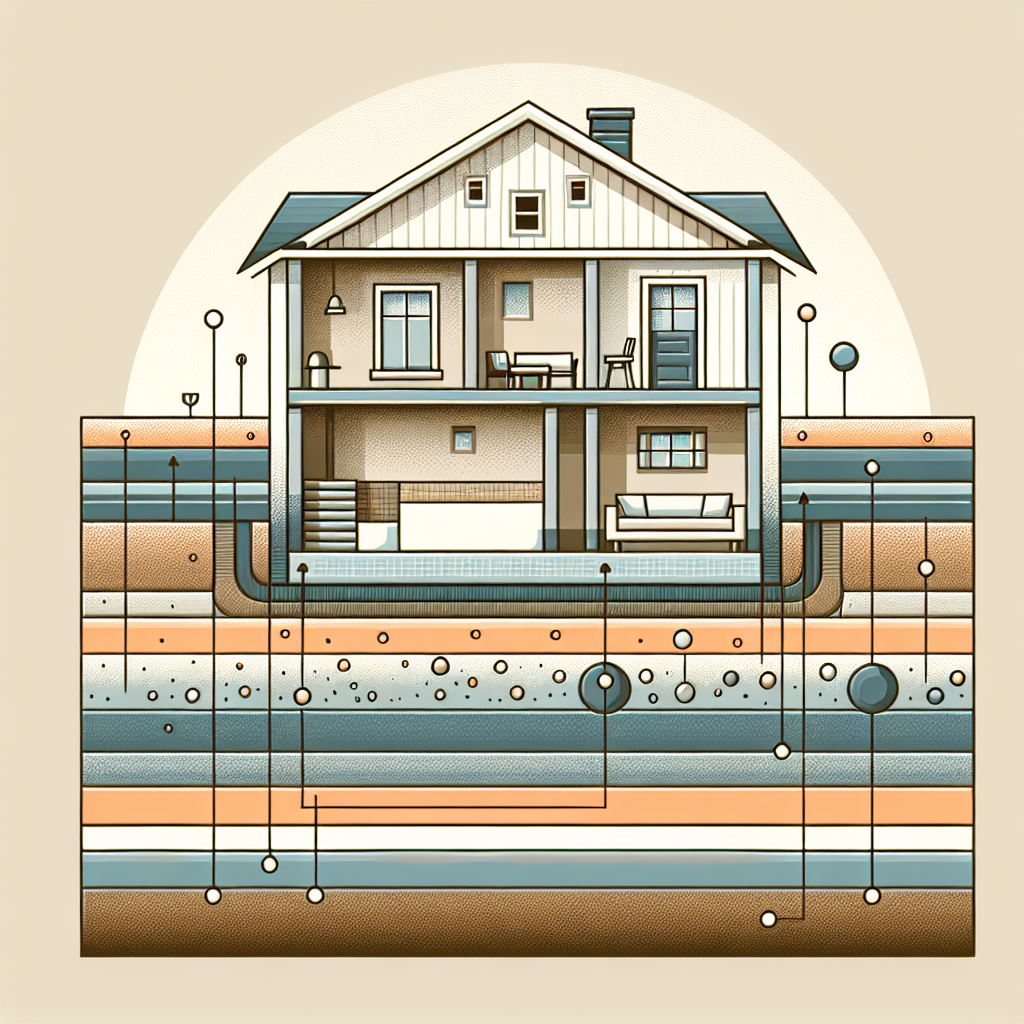
Choosing the right base for a home affects comfort, safety and long-term costs. The right approach depends on soil, climate, budget and the type of house you plan to build.
This article walks through common foundations, what to expect with each, and practical tips to match a foundation to a site. It focuses on clear comparisons and real-world risks.
Understanding common foundation types
Most homes rely on one of a few proven foundation types. Each has strengths and limits that matter more in some places than others.
Concrete slab
A slab is a single layer of concrete poured directly on the ground. It is common in warm climates and on level lots.
Benefits include lower up-front cost, quick construction, and minimal basement or crawl space maintenance. Slabs can be vulnerable to freeze-thaw cycles and soil movement without proper site prep.
Crawl space
A crawl space lifts the house a few feet off the ground. It uses short foundation walls and piers to support the floor system.
This option helps with moisture control and access to utilities. Proper ventilation or encapsulation is necessary to avoid dampness and pests.
Full basement
Basements add usable space and storage below grade. They are common in colder climates where foundations must extend below the frost line.
Basements raise construction cost but add flexibility. Waterproofing and drainage are key to prevent damp walls, mold and lowered resale value if left unfinished.
Deep foundations and piles
When surface soils are weak, piles or drilled piers transfer load to deeper, stronger layers. This is a common solution for heavy structures or soft ground.
Deep foundations are more expensive but often the safest choice for unstable sites, reclaimed land or large buildings.
Soil, water and site factors that shape the choice
Soil and water conditions are the most important drivers of which base style will perform well. A few simple tests and observations can point you to the right option.
Soil type and bearing capacity
Sandy soils drain well but may shift under load. Clay can hold a lot of water and swell, causing movement. Rock has great bearing but can be costly to excavate.
A standard soil bearing test gives a recommended foundation type and depth. Local contractors or geotechnical firms can supply that data.
Water table and drainage
A high water table favors elevated foundations or basements with strong waterproofing. Standing water increases the risk of hydrostatic pressure on walls.
Good site drainage, surface grading away from the home, and reliable gutters reduce moisture-related problems.
Frost depth and climate
In cold regions, foundations must sit below the frost line to avoid freeze-thaw damage. That often makes basements or deep footings necessary.
In mild climates, shallow slabs may be more economical and simpler to build.
Slope and accessibility
Sloped lots may require stepped foundations, retaining walls or split-level designs to match the grade. Accessibility rules and local codes can affect foundation height and entry points.
Consider vehicle access, driveway grades, and how utilities will reach the home when choosing a solution.
Costs, lifecycle and long-term value
Initial price is important, but life-cycle cost and future maintenance often matter more. Some foundations have higher up-front cost but deliver better value over time.
Up-front costs
Concrete slabs are usually the cheapest to build. Basements and deep foundations increase excavation, formwork and material costs.
Site prep such as rock removal, soil replacement or dewatering can add significantly to the bill regardless of foundation type.
Maintenance and repairs
Crawl spaces need vents checked and moisture barriers replaced. Basements require regular checks for leaks and sump pumps may need service.
Cracks in slabs can be repaired, but foundation settlement is costly if it reaches structural members. Good initial design lowers long-term repair risk.
Energy efficiency and comfort
Basements and crawl spaces can be insulated and conditioned to boost energy performance. Slabs can be paired with radiant floor heating for efficient warmth.
Insulation strategy affects heating and cooling loads and ties into foundation choice and cost.
Resale and adaptability
Homes with usable basements often fetch higher resale prices in many markets. Crawl spaces can limit finished living area and flexibility.
Consider how future owners might value extra square footage, storage and ceiling height when choosing a foundation type.
Common problems and how they are prevented
Many foundation issues trace back to poor drainage, inadequate soil support or improper construction. Preventive steps are often straightforward.
Settlement and uneven floors
Settlement happens when soil compacts or erodes. It can be sudden or progressive and may show as cracked floors or misaligned doors.
Compaction, proper fill materials and consistent moisture control help reduce this risk. For weak soils, choose deeper footings or piles.
Cracks and structural damage
Small hairline cracks are common and not always structural. Wide, step-shaped or growing cracks indicate movement that needs inspection.
Design details such as control joints, reinforced footings and flexible seals at transitions limit crack formation.
Moisture and mold
Water is a major threat. Poor grading, clogged gutters or fractured drainage pipes can send water to the foundation perimeter.
Install perimeter drains, use exterior waterproofing membranes where needed, and maintain a positive slope away from the home.
Pest entry
Crawl spaces and basements can attract rodents, termites or insects if vents and seals are compromised. Moisture and wood-to-ground contact invite termites.
Use treated wood, seal gaps, add barriers and consider mechanical ventilation or encapsulation in susceptible areas.
Practical checklist when planning the base
Use a clear checklist to avoid surprises. This reduces delays and cost overruns during construction.
- Get a soil report and note bearing capacity and water table depth.
- Check local building codes and frost depth requirements.
- Estimate excavation needs and possible rock removal costs.
- Plan drainage, gutters and final site grading before pouring concrete.
- Ask about warranties on waterproofing and structural work.
Conclusion
Choosing the right foundation is a balance of site conditions, budget and long-term goals. No single type is best in every setting.
Prioritize soil testing, proper drainage and a design that matches the climate. Thoughtful planning lowers repair risk and improves durability.
Frequently Asked Questions
Which foundation type is cheapest to build?
Concrete slabs are generally the least expensive up front. They require less excavation and fewer materials than basements or deep foundations.
When is a basement worth the extra cost?
Basements are often worth the cost where usable below-grade space adds value or where frost depth requires deeper footings. Consider local market preferences.
Can a foundation be repaired if it starts to settle?
Yes, many settlement issues can be stabilized using underpinning, piers or grout injection. The right method depends on the cause and extent of movement.
How does climate affect the choice?
Cold climates usually require foundations below the frost line, while warm, dry areas often use slabs. Moist climates need strong drainage and waterproofing.
Do I always need a soil report?
A soil report is highly recommended. It identifies conditions that affect bearing capacity and informs foundation depth and reinforcement decisions.
What maintenance helps foundations last longer?
Keep gutters clean, maintain positive grading away from the home, check for leaks, and inspect interior moisture levels. Regular checks catch issues early.