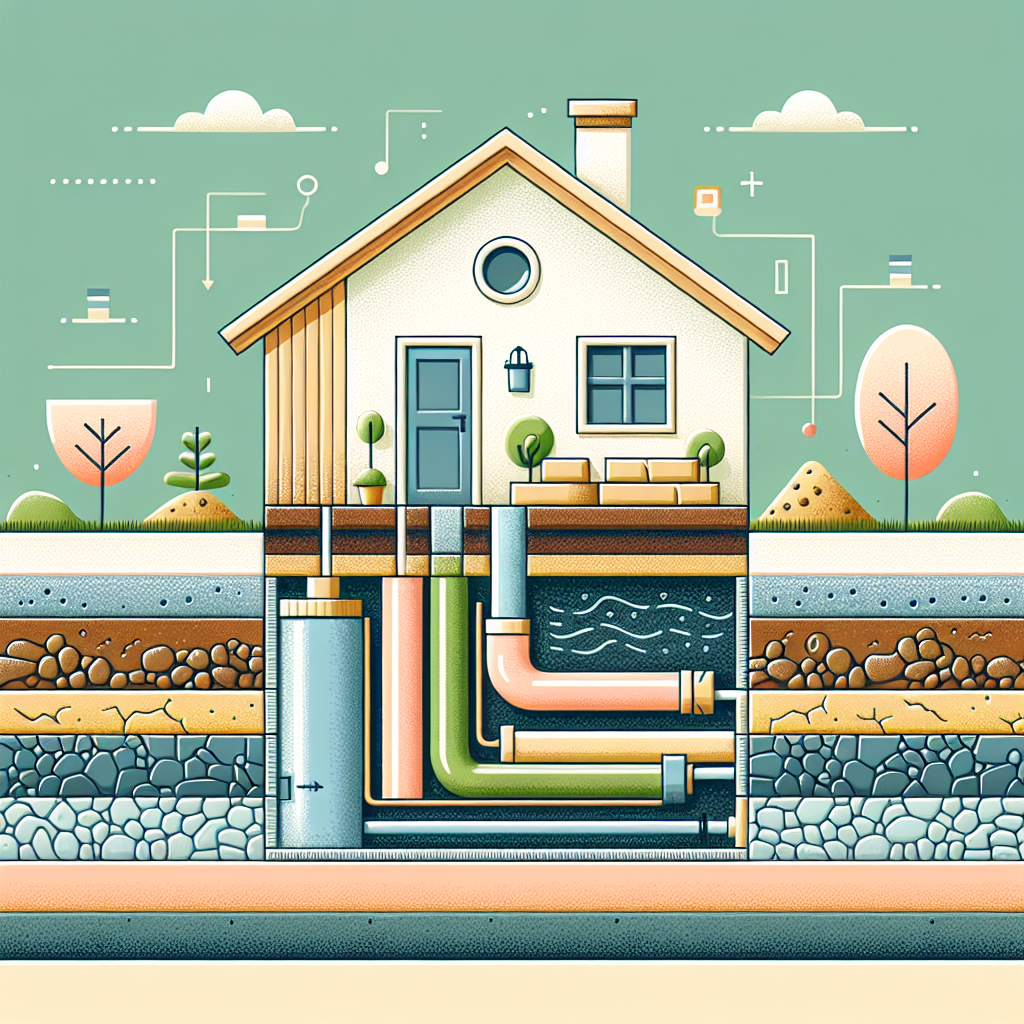
A stable foundation starts long before concrete is poured. Understanding soil, loads, and common failure modes helps homeowners and professionals make smarter choices that last decades.
This article breaks down types of foundations, how site conditions affect decisions, typical construction and cost drivers, and how to spot early warning signs of trouble.
Common foundation types and when they fit
Choosing the right foundation depends on soil conditions, climate, budget, and the weight of the building. Each type has trade-offs in cost, excavation, and maintenance.
Below are the most used options for single-family homes and small multi-unit buildings, with quick notes to help match options to conditions.
Shallow footings and spread foundations
Shallow footings sit near the ground surface and transfer loads to relatively strong topsoil layers. They work well where frost depth is shallow and soils are stable.
- Cost-effective for level sites with good bearing capacity.
- Less excavation and simpler formwork compared to deep systems.
- Requires good drainage and protection against freeze-thaw cycles.
Slab-on-grade
A concrete slab cast directly on compacted subgrade is common in warm climates and on flat lots. It can be combined with thickened edges to create continuous support.
- Simple and economical under favorable soil conditions.
- Suitable when basement space is not required.
- Must include vapor barrier and insulation where moisture or heat loss is a concern.
Basements and crawlspaces
Basements add living or storage space but increase excavation and waterproofing needs. Crawlspaces raise the structure above grade and allow mechanical access.
- Basements require robust waterproofing and proper drainage to prevent water intrusion.
- Crawlspaces should be ventilated or sealed and insulated to avoid moisture and pest issues.
- Both options affect heating and cooling efficiency depending on insulation strategy.
Deep foundations: piers and piles
When near-surface soils are weak or highly compressible, deep foundations transfer loads to stronger strata below. Piles can be driven or cast in place, while piers are typically drilled shafts.
- Higher cost but necessary where bearing layers are deep or settlement risks are high.
- Often used on sloped sites or near trees with large root zones.
- Choice depends on equipment access and subsurface conditions.
How site and soil influence decisions
Soil type, groundwater, and slope are the biggest determinants of what kind of foundation will perform well. A few targeted tests help avoid major surprises.
Simple visual inspections give clues, but a geotechnical report provides the data needed to size footings and predict settlement.
Recognizing problematic soils
Clay, peat, and loose sand behave differently under load. Expansive clays swell when wet and shrink when dry, which can lift and crack shallow foundations.
- Clay: needs moisture control, deeper footings, or flexible details to tolerate movement.
- Peat: generally unsuitable as a bearing layer without removal or replacement.
- Loose sand: may require compaction, densification, or deep foundations to avoid settlement.
Groundwater and drainage
High groundwater increases hydrostatic pressure and the risk of water entry. Managing water around the building is essential to long-term performance.
- Perimeter drains, sump systems, and proper grading keep water away from foundations.
- Waterproof membranes and protective boards shield walls from moisture and salts.
- Elevating finished floors or using internal drainage channels helps in basements.
Slope and lateral forces
Sloped sites introduce lateral loads from soil and surface runoff. Retaining walls, stepped footings, or piles may be necessary to stabilize the structure.
- Terracing and retaining systems reduce loads and erosion risk.
- Proper stormwater diversion prevents saturation of slopes that can trigger slides.
Construction methods, materials, and cost drivers
Concrete remains the dominant material because of its strength and durability. Reinforcement, formwork, and finishing practices affect both performance and price.
Understanding where costs concentrate helps plan budgets and choose value-driven options.
Materials and reinforcement
Rebar size and spacing, concrete strength, and mixes tailored for exposure conditions determine how well the foundation resists loads and cracking.
- Higher-strength concrete and more reinforcement raise cost but reduce long-term risk in demanding sites.
- Additives like air entrainment improve freeze-thaw durability in cold climates.
- Corrosion protection matters near salt exposure or aggressive soils.
Labor, equipment, and site access
Tight urban lots, steep driveways, and restricted working hours can raise labor and equipment costs significantly.
- Simple slab systems may be economical where a concrete truck can reach the pour area.
- Drilled shafts or piles require specialized rigs and can become the largest single line item on difficult sites.
- Site preparation—clearing, grading, and temporary erosion control—adds predictable but necessary expense.
Estimating typical cost factors
Costs vary by region, soil, and complexity. Common cost drivers include excavation depth, concrete volume, reinforcement, waterproofing, and finishing.
- Shallow slab or simple footings: lowest range due to minimal excavation and quick pours.
- Basements: medium to high due to walls, excavation, and waterproofing needs.
- Deep foundations: highest due to piling equipment and extended construction time.
Common problems and preventive measures
Most foundation issues show early warning signs. Early action reduces repair complexity and cost.
Routine checks and simple moisture management often prevent small issues from becoming structural failures.
Signs of settlement and movement
Stair-step cracks in masonry, doors that stick, and uneven floors are common indicators of differential settlement.
- Monitor cracks over time to see if they widen or stabilize.
- Measure doors and floors seasonally in areas prone to soil moisture swings to distinguish movement patterns.
Moisture-related failures
Poor grading, clogged drains, and missing vapor barriers lead to damp basements and damage to finishes and framing.
- Ensure exterior grades slope away from the structure and maintain gutters.
- Install or repair perimeter drains and confirm sump pumps are operational where needed.
Repair approaches
Repairs range from underpinnings and piering to slab jacking and reinforcement. The right fix addresses both the symptom and the underlying cause.
- Piling or pier systems stabilize and lift settled foundations by transferring loads deeper.
- Drainage corrections and soil replacement remove the moisture sources that caused the problem.
Conclusion
Good outcomes start with realistic expectations about site conditions, the right foundation type, and durable moisture control. Investing in proper investigation and workmanship saves money over the building’s life.
Whether the priority is lower upfront cost or long-term resilience, matching the foundation to soil, climate, and use will prevent most common failures.
Frequently Asked Questions
How do I know if my soil needs a deeper foundation?
Look for soft deposits, high water table, or visible settlement. A soil report or simple borings reveal bearing layers and can show whether shallow support is sufficient.
What maintenance keeps a foundation healthy?
Maintain proper grading and gutters, control vegetation near foundations, keep drains clear, and inspect for small cracks that could allow water in.
Can a slab foundation be insulated for cold climates?
Yes. Adding rigid insulation under or around slab edges reduces heat loss and helps prevent frost heave when designed with local conditions in mind.
When is it worth doing a geotechnical investigation?
Always on challenging sites such as sloped lots, reclaimed land, or where previous site history is unknown. It is also valuable when building heavier structures or saving on over-conservative designs.
How quickly do foundation problems progress?
Some issues develop slowly over years, while water-related damage can accelerate in months. Early detection and addressing moisture sources slow or stop progression.