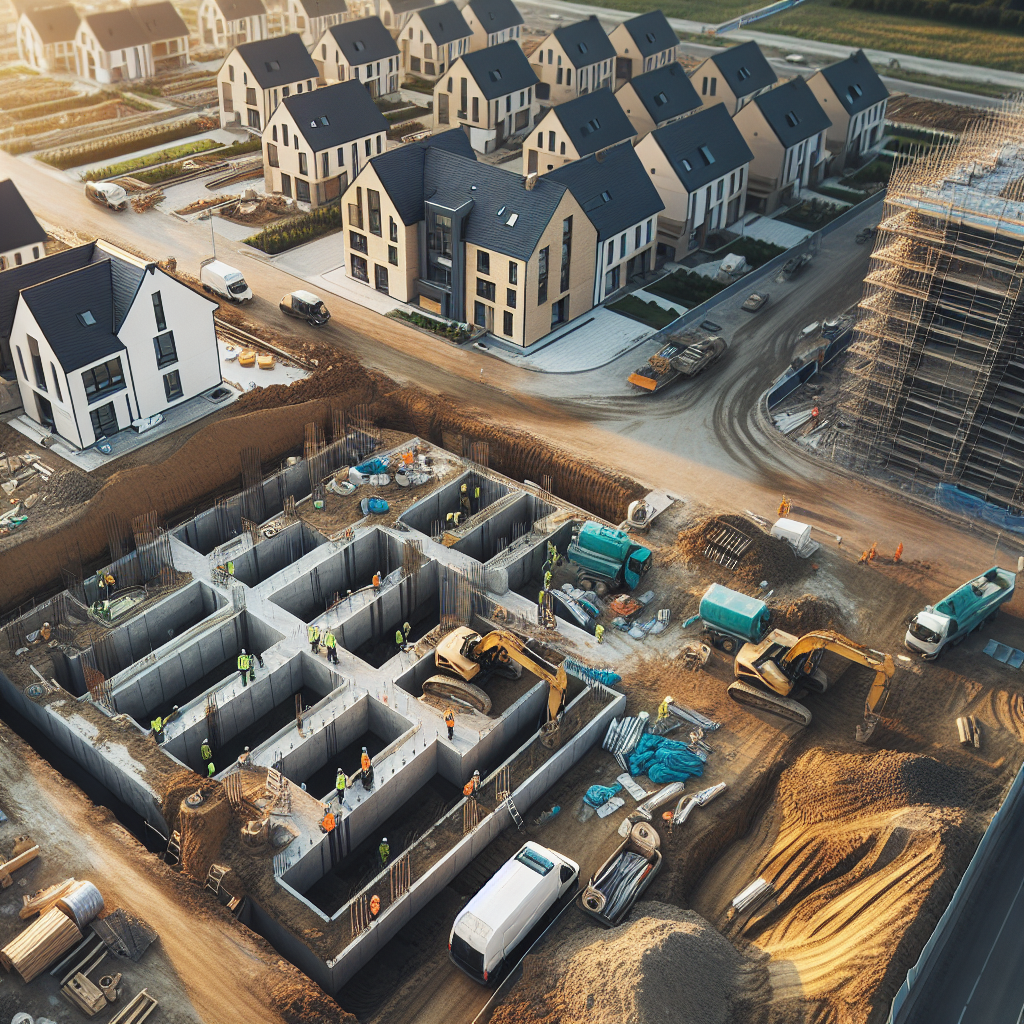
Starting any building project well below ground level sets the tone for everything above. Getting the digging, soil checks, and temporary supports right reduces surprises and keeps timelines predictable.
This article breaks down the practical steps of foundation excavation, highlights safety and environmental practices, and explains choices that impact cost and long-term stability.
Planning and site assessment
Before any earth moves, a clear plan reduces rework and risk. A site visit, records review, and basic surveys reveal constraints like utilities, slopes, and drainage.
Early decisions steer the rest of the work: how deep to dig, what machinery is appropriate, and what temporary structures might be needed.
Soil testing and reports
Collecting soil data is essential. A few boreholes or test pits give information on soil type, bearing capacity, groundwater level, and presence of organic matter.
These findings influence foundation depth, footing size, and whether dewatering or ground improvement is required.
Utility and permit checks
Confirming the location of utilities prevents costly damages and dangerous incidents. Local authorities often require specific documentation before excavation starts.
Clear records and permits help avoid stoppages that delay work and increase cost.
Access, staging and logistics
Plan equipment routes, material storage, and waste removal. Tight sites may need smaller machines or staged deliveries to keep progress steady.
Temporary roads and defined loading zones reduce machine idle time and minimize ground compaction in working areas.
Excavation methods and equipment
Choosing the right excavation method balances speed, cost, and soil conditions. Options range from hand-excavation to large tracked excavators.
Matching the task to the equipment reduces fuel use, risks, and wear on machines.
Open excavation and trenching
Open excavation is efficient for large footprints; trenches are used for strip footings and utilities. Both require slope or benching when walls are deep or soils unstable.
Depth, side slope angle, and soil type determine whether the sides can be sloped back or need support.
Use of excavators and loaders
Excavators suit most foundation digs, offering reach and bucket options. Loaders and dump trucks handle material movement and stockpiling.
Smaller sites may benefit from mini-excavators that reduce surface damage and fit behind tight barriers.
Controlled blasting and rock removal
When rock is present, mechanical breaking, hydraulic hammers, or controlled blasting may be needed. Each has safety and regulatory implications.
Choosing a quieter or vibration-limited method can protect nearby structures and reduce complaints.
Shoring, dewatering and temporary works
When soils aren’t stable or groundwater is high, temporary support systems protect workers and adjacent properties. These measures are often required by rules and common sense.
Effective temporary works are planned with expected loads, excavation depth, and ground conditions in mind.
Shoring and retaining systems
Options include soldier piles with lagging, sheet piling, and hydraulic shoring. Each offers different installation speeds and reuse potential.
Choice depends on depth, adjacent structures, and whether the shoring must resist groundwater or surcharge loads.
Dewatering techniques
Where water accumulates, simple sump pumps may suffice. For higher flows or permeable soils, wellpoints or deep wells provide controlled drawdown.
Dewatering plans should include monitoring so that drawdown does not cause settlement of nearby structures.
Monitoring and settlement control
Installing gauges and reference points helps track movement during excavation. Early detection of settlement prevents damage to foundations and utilities.
Regular inspections and written logs create a record that supports timely decisions and accountability.
Quality control and practical checks
Accurate dimensions, clean base preparation, and confirmed levels avoid surprises when concrete arrives. Simple checks save costly fixes later.
Keep teams aligned on tolerance expectations and who signs off at each stage.
Bottom-of-excavation checks
Confirm depth, remove loose material, and check for soft spots. A well-prepared base offers uniform support and reduces future settlement.
If soft soils are found, options include compacting, replacing with engineered fill, or widening footings as directed by the report.
Protecting exposed surfaces
Where trenches or pits are left overnight, cover exposed faces and slopes to reduce erosion and collapse risk during rain events.
Temporary surface drains and berms channel water away and limit the need for extra dewatering later.
Material handling and stockpiles
Separate clean fill, excavated spoil, and recyclable material. Protect stockpiles from contamination and maintain stable slopes to prevent collapse.
Labeling and planned movement reduce rehandling and keep the site orderly.
Cost, time and environmental considerations
Digging is one of the most variable items in a project budget. Unseen rock, unexpected groundwater, and utility strikes are common cost drivers.
Understanding risk and planning contingencies makes pricing and scheduling more realistic.
Common cost drivers
- Unstable or soft soils needing replacement or stabilization.
- Rock excavation or specialized breaking methods.
- Dewatering systems and pumping over long durations.
- Shoring and temporary works to protect adjacent structures.
Early testing and realistic allowances reduce the chance of major budget swings.
Environmental and community impacts
Control dust, noise and runoff. Working hours, mufflers on equipment, and water sprays help limit disturbance in built-up areas.
Properly managing spoil and avoiding contamination protects nearby water and soil quality.
Scheduling tips
Sequence work to reduce idle time: confirm deliveries, prepare supports before deep digs, and align inspections with the work plan.
Weather windows matter—heavy rain can halt work for days if slopes are exposed or dewatering systems are overwhelmed.
Conclusion
Careful preparation, the right excavation method, and sensible temporary works lead to a stable foundation and smoother construction above ground.
Routine checks and clear communication among surveyors, machine operators, and site supervisors reduce risk and keep schedules realistic.
Frequently Asked Questions
How deep should an excavation be for a typical house foundation?
Depth depends on frost lines, soil bearing capacity, and local regulations. Foundations often extend below frost depth and into competent soils to prevent heave and settlement.
When is shoring absolutely necessary?
If excavation sides are steeper than safe slope angles, if adjacent structures could be affected, or when deep trenches expose unstable soil or groundwater, shoring is required to protect workers and nearby assets.
Can dewatering cause settlement of nearby properties?
Yes. Excessive drawdown can change pressure in surrounding soils and cause settlement. Controlled systems and monitoring reduce this risk.
What signs show the base needs more work before pouring concrete?
Look for soft spots, water seepage, loose material, and uneven levels. Any of these should be addressed—through compaction, replacement, or additional drainage—before concrete placement.
How long should excavation records be kept?
Retain records of soil tests, inspections, permits, and monitoring logs for the life of the structure if possible. These documents help with future repairs, sales, or legal matters.