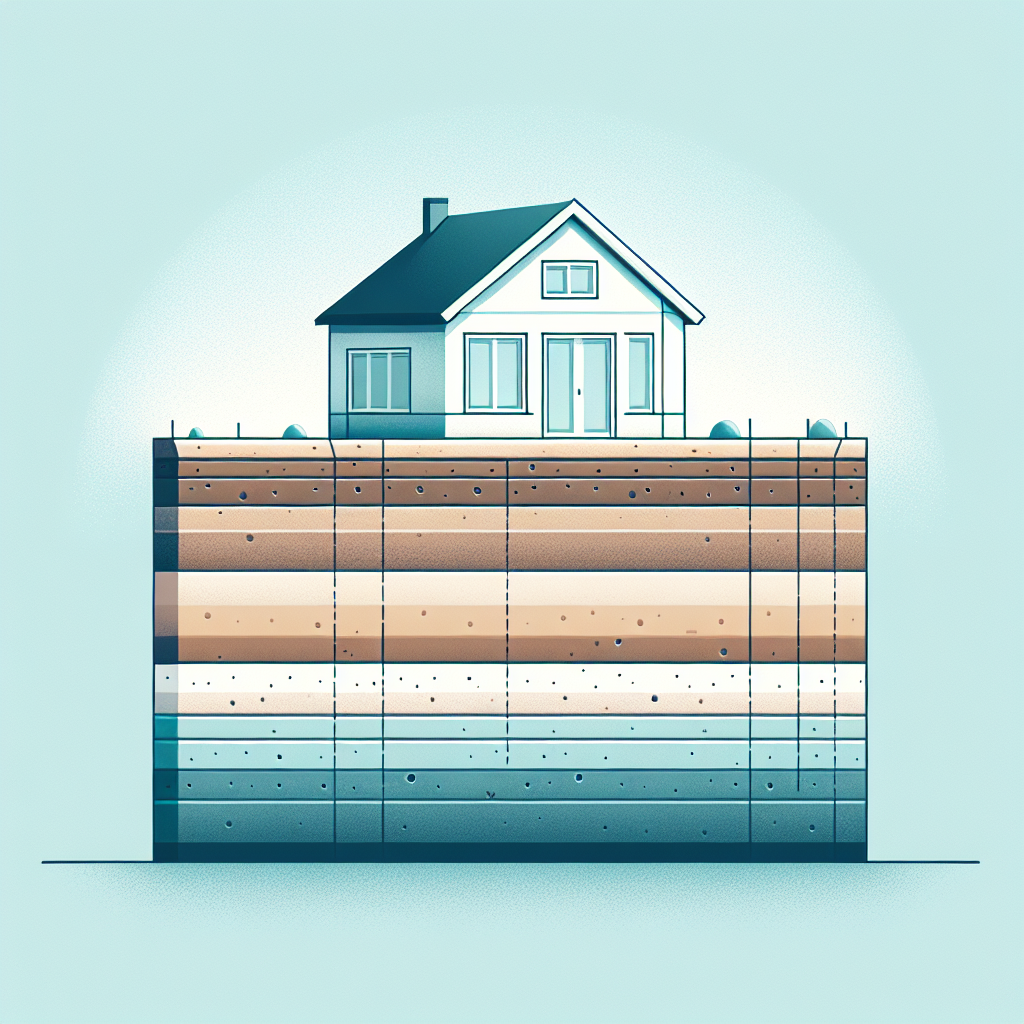
Building a stable base for a home doesn’t have to break the budget. With thoughtful choices about type, materials, and site work, it’s possible to create a durable foundation at a much lower cost.
This article looks at practical options, common trade-offs, and simple ways to avoid surprises that drive price up. Read the clear comparisons and step-by-step ideas to decide what fits your site and budget.
Why choosing a cost-effective foundation matters
Foundations affect every part of a house: durability, maintenance, and future resale value. A cheaper upfront option can be a false economy if it causes problems later.
Balancing initial cost with long-term performance is the key. That means understanding soil, climate, and load needs before picking a method.
Balancing short-term savings and long-term risks
Saving money on materials may reduce immediate expense but can increase repair and maintenance later. Prioritize solutions that lower cost without sacrificing core stability.
Why local conditions change the answer
Soil type, frost depth, drainage, and access all shape which low-cost option is realistic. What is inexpensive on one lot may be risky on another.
Affordable foundation types and when to pick them
Several foundation approaches are notably budget-friendly. Each has trade-offs in labor, material, and suitability to site conditions.
Below are common low-cost choices with plain descriptions and when they make sense.
Shallow strip footings
Strip footings run under load-bearing walls and are simple to pour. They use less concrete than deep foundations and are fast to install on level, stable soils.
Best on compact, non-expansive ground and when the building is lightweight. Avoid on soft or high-water tables without extra preparation.
Slab-on-grade (monolithic slab)
A slab-on-grade combines the floor and foundation into one concrete pour. It reduces formwork and construction time and gives a solid floor surface.
It works well in warm climates with mild frost or where slab edges are insulated against freeze. Proper site drainage is essential to protect the slab.
Pier and beam foundations
Piers (concrete or masonry columns) support beams and the floor frame. This approach uses less concrete overall and leaves space under the house for utilities.
Good on uneven ground or where minimal excavation is required. It can be less expensive where labor is affordable and access is restricted for heavy equipment.
Compact gravel pad and stone piers
For very small structures, a compacted gravel pad with stone piers can be economical. It avoids large concrete pours and relies on good compaction.
This method is suitable for sheds, cabins, or very light homes in dry, well-drained areas. Building codes may limit its use for full-size dwellings.
Materials, labor, and smart choices to cut cost
Material selection and how you schedule work can shave a lot off the foundation bill. Smart buying and planning reduce waste and idle labor time.
Consider local availability and realistic labor costs when making substitutions.
Choose materials with true cost in mind
Concrete is often the biggest line item, but mix design, delivery, and waste add up. Ordering the correct volume and using consistent mixes prevents over-ordering.
Recycled aggregate, crushed stone, or locally sourced gravel can lower material cost without a large performance hit when used properly.
Efficient formwork and reusable solutions
Modular plywood or metal form systems can be reused on multiple pours, cutting long-term cost. Simple timber forms work for single projects but produce waste.
Plan pours to reduce the number of forms needed and avoid complex shapes that raise labor time.
Labor: schedule and skills
Skilled concrete finishing speeds work and reduces rework. If labor cost is high, simplify the design to reduce hours.
Using subcontractors for discrete tasks (excavation, concrete, drainage) often pays more than a stretched general crew with mixed skills.
Buy local and bulk when it helps
Local suppliers reduce haul fees and delivery times. Bulk purchasing of materials like cement, sand, or gravel often yields discounts.
Match purchases to the project schedule to avoid storage damage or theft that erases savings.
Site preparation and common traps to avoid
Good site work prevents expensive fixes later. Proper grading, drainage, and basic tests reveal risks before major spending.
Skipping a simple soil check can mean costly underpinning or slab cracking later. Spend a little to learn the real conditions.
Soil assessment and its simple options
A full geotechnical report is ideal but not always needed. At minimum, a walkover, test holes, and observation of surface drainage give vital clues.
Look for soft spots, high water, and organic layers. These require added work like deeper footings or soil replacement.
Drainage and grading basics
Water is the leading cause of foundation trouble. Slope the site so water flows away from the building and provide gutters and downspout routing.
Perimeter drains or french drains add cost but often pay back in lower repair risk over the life of the house.
Clear common cost traps
- Changing design mid-build increases waste and labor.
- Poor compacting under slabs leads to settling and repair costs.
- Ignoring local code or inspection rules causes rework and fines.
Conclusion
Selecting a lower-cost foundation means understanding trade-offs. The best option combines the right type for the soil, careful material choices, and solid site preparation.
Small upfront investments in assessment and drainage often avoid much larger costs later. Practical planning and local sourcing make affordable, durable foundations achievable.
Frequently Asked Questions
A few short answers to common concerns help clarify choices and set expectations.
What is the cheapest foundation for a small house?
For small, lightweight homes on stable, dry soil, a slab-on-grade or shallow strip footings are often the least expensive. Pier systems with compacted pads can also be cheap where site access is limited.
How much can I really save by using local materials?
Using local stone or aggregate can cut material and transport costs by 10–30%, depending on distance and availability. Savings depend on quality and suitability of the local materials.
When is a geotechnical report necessary?
A soil report is advisable on sites with visible slope, prior fill, high water, or when local codes require it. On very flat, undisturbed lots with uniform soil, a simpler inspection may suffice.
Can a foundation be built in phases to save money?
Phasing can spread cost but may add total expense due to repeated mobilization. Phasing is practical when funding limits require it and careful sequencing prevents rework.
How do I avoid problems with frost and settlement?
Match foundation depth to local frost level or use insulated slab edges where frost is shallow. Proper compaction and drainage reduce settlement risk.