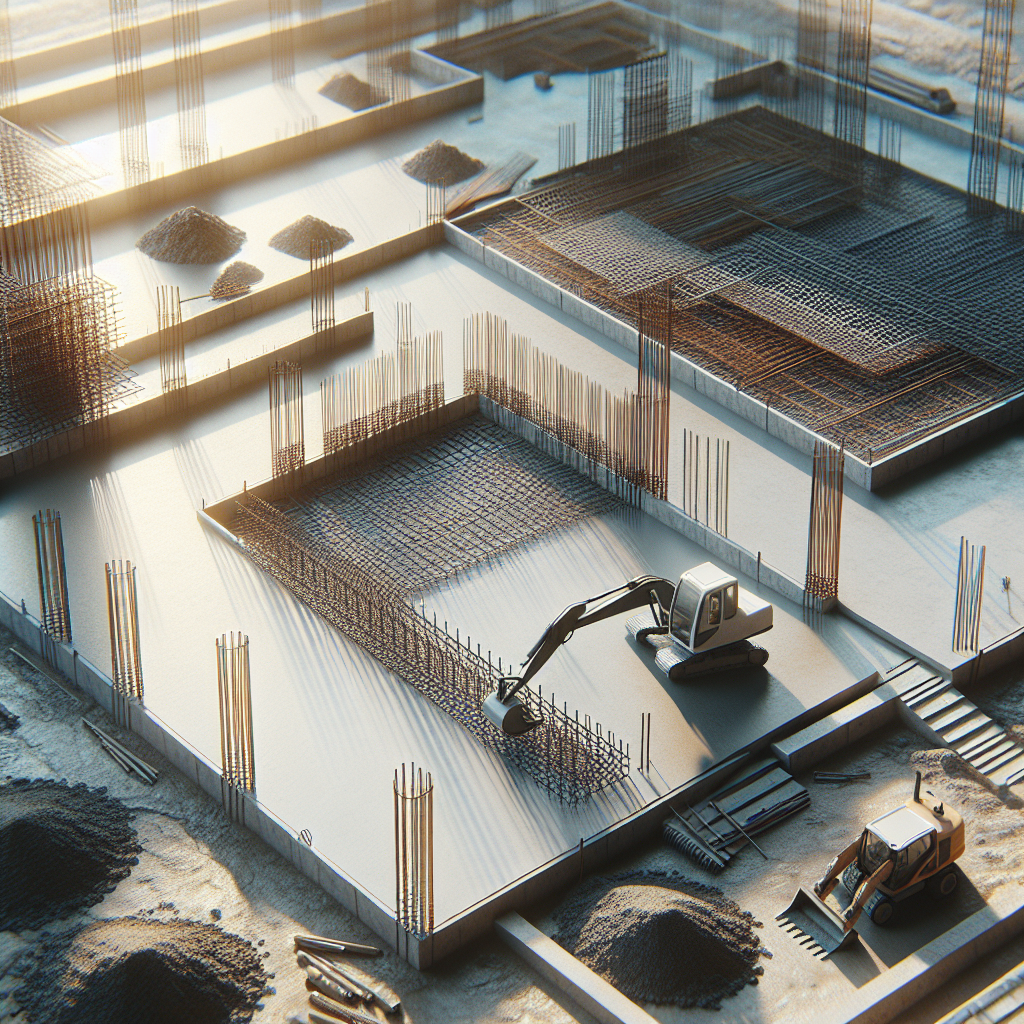
Building a new home starts with a foundation, and understanding likely prices helps shape realistic budgets. A 1200 sq ft foundation cost varies widely, but breaking the numbers down makes the totals less surprising.
This article explains typical price ranges, what drives costs up or down, and common foundation types for a house of this size. Read the breakdown to compare options and spot where you can save without risking quality.
Cost breakdown: typical ranges and math
Costs are usually shown as a per-square-foot number and then multiplied by the house area. For a 1200 sq ft home, average per-square-foot prices give a quick estimate but don’t tell the whole story.
Below are common cost bands and key line items to expect. All numbers are estimates; local quotes will vary.
Base materials
Concrete, rebar, and forms make up most material costs. Ready-mix concrete prices fluctuate, but for a 1200 sq ft slab you can estimate a moderate sum that grows if thicker slabs or added reinforcement are needed.
Labor and equipment
Labor is a large portion of the bill. Skilled crews, formwork setup, and finishing take hours. Heavy equipment rental for excavation and compaction appears as a separate line in many bids.
Excavation and site prep
Clearing, digging, and hauling spoil can add significantly to cost when soil is poor or the lot grade is steep. Soft soils or deep footings mean more excavation time and higher charges.
Permits and testing
Permit fees, soil tests, and engineering reviews are smaller line items but required. Expect variations based on local regulations and the complexity of the soil report.
Factors that affect the final price
Several predictable factors change the cost more than the home size alone. Knowing them helps you compare quotes and plan contingencies.
Below are the main cost influencers and how they typically shift the total.
Soil and drainage
Rocky or clay-heavy soil forces more excavation or special footings, raising prices. Poor drainage may require waterproofing or added drainage systems around the foundation.
Topography and access
Steep lots or limited access increase hauling time and machinery setup costs. A flat, open lot is the least expensive scenario because crews work faster with fewer obstacles.
Climate and frost depth
Colder regions need footings below frost lines, which increases excavation and concrete volume. Wet climates may demand additional waterproofing and insulation.
Design complexity
Architectural features like stepped foundations, retaining walls, or irregular footprints require more labor, formwork, and materials than a simple rectangular slab.
Common foundation types and what they typically cost
Choosing the right foundation type depends on soil, budget, and how you plan to use the space beneath the home. Each type has different cost and performance profiles.
Estimates below are broad ranges for a 1200 sq ft home, including typical material and labor but excluding unusual site conditions.
Slab-on-grade
Slab foundations are poured concrete at ground level. They are often the least expensive and fastest to build.
- Typical cost per sq ft: $4 – $8
- Estimated total for 1200 sq ft: $4,800 – $9,600
- Best when ground is stable and frost requirements are minimal
Crawlspace
Crawlspace foundations lift the house a few feet above grade, creating a shallow access area. They cost more than slab but allow easier access to plumbing and wiring.
- Typical cost per sq ft: $6 – $10
- Estimated total for 1200 sq ft: $7,200 – $12,000
- Requires ventilation or conditioned space solutions in damp areas
Full basement
Basements provide finished or unfinished living space but are the most expensive foundation type due to deeper excavation and more concrete.
- Typical cost per sq ft: $10 – $25
- Estimated total for 1200 sq ft (footprint basis): $12,000 – $30,000+
- Higher costs if waterproofing, insulation, and finished walls are included
Piles and pier foundations
Needed where soils can’t support spread footings. Steel or concrete piles transfer loads to deeper strata and involve specialized installation.
- Costs vary widely: $15,000 – $40,000+ depending on depth and pile type
- Used on waterfront sites or very soft soils
How to estimate a realistic budget
A practical budget starts with a baseline estimate and adds contingency for unknowns. Use local per-square-foot rates, then adjust for site-specific items.
Here’s a step-by-step approach to build a reasonable number to present to contractors or lenders.
Step 1: Pick a baseline per-square-foot rate
Choose a rate from the ranges above that best matches your area and foundation type. Urban areas or busy seasons will push rates upward.
Step 2: Add known extras
Include estimated fees for excavation beyond normal depth, rock removal, engineered footings, and waterproofing. These add predictable sums to the baseline.
Step 3: Allow contingency
Set aside 10–20% of the foundation budget for surprises like bad rings of soil, unforeseen rock, or permit delays. This reduces the chance of running short mid-project.
Step 4: Compare multiple quotes
Get at least three detailed bids. Look for clear breakdowns of material, labor, equipment, and extra charges rather than a single lump-sum figure.
Cost-saving tips without cutting quality
It’s possible to reduce the foundation bill by making careful early choices. Saving money on the foundation is smart only if it doesn’t compromise long-term durability.
Below are practical ways to keep costs down while protecting the structure.
Optimize the footprint
Simpler shapes have less perimeter and require less formwork. Square or rectangular plans are usually cheaper than irregular layouts.
Control water and grading early
Proper site grading and drainage before pouring reduces later waterproofing needs. Addressing water issues early is cheaper than retrofits.
Bundle work and time it well
Scheduling foundation work during the contractor’s slower season can yield better pricing. Combining tasks, like excavation for foundation and landscaping, may reduce duplication of equipment rental fees.
Choose durable local materials
Using local concrete mixes and locally sourced rebar can cut transport costs. Ask suppliers about mixes that meet structural needs without premium additives unless necessary.
Conclusion
Estimating a 1200 sq ft foundation cost starts with the foundation type and per-square-foot rates, then expands to include soil, access, and permit factors. Slab foundations are usually cheapest, basements the most expensive.
Gather local bids, plan for contingencies, and address drainage and grading early to avoid surprises. With careful planning you can get a reliable foundation without unnecessary overspending.
Frequently Asked Questions
How much does a 1200 sq ft foundation cost on average?
On average, expect a range from about $4,800 for a simple slab to $30,000 or more for a full basement. Most mid-range projects (crawlspace or reinforced slab) land between $7,000 and $12,000.
What is the cheapest foundation option?
Slab-on-grade is typically the least expensive option if the soil is stable and frost depths are not an issue. It saves on excavation and framing costs compared with basements and crawlspaces.
Should I worry about soil tests?
Yes. A soil test identifies load-bearing capacity and groundwater conditions. Skipping it risks costly changes later if unexpected conditions are found during excavation.
How much contingency should I budget?
Set aside 10–20% of the foundation estimate for surprises. Complex sites or older lots with unknown utilities may need a larger contingency.
Will weather affect the schedule and price?
Weather can delay pours or require protective measures that add cost. Freezing temperatures, heavy rain, or extreme heat often require schedule changes and temporary site protection.