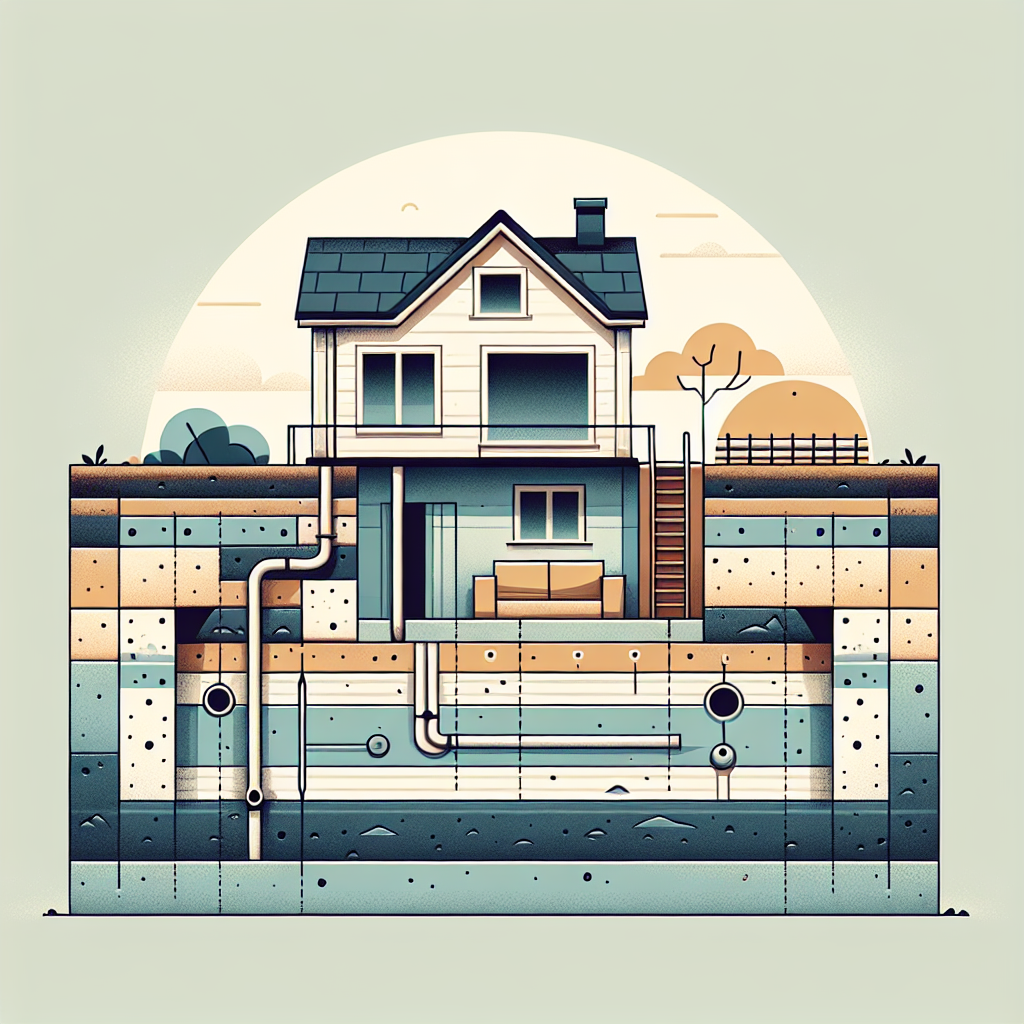
Building a compact home well starts beneath the floor. A thoughtful foundation keeps the structure stable, reduces future repairs, and controls moisture and heat loss.
This article lays out practical options and clear considerations so you can choose a durable, cost-aware approach that matches your site conditions and climate.
Assessing the site and soil
Before any design choice, understand the ground you’re building on. Soil type, slope, and water behavior determine which foundations will last and which could fail.
Simple checks and a basic soil report can save money and avoid surprises later.
Why soil matters
Clay, silt, sand and rock behave very differently under load. Clay can swell and shrink with moisture changes, while sand drains well but may shift if loose.
Soil bearing capacity affects footing size. A weak site needs broader or deeper foundations to spread loads safely.
Quick site checks
Observe standing water, vegetation types, and nearby slopes. Look for soft spots or recent fills that could settle.
Where possible, dig trial pits or hire a geotechnical test to confirm subsurface layers and groundwater levels.
Overview of common foundation types
Small homes have several reliable foundation options. Each has trade-offs in cost, thermal performance, and suitability to soil and climate.
Consider load, frost risk, drainage, and access to utilities when comparing them.
Shallow spread footings
Concrete footings that spread loads to the soil are a traditional choice. They work well on firm ground above frost depth.
Footings are paired with short stem walls or slabs to support walls directly and allow a crawl space when needed.
Slab-on-grade
A ground-level concrete slab is efficient and low cost when soil drains well and frost is minimal or mitigated.
Insulation under and around the slab improves energy performance and reduces the risk of frost heave.
Pier and beam
Piers transfer loads to deeper, stronger layers. Beams bridge piers to support the structure above a crawl space.
This can be a good choice on sloped sites or where shallow soils are unsuitable for continuous footings.
Helical and driven piles
Piles reach stable strata deep below poor surface soils. They can be cost-effective when only small loads need support or where access restricts heavy equipment.
These systems work in soft soils, wetlands, or sites with high groundwater.
Design considerations and load management
Designing a foundation is about matching loads to the soil and protecting the base from moisture and frost. Small houses still need careful calculation of point loads, wall loads, and concentrated loads from fireplaces or stair openings.
Addressing these early avoids costly changes during framing and finish work.
Load paths and bearing areas
Ensure vertical loads have a clear path to the ground. Concentrated loads require larger footings or additional reinforcement.
Simple calculations or a structural review will confirm footing widths and reinforcement needs.
Frost depth and freeze protection
In cold climates, foundations must sit below frost depth or use insulation to isolate the structure from freezing ground.
Options include deepened footings, insulating the perimeter, or using floating slab techniques to reduce frost heave risk.
Moisture control and drainage
Water is the most common cause of foundation problems. Grade the site to drain away from the house and provide reliable gutters and downspouts.
Perimeter drains and damp-proofing will help in sites with high water tables or clay soils that retain moisture.
Materials, insulation and thermal performance
Material choices affect durability and the home’s energy use. Concrete, masonry, treated wood and steel all serve different needs.
Thermal breaks and continuous insulation reduce heat loss and interior cold floors in temperate and cold climates.
Concrete options and mixes
Use mixes suited to exposure and local standards. Air-entrained concrete resists freeze-thaw cycles, and proper curing improves long-term strength.
Consider fiber reinforcement to reduce crack widths and traditional rebar where tensile forces occur.
Insulation strategies
Rigid foam under and around a slab limits heat loss and stabilizes the ground temperature. For crawl spaces, insulating the walls rather than the floor can keep the space within the conditioned envelope.
Continuous exterior insulation around stem walls reduces thermal bridging and helps prevent condensation inside the assembly.
Material durability
Choose materials that resist moisture, pests, and local chemical conditions. Treated wood, coated reinforcement, and proper barrier membranes add longevity.
Simple details like proper flashing at slab edges and sealed penetrations cut maintenance needs later.
Construction tips and site best practices
Careful execution matters as much as good design. Small errors during excavation, forming, or finishing concrete can lead to costly repairs.
Plan sequencing, verify dimensions, and keep the work area dry and compacted to avoid settlement.
Excavation and compaction
Remove unsuitable fill and compact subgrade in layers. Uniform compaction prevents differential settlement that leads to cracks and uneven floors.
Lightly wetting some soils before compaction helps achieve consistent density.
Control joints and crack management
Concrete will crack as it cures and as temperatures change. Place control joints at regular intervals to direct cracking and use proper joint depth and spacing rules.
Fiber reinforcement and welded wire mesh reduce crack width and improve serviceability for slabs.
Anchorage and seismic considerations
In areas of seismic risk, connect the structure securely to the foundation with anchors and continuous ties. Lateral loads need to be transferred back to the foundation safely.
Follow local codes for holdown requirements and shear wall anchorage to ensure resilience in shaking events.
Conclusion
Choosing the right foundation for a compact home requires matching soil conditions, climate, and budget to structural needs. Thoughtful early planning reduces surprises and extends the life of the house.
Prioritize site assessment, moisture control, and thermal continuity to create a stable, efficient base that supports healthy interiors and low maintenance over time.
Frequently Asked Questions
Is a slab-on-grade suitable for a small home?
Yes, when the soil drains well and frost risks are low or mitigated. Slabs are cost-effective and fast to build, and they work best with proper subgrade preparation and insulation.
How deep should footings be?
Footing depth depends on local frost depth and soil bearing capacity. In frost-prone regions, footings are placed below the frost line. Local building codes and a soil report will set the minimum depth.
What are signs of poor foundation performance?
Common signs include uneven floors, cracks in walls or finishes, sticking doors and windows, and moisture or mold in lower spaces. Early detection and repair limit long-term damage.
Can I save costs without risking durability?
Yes—focus spending on a proper soil assessment, drainage, and the right depth or insulation rather than on surface finishes. Correcting poor foundations later is usually far more expensive than getting the base right initially.