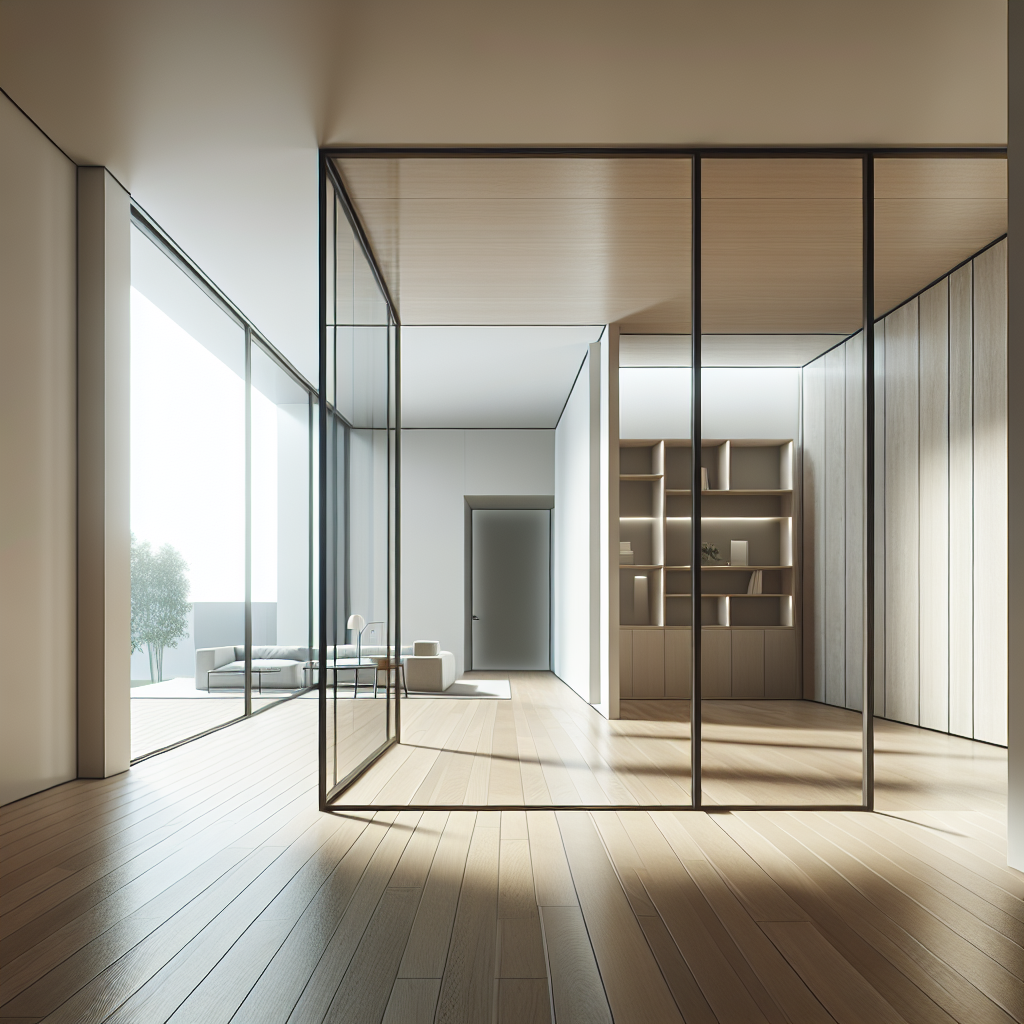
Sliding doors come in many sizes and styles, and picking the right one starts with clear measurements. This article breaks down common dimensions and the practical details that affect fit and performance.
Whether replacing an existing unit or planning a new opening, understanding widths, heights, overlaps and clearance will save time and money. Read on for practical tips and typical ranges to expect.
Common size ranges and what they mean
Most sliding doors follow a few predictable width and height ranges that fit standard openings. Knowing these ranges makes it easier to compare products and avoid surprises during installation.
Manufacturers list both nominal door sizes and the actual glass or sash dimensions. Nominal values describe the overall unit, while sash or panel sizes describe the moving pieces that occupy the opening.
Typical widths for single- and multi-panel doors
Single-panel sliding doors are rare for main entrances but common for narrow patios or terraces. Typical panel widths for residential patio systems range from 24 to 72 inches per sash.
More common are two- and four-panel systems. A standard two-panel sliding unit often comes in nominal widths of 60, 72, 96, and 120 inches. Each panel may be half the unit width or configured with one fixed and one operable panel.
Standard heights and headroom
Heights for residential sliding doors usually fall between 80 and 96 inches. The most common is 80 inches (6 feet 8 inches), matching many interior door heights and common ceiling layouts.
Taller options (e.g., 96 inches) are popular in modern builds with higher ceilings. Keep in mind that taller panels need more headroom and stronger tracks to prevent sag and ensure smooth operation.
Measuring the opening correctly
Accurate measurements are the foundation of a successful replacement or new installation. Small mistakes can lead to costly modifications later.
Measure both the rough opening and actual clearances around the opening. Differences between these numbers determine whether a standard unit will fit or if a custom size is needed.
Tools and basic steps
Use a good tape measure, level, and a helper if possible. Measure width at three points (top, middle, bottom) and height at three points (left, center, right).
Record the smallest width and the smallest height as the true opening size. Check for plumb and square by measuring diagonals; a large variance suggests the opening will need correcting before installing a new unit.
Allowance and clearance to plan for
Manufacturers often recommend 1/4 to 3/8 inch clearance on each side and top for shimming and adjustment. Bottom clearance must account for thresholds or floor transitions.
Also measure overhangs, trim, and nearby hardware. Track clearance and the swing of sliding panels require unobstructed space where the panels slide or stack.
Track, frame and overlap considerations
The way panels overlap and slide on the track affects visible sightlines, weather sealing and how much usable opening remains. Consider sash overlap, interlocks and the track profile.
Good tracks maintain alignment and drainage, while poor tracks can lead to binding, drafts and water intrusion. Choose a profile suited to expected traffic and exposure.
Sash overlap and sightlines
Sliding systems usually have an overlap between panels of 1 to 3 inches. Greater overlap improves weather protection but slightly reduces the clear opening width.
When measuring clear opening width, subtract the overlap area. For a two-panel system where each panel is 36 inches wide and overlap is 2 inches, the clear opening would be about 34 inches.
Track depth and floor clearance
Track depth affects threshold height and accessibility. Flush, low-profile tracks are better for barrier-free entries but may have different drainage needs.
Ensure the threshold and track can handle local weather. Outdoor applications often require tracks with built-in drainage channels to move water away from the interior.
Glass, frame materials and energy considerations
Glass type, frame material and sealing all influence thermal performance and noise control. These decisions also affect weight, which ties back to track strength and sash dimensions.
Energy ratings such as U-factor and solar heat gain coefficient (SHGC) help compare products. Local climate and orientation will guide which ratings matter most.
Common glazing options
Double glazing is the standard for most climates. Low-emissivity coatings and inert gas fills boost insulation without changing sizes.
Tempered or laminated glass is required in certain applications to meet safety codes, especially for large panels and doors near walkways.
Frame materials and their impacts
Aluminum frames are slim and strong but conduct heat. Thermal breaks can help. Vinyl frames are cost-effective and low-maintenance but may not be as slim.
Wood frames are attractive and insulative but require maintenance. Fiberglass offers a balance of strength, stability and low upkeep.
Accessibility, codes and special clearances
Accessibility standards affect threshold height, clear opening width and handle placement. If the doorway must meet accessibility requirements, plan dimensions accordingly.
Local building codes may mandate minimum widths or safety glazing depending on location and use. Always check code requirements before finalizing dimensions.
Minimum clear openings
Accessible doorways generally require a minimum clear opening width, often around 32 inches at the narrowest point when the door is open. Sliding systems must be checked for their actual clear opening after accounting for overlap and frame thickness.
Thresholds should be beveled and low to reduce tripping risk. Consider sill ramps or ADA-compliant thresholds when necessary.
Wind and structural loads
Large sliding panels face higher wind loads. In coastal or high-wind areas, units may need reinforcements, laminated glass or thicker frames. These requirements can limit maximum feasible dimensions.
Consult local wind-load maps or an architect/engineer for openings in exposed locations. The added strength can change the available clear opening and panel sizes.
Ordering custom sizes and avoiding common mistakes
Custom sizes are often necessary when openings are out of square or when unique design choices are in play. They increase lead time and cost but can solve fit problems without major framing work.
Before ordering, double-check measurements and confirm who will handle on-site adjustments if the opening changes during rough framing or finishing.
Common sizing errors to avoid
- Using only the largest measurement instead of the smallest across width and height.
- Forgetting to account for panel overlap when calculating clear opening.
- Ignoring headroom or floor level differences that require special track components.
- Not checking local code requirements for minimum clearances and safety glazing.
Practical tips when ordering
Specify finish, frame depth, and whether the unit will have fixed or operable sidelites. Clarify who provides trim and flashing to avoid gaps during installation.
Ask suppliers about adjustment ranges built into the frame. Some units offer wider shim ranges which makes on-site fitting easier if the opening is slightly off.
Maintenance and performance over time
Regular maintenance keeps sliding doors operating smoothly and preserves insulation performance. Size itself doesn’t determine longevity, but larger panels do need more careful tracking and support.
Inspect rollers, tracks and weatherstripping annually. Replace worn rollers and damaged seals promptly to avoid further wear on the unit.
Roller and track care
Keep tracks clear of debris and clean them periodically. Lubrication with a silicone-based product can help rollers move freely without attracting dirt.
If a panel sticks or binds, check for frame twist or sag. Small adjustments to roller height can often bring panels back into smooth alignment.
Seal and glass upkeep
Check seals around the perimeter of the sash and the glazing stops. Replace compressed or torn seals to maintain thermal and acoustic performance.
For insulated units, watch for condensation between panes which indicates a failed seal. That unit will usually need glass replacement or a new sash.
Conclusion
Choosing the right sliding door size involves more than picking a width and height. Track design, overlap, frame material and local codes all shape the final decision.
Measure carefully, understand the clear opening after overlap, and match glass and frame choices to climate and use. With accurate info up front, the right unit will fit and perform well for years.
Frequently Asked Questions
Below are common questions about measuring and choosing sliding doors, answered in clear terms to help with planning.
What is the most common residential sliding door height?
The most common height is 80 inches. Taller options like 96 inches are available and popular in homes with higher ceilings, but they may require reinforced tracks.
How much overlap do sliding panels usually have?
Overlap commonly ranges from 1 to 3 inches. More overlap improves weather sealing but reduces the clear opening width slightly.
Can I install a standard unit in an irregular opening?
Small irregularities can often be corrected with shims and trim, but significant out-of-square openings may need custom units or framing work to ensure proper operation and sealing.
Do taller doors need special tracks?
Yes. Taller or heavier panels place more stress on tracks and rollers. Look for heavy-duty tracks, extra rollers, or reinforced frames to prevent sag and ensure smooth movement.
How much clearance should I allow at the threshold?
Allow enough clearance for the track and any floor finish. Many manufacturers recommend a small recess for the track and a threshold height that balances water resistance with accessibility.
Will replacing glass change the door dimensions?
Replacing only the glass typically does not change sash dimensions, but if you change to thicker insulating glass or add laminated layers, confirm the sash and glazing stops can accept the new thickness.