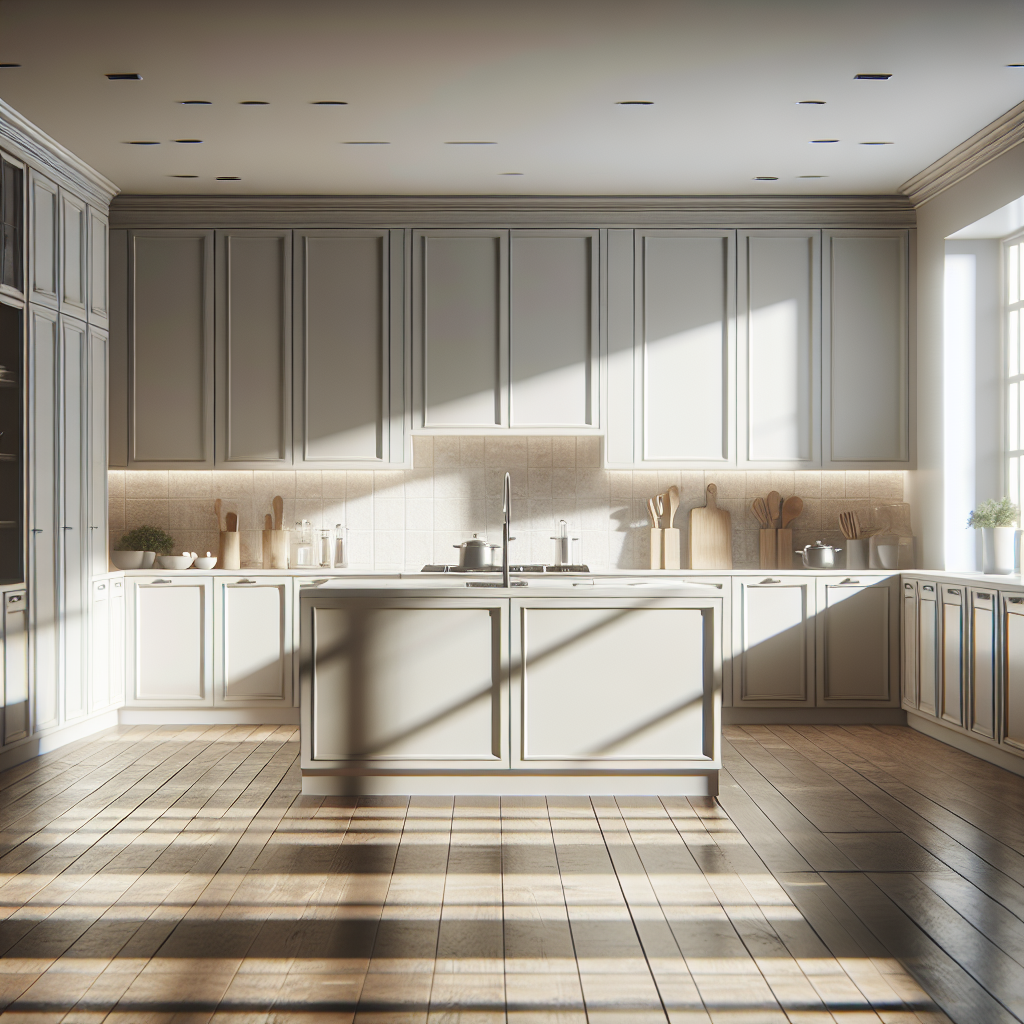
When laying out a kitchen, cabinet sizes set the rhythm of the space. Knowing the most common base cabinet dimensions helps you estimate storage, plan appliance gaps, and set comfortable working heights.
This article explains typical widths, depths, heights, and useful variations you’ll see in modern kitchens. It also covers planning tips to keep the space practical and comfortable.
Common base cabinet widths and how they fit a layout
Base cabinets come in a limited range of widths to make planning straightforward. Manufacturers use modular increments so cabinets line up neatly and appliances slot into standard openings.
Standard cabinet widths
Typical widths are measured in inches and most commonly include 9, 12, 15, 18, 24, 30, 33, 36, and 48. The 24- and 30-inch units are widely used for sinks and base storage, while 36- and 48-inch units appear less often due to weight and transport limits.
Choosing widths for storage needs
Pick narrower units to create flexible storage and more drawer faces. Wider units reduce the number of joints and can accommodate larger pull-out systems, but they may be heavier and harder to access if deep.
Adjusting for appliances and clearances
When planning around dishwashers, ranges, or refrigerators, leave the recommended gap plus shims for leveling. Many installers add 1/4 to 1/2 inch to a cabinet opening to allow room for adjustment and panel thickness.
Standard depths and countertop overhangs
Depth determines how far a cabinet pushes into the room and affects countertop overhang and toe kick design. Depth choices balance storage capacity with walkway space.
Typical cabinet depths
Base cabinets usually come in a 24-inch depth, measured from the back to the front of the cabinet box. With a countertop overhang, the overall depth often reaches 25 to 25.5 inches.
Shallow and deep options
Some cabinets come in 21-inch shallow depths for narrow galley kitchens or pantry aisles, while custom cabinetry can be deeper to create built-in seating or appliance garages. Deeper units reduce aisle width, so weigh storage gains against circulation needs.
Countertop overhang and edge alignment
Standard overhangs of 1 to 1.5 inches keep the countertop aligned with the cabinet face. Islands or breakfast bars often have larger overhangs to allow knee space, typically 12 to 15 inches for seating areas.
Height standards, toe kicks, and ergonomic considerations
Height affects comfort and ergonomics at prep areas and around sinks. There are industry norms but small shifts can make a big difference in daily comfort.
Standard base cabinet height
Most base cabinets are 34.5 inches high without countertop. Add a 1.5-inch countertop and the total height becomes 36 inches, which suits many adults for general food prep tasks.
Adjustments for comfort
If you do a lot of chopping, adding 1 to 3 inches can reduce back strain. Taller users may prefer counters at 38 to 40 inches. Consider the primary cooks in the household when choosing a nonstandard height.
Toe kick size and placement
A toe kick is usually 4 inches high and 3 inches deep. This recess gives room for feet when standing close to the counter. For accessible designs, the toe kick can be minimized or adjusted to suit wheelchair approaches.
Planning cabinets around islands and appliances
Islands change how cabinets are used: they can be storage, prep zones, seating, or a mix. Appliances require specific openings and clearances to operate safely and conveniently.
Island cabinet sizing
Islands commonly use the same base cabinet depths as run cabinets but are often built as a bank of units to create a continuous surface. For seating, plan at least 24 inches of depth for knee clearance, plus overhang.
Appliance openings and spacing
Ranges and cooktops usually need openings that match standard widths, often 30 or 36 inches. Refrigerators and dishwashers need clearances indicated by manufacturers; include space for door swing and ventilation.
Work triangle and traffic flow
Keep a clear path between sink, cooktop, and refrigerator. Allow at least 42 inches of walkway in a one-cook kitchen and 48 inches where two people work together. Position islands so they don’t block major paths.
Materials, construction details, and customization basics
Cabinet function depends as much on construction as on size. Box type, face frame, drawer hardware, and joinery all affect longevity and usability.
Box types and materials
Common box materials include plywood, MDF, and particleboard. Plywood boxes resist humidity and are lighter than solid wood. Door materials and finishes vary widely, so match the style with expected use and moisture exposure.
Drawer and shelf planning
Drawers should match cabinet widths: single wide drawers work well in 18- or 24-inch cabinets, while 30- or 36-inch bases may be split into multiple drawers to better store pots and pans. Adjustable shelves add flexibility for small appliances and taller items.
Custom sizing and when it pays off
Custom widths or heights can help around odd framing, stairwells, or to create built-ins. Custom units let you maximize storage in tight spots but cost more than stock options. Use custom only where stock sizes force awkward gaps or compromise function.
Cost, installation tips, and common mistakes to avoid
Cabinet costs vary by size, material, and finish. Even modest changes in width, depth, or height can affect price and delivery complexity.
Budgeting by cabinet type
Stock cabinets are the most economical and come in the standard sizes discussed above. Semi-custom models let you tweak sizes in small increments, while custom cabinets are built to exact dimensions.
Installation considerations
Installers level cabinets and use shims to handle uneven floors. Leave space for plumbing and electrical work before finalizing cabinet placement. Always confirm appliance specs early so openings match.
Common planning errors
- Assuming walls are perfectly straight — floors and walls often need adjustments.
- Overlooking door or drawer swing into traffic paths.
- Forgetting space for plumbing valves behind sink cabinets.
Conclusion
Understanding typical base cabinet widths, depths, and heights makes kitchen planning much smoother. Standard dimensions give a predictable framework, while selective changes let you tailor ergonomics and storage to your needs.
Measure carefully, account for appliance clearances, and think about how people will move through the room. Small adjustments during planning prevent costly changes later and make the space more pleasant to use.
Frequently Asked Questions
Below are short answers to common sizing questions that come up when arranging base cabinets and countertops.
What is the most common base cabinet width?
The 24-inch base cabinet is one of the most common sizes because it fits under a standard sink and offers good storage without being too wide for a single base section.
How deep should base cabinets be?
Standard depth is 24 inches for the cabinet box, with the countertop typically adding another inch or so. Shallow 21-inch boxes are used when aisle space is tight.
What height is best for countertops?
Most countertops sit around 36 inches high when the cabinet, countertop, and any platform are combined. Adjustments of 1 to 3 inches up or down help match the height to the primary user’s comfort.
Can I mix cabinet widths in a run?
Yes. Mixing narrow and wide units creates flexible storage and more drawers, but aim to keep cabinet faces aligned and plan for filler pieces at edges to maintain a clean look.
Are custom cabinet sizes worth the extra cost?
Custom units are valuable when you need to fill an unusual space or want exact ergonomics. For most straightforward layouts, stock or semi-custom units give good value and plenty of flexibility.