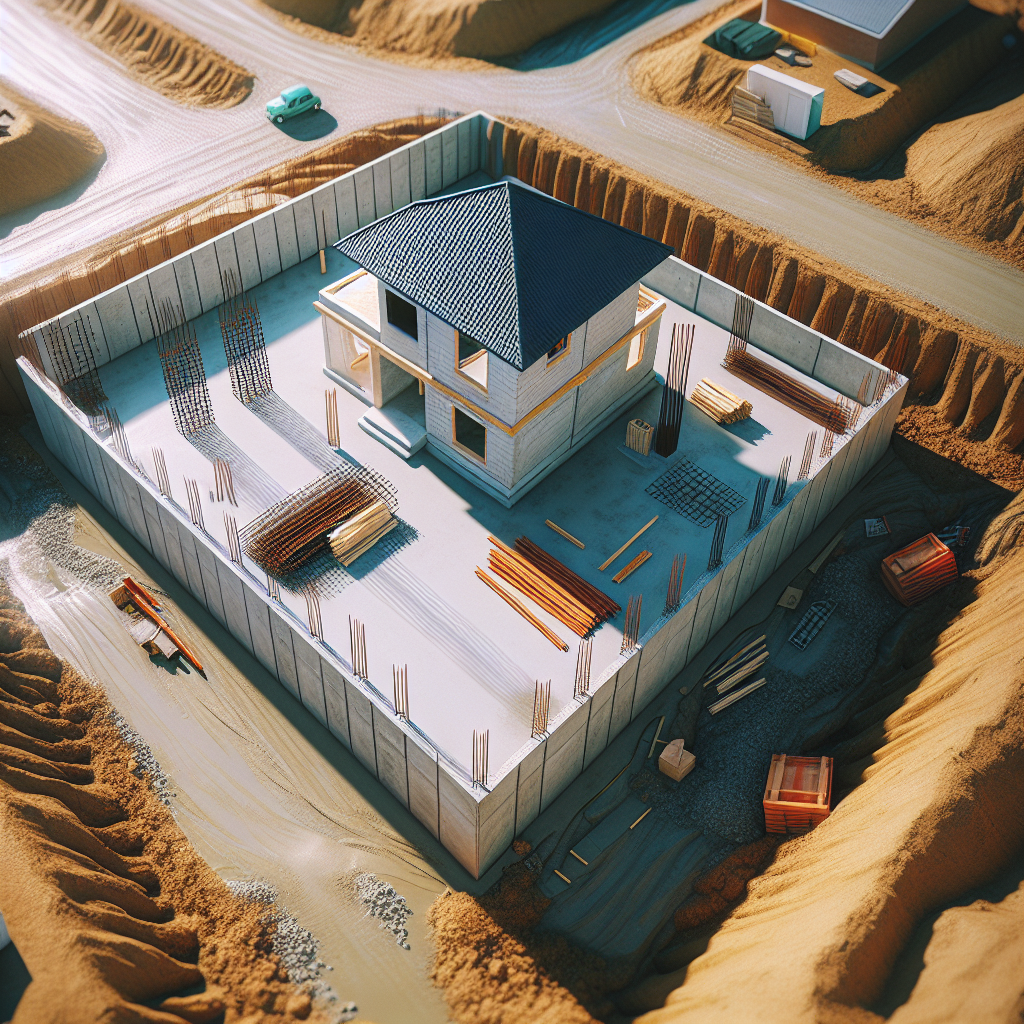
Planning the foundation for a 1000 sq ft house means balancing strength, site conditions, and budget. Costs vary widely, but knowing the main drivers helps you build a realistic number to work with.
This article explains the typical expenses you can expect, how each factor affects price, and simple ways to compare quotes. It will help you avoid surprises during early bidding and planning.
What influences foundation cost
Foundations are not just concrete and dirt. Soil type, local code, climate, and access to the site all change labor and material needs. Even small differences in depth or reinforcement can shift the price significantly.
Contractor experience and local labor rates also matter. Two bids for the same footprint can differ by 15 to 40 percent depending on methods and overhead.
Soil and site conditions
Soil that is soft, expansive, or full of organic matter needs more work. That might include extra excavation, compacting, or adding engineered fill. Rock can raise costs because of blasting or heavy equipment.
Design and load needs
Heavier roof systems, extra stories, or large openings require stronger footings and more rebar. A basic slab-on-grade is cheaper than a full basement or a crawl space with deep footings.
Local codes and inspections
Permit fees, required inspections, and seismic or frost-depth requirements vary by area. Meeting stricter standards increases material and labor costs but protects long-term value.
Typical cost breakdown for a 1000 sq ft foundation
Below are common items you will see on estimates. Percentages are rough and will change with local pricing and site specifics.
- Excavation and grading: 10-20%
- Concrete and forming: 30-45%
- Reinforcement (rebar, mesh): 5-15%
- Waterproofing and drainage: 5-15%
- Labor and equipment: 20-40%
- Permits and testing: 1-5%
Slab-on-grade examples
A simple slab-on-grade foundation for a small home often costs the least. It requires less excavation and fewer forms. In many regions, a basic slab can be the most cost-effective choice for a 1000 sq ft footprint.
Crawl space and basement costs
A crawl space adds walls and vents and means more concrete and labor. A full basement is the most expensive option. Expect a basement to add 30-80 percent more to foundation costs versus a slab, due to deeper excavation, wall pours, and waterproofing.
Regional cost ranges and labor factors
National averages can be helpful, but region changes everything. Labor rates, material availability, and local codes push a number up or down.
Expect urban areas or places with high living costs to be at the top of any range. Rural locations might be cheaper for labor but more expensive for hauling materials.
Sample regional ranges
These are example ranges in US dollars for a typical 1000 sq ft home. They are rough and meant to help set expectations, not replace a local estimate.
- Low-cost areas: 5,000 to 10,000
- Mid-cost areas: 10,000 to 18,000
- High-cost areas: 18,000 to 35,000+
Factors that raise local price
Limited site access, short construction seasons, or high demand for concrete can push prices higher. Conversely, competition and nearby suppliers can bring bids down.
Common line items and what they include
Understanding each line on an estimate helps spot padding or missing items. Some bids show a few big numbers, others give detailed lists. Both can be valid, but detail lets you compare properly.
Here are the most common line items and what they usually cover.
Excavation and site prep
This covers clearing, digging to required depth, removing excess soil, and any grading needed to direct water away. Extra costs appear if you need rock removal, deep fills, or retaining walls.
Concrete, forms and finishing
Concrete price depends on mix, volume, and whether pumps are needed. Forms and finishing include building temporary molds and smoothing surfaces. Thicker footings or higher-strength mixes cost more.
Reinforcement and anchors
Rebar, wire mesh, and anchor bolts strengthen the foundation. More reinforcement is needed for heavy loads, seismic areas, or where the soil has low bearing capacity.
Waterproofing, drainage and insulation
Membranes, drainage tiles, and protective coatings defend against moisture. In cold climates, rigid foam insulation around the perimeter can prevent frost damage but adds cost.
Tests and permits
Soil tests, concrete strength tests, and permit fees are usually modest parts of the total, but skipping them is risky. Inspections ensure the work meets local rules and reduces future repair costs.
Practical ways to compare quotes and cut costs
When you have multiple bids, use a checklist to compare apples to apples. Look for hidden costs and different assumptions about materials or site work.
Certain choices can save money without reducing safety. Others may look cheaper now but cost more down the road.
Compare unit prices
Ask contractors for unit prices like cost per cubic yard of concrete or per linear foot of footing. Unit prices show where a large difference is hiding.
Limit costly extras
Plan minimal changes during work. Adding features mid-job, like deeper footings or more drains, doubles many costs because of rework and delays.
Choose the right foundation type
Match the foundation to your design and site. If a slab is structurally fine, it is often the most affordable. If you need storage or mechanicals, a crawl space can be a middle option.
Bundle with other trades
Sometimes a contractor will give a better price if they also do related work, like concrete flatwork or site grading. But watch for loss of competition; always check references.
Conclusion
Estimating the foundation for a 1000 sq ft home means weighing soil, local rules, design needs, and labor costs. The right numbers come from local quotes plus clear understanding of each line item.
Save money by comparing detailed bids, using proper unit prices, and choosing the foundation type that fits both the site and the home design. Planning ahead helps avoid costly changes once work begins.
Frequently Asked Questions
How much does a simple slab typically cost?
A straightforward slab-on-grade in many mid-cost regions often falls in the lower part of the ranges listed earlier. Expect the slab itself to be a major portion of the foundation budget, with prices driven by concrete volume and labor.
When is a basement worth the extra expense?
A basement adds living or storage space and can raise resale value in many markets. It makes sense when the land cost is high or when you need the extra square footage. Expect significantly higher foundation and waterproofing costs.
Can I get a reliable estimate without a soil test?
A ballpark estimate is possible, but a soil test reduces risk. Tests reveal bearing capacity, water table depth, and other issues that change footing size and drainage needs. Skipping tests may lead to surprises and change orders.
Do foundation warranties cover future settlement?
Warranties vary. Many cover workmanship and materials for a set period, but not all cover natural settlement or issues from later landscaping and drainage changes. Read warranty details carefully.
How long does foundation work usually take?
For a 1000 sq ft home, foundation work might take one to three weeks for a slab, and two to six weeks for crawl spaces or basements, depending on weather and site conditions. Delays come from inspections, rain, and subcontractor schedules.