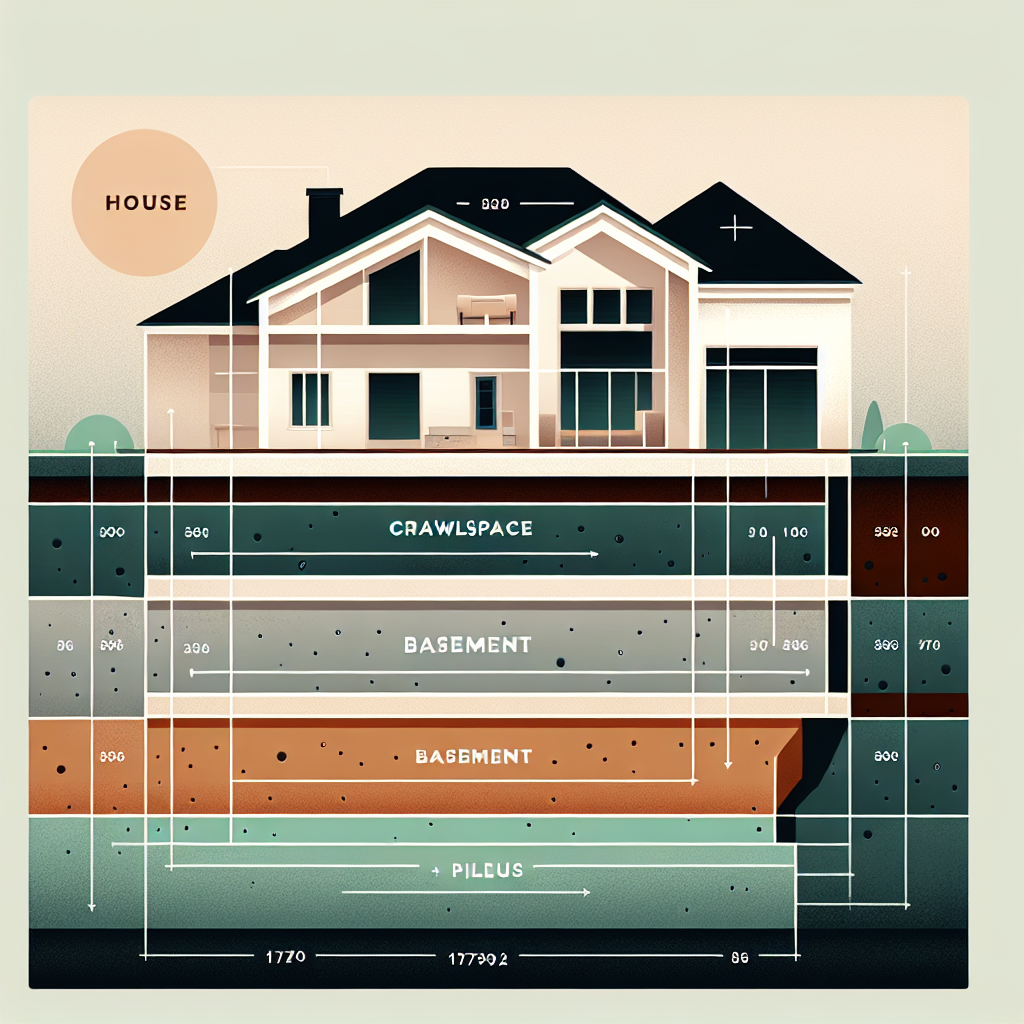
Picking the correct base under a building matters more than many owners expect. A well chosen foundation prevents cracks, moisture issues, and costly repairs over time.
This article breaks down key factors and common options so you can assess which foundation type fits your site, budget, and long term needs.
What shapes a smart foundation decision
Several straightforward factors steer the choice of foundation on any property. Soil behavior, local climate, the weight of the structure, and budget limits are all in play.
Understanding these elements helps narrow options and sets realistic expectations about costs and maintenance.
Soil and ground conditions
Soil type dictates bearing capacity and movement risk. Clay swells and shrinks with moisture, while sand drains quickly but may need compaction.
A simple site inspection will reveal obvious issues, but a soil test gives the details needed to pick a stable solution.
Climate and water management
Freeze and thaw cycles, heavy rainfall, and groundwater levels affect how deep and robust a foundation must be. Areas with deep frost require foundations that resist heaving.
Proper grading, drainage, and waterproofing should be considered alongside the foundation choice.
Structure type and load
The size and weight of the building influence whether a shallow slab, a deep footing, or piles are best. Multi-storey homes and heavier materials need foundations with higher load capacity.
Even garages and sheds benefit from matching foundation strength to expected loads.
Budget and lifecycle costs
Initial build cost is one thing; long term maintenance and energy performance matter too. Some options cost less upfront but require more upkeep over decades.
Factor in potential repairs, insulation needs, and how the foundation interacts with HVAC and plumbing when estimating lifetime cost.
Common foundation options and where they fit
There are a few widely used foundation types, each with clear advantages and trade offs. Knowing these will help you compare options on equal footing.
Below are plain descriptions, typical use cases, and pros and cons to consider.
Slab on grade
A concrete slab poured directly on compacted ground is fast to build and common in mild climates. It keeps construction simple and reduces crawlspace pests.
- Pros: Lower cost, quick construction, minimal space for pests.
- Cons: Poor under areas with deep frost, repairs require cutting concrete, limited access to utilities under floor.
Crawlspace
A raised floor over a short foundation wall or piers creates a crawlspace that allows access to plumbing and wiring. It raises the home off the ground for better damp control.
- Pros: Easier access to utilities, improved ventilation, good in areas with moderate moisture.
- Cons: Requires proper ventilation and moisture control, can be vulnerable to pests and cold floors if not insulated.
Basement
Basements provide living or storage space below grade and increase usable square footage. They require deeper excavation and waterproofing but add value.
- Pros: Extra usable space, good for storage or living areas, increased resale value.
- Cons: Higher cost, must manage groundwater and moisture, potential for radon or dampness if not sealed.
Pile and pier foundations
Piles or deep piers transfer loads to stable soils or bedrock below weak surface layers. They are common on wetlands, steep slopes, or sites with poor shallow soils.
- Pros: Effective where shallow soils are unsuitable, adaptable to uneven sites.
- Cons: Higher cost, requires specialized equipment, may need engineered design.
How to evaluate your property before choosing
Start with straightforward checks, then bring in specialists when conditions are uncertain. Early investment in testing pays off by avoiding mismatched solutions.
Here are practical steps to follow on most projects.
Visual site scan
Look for drainage patterns, slope direction, standing water, and nearby vegetation. These signs often reveal moisture behavior and possible erosion risks.
Note any cracks in existing structures, leaning trees, or exposed roots that suggest shifting ground.
Soil testing basics
A geotechnical report explains bearing capacity, depth to hard strata, and shrink swell potential. For modest projects, a limited test can be enough; larger builds need a full report.
Ask what the report recommends for footings, drainage, and frost protection.
Local rules and utilities
Municipal building codes, setback rules, and utility locations shape foundation choices. Some areas mandate minimum footing depths or specific waterproofing methods.
Locate underground services before digging and confirm any permit requirements early on.
Costs, schedule, and maintenance expectations
Budgeting a foundation involves more than material and labor. Access, earthmoving, and the need for specialized crews drive price variations.
Understanding likely lifecycle maintenance helps prevent surprises after construction is complete.
Typical cost drivers
- Excavation depth and rock removal increase cost quickly.
- Soil remediation like compaction or replacement adds to time and expense.
- Waterproofing, insulation, and drainage systems are often necessary and not optional in wet areas.
- Remote sites with limited access mean higher mobilization charges for equipment.
Timeline expectations
A simple slab can be ready in days, while basements and piled foundations may take weeks. Weather delays and permit processing can extend schedules.
Plan foundation work early in the project timeline, since framing and services depend on it.
Maintenance over time
Inspect foundation walls and slabs for cracks annually. Address drainage issues and keep gutters functioning to prevent water pooling near the base.
Minor cracks are common; handle them quickly to avoid larger structural problems later.
Design details that improve performance
Small choices in materials and detailing can significantly extend the life and comfort of a foundation. Focus on waterproofing, insulation, and drainage.
These elements affect energy efficiency, indoor air quality, and the cost of future repairs.
Waterproofing and drainage
Exterior waterproof membranes, drainage boards, and gravel drains near footings move water away and reduce hydrostatic pressure on walls.
Combine perimeter drains with proper grading to send surface water away from the structure.
Insulation choices
Insulating the slab edge or basement walls reduces heat loss and can make lower levels comfortable year round. Rigid foam is commonly used and must be rated for below grade conditions.
Insulation also helps protect against freeze damage in colder climates when placed correctly.
Handling utilities and penetrations
Plan utility routes before pouring concrete. Proper sleeves and seals prevent leaks and make maintenance less disruptive.
Penetrations should be detailed to maintain waterproofing and thermal continuity.
Conclusion
Choosing a foundation type combines site realities, building needs, and budget considerations. A solution that fits these factors reduces future risk and expense.
Take time to inspect the site, review soil findings, and weigh short and long term impacts. Thoughtful decisions at this stage pay off over the life of the building.
Frequently Asked Questions
How do I know if my soil needs special treatment
Look for signs like poor drainage, cracking in nearby structures, or visible layers of fine clay. A basic soil test reveals bearing capacity and shrink swell potential. When in doubt, a geotechnical specialist can recommend specific measures.
Is a basement worth the extra cost
Basements add usable space and often increase resale value, but they require more excavation and waterproofing. They can be worth it if you need extra living or storage area and are prepared to manage moisture risks.
Can a slab work in colder regions
In colder climates, slabs need frost protection like deeper footings, insulation, or frost protected shallow foundations. Without these features, frost heave can damage the slab.
When are piles or piers necessary
Piles or piers are used when shallow soils are weak, compressible, or prone to movement. They transfer loads to stable layers and are common on soft ground, near water, or on steep slopes.
How much does waterproofing add to a foundation cost
Costs vary by method and site conditions. Exterior membranes and drains add more upfront than interior sealers, but exterior solutions typically perform better long term. Expect waterproofing to be a meaningful portion of foundation costs in wet areas.
What are common signs of foundation problems
Doors and windows that stick, cracks in walls or floors, uneven floors, and gaps between walls and ceilings are red flags. Early inspection can often limit repair scope and expense.