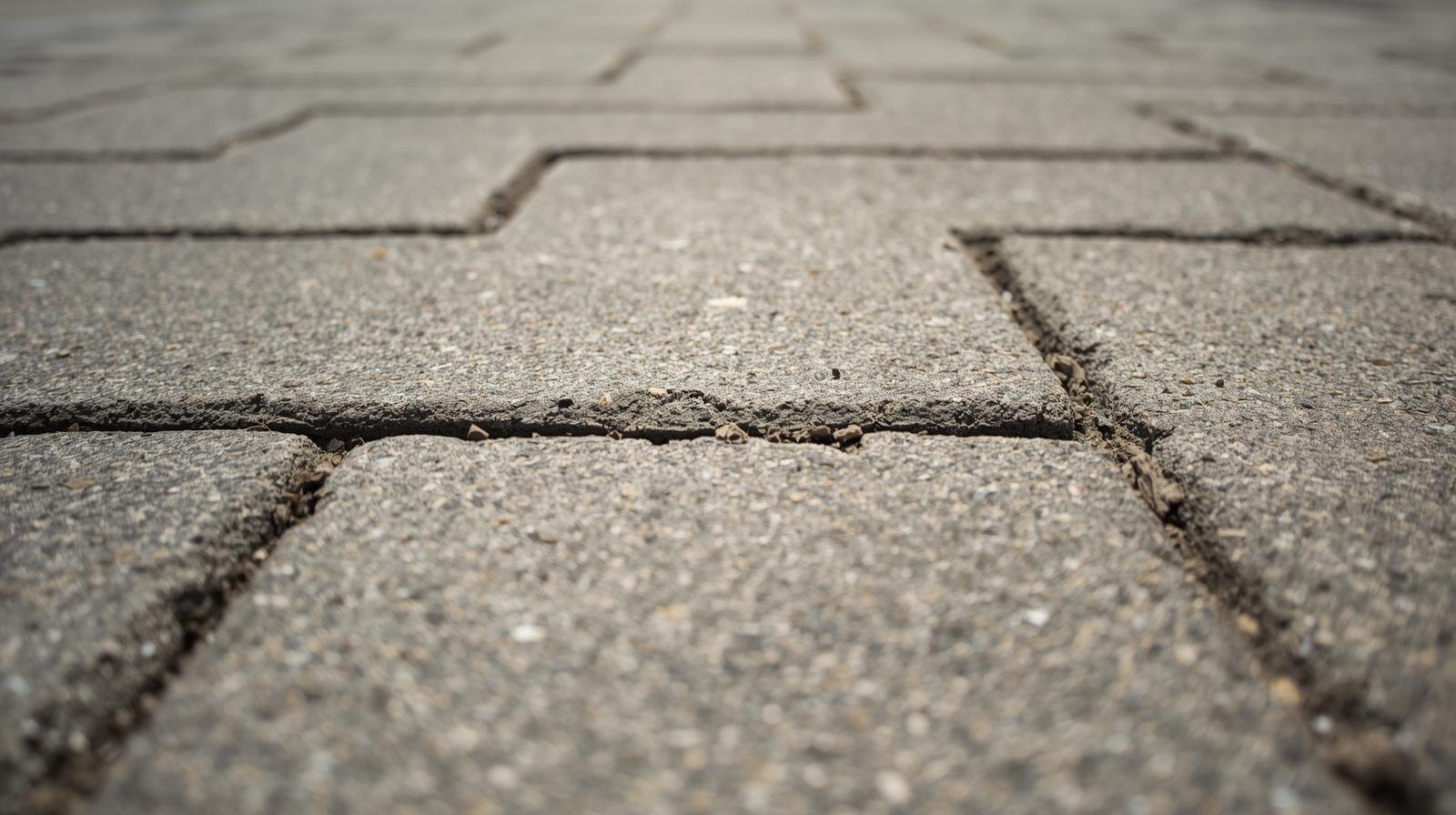
Rigid pavement is a road construction system made using cement concrete slabs that distribute vehicle load over a wide area of soil. Unlike flexible pavement, rigid pavement does not bend under traffic because concrete has very high stiffness. Due to this slab action, the load spreads directly to the subgrade, which makes rigid pavement strong and long-lasting. Engineers commonly use rigid pavement for highways, bus lanes, airports, and heavy traffic roads where durability is important.
How Rigid Pavement Works
When a vehicle wheel moves over the concrete surface, the load spreads across the entire slab rather than moving layer by layer. The slab acts like a plate resting on soil, so stress reaching the ground becomes very small. Because of this property, rigid pavement requires less thickness compared to flexible pavement for the same traffic load. Steel bars and joints are provided to control cracking and temperature expansion, ensuring the pavement remains stable in hot and cold weather.
Layers of Rigid Pavement Structure
Concrete Surface Slab
This is the main structural component made of cement concrete. It carries almost the entire traffic load and provides smooth riding quality and high strength.
Base Course
A thin granular or dry lean concrete layer placed below the slab to provide uniform support and prevent pumping of soil particles.
Subgrade
The prepared soil foundation on which the slab rests. It must be properly compacted and drained because uneven settlement can crack the concrete.
Materials Used in Rigid Pavement
Rigid pavement mainly uses high quality construction materials for durability:
- Cement concrete for structural strength
- Steel dowel bars for load transfer across joints
- Tie bars to hold adjacent slabs together
- Aggregates for stability and durability
- Water for hydration and bonding
Correct mix design and curing are essential because poor concrete quality causes early cracking.
Construction Steps of Rigid Pavement
Construction begins with preparation and compaction of the subgrade followed by laying of base course. Formwork or slip-form paver is used to place concrete slab. After placing concrete, vibration removes air voids and finishing tools create smooth surface texture. Joints are cut to control shrinkage cracks and curing is done for about 14 days to achieve strength before opening to traffic.
Common Failures in Rigid Pavement
Rigid pavement failures are usually visible but develop slowly when maintenance is ignored.
- Cracking due to temperature changes or settlement
- Faulting where slab edges become uneven
- Pumping caused by water pressure under slab
- Spalling at joints from heavy wheel impact
Timely sealing and repair prevent major damage.
Advantages of Rigid Pavement
Rigid pavement is preferred for long-term performance because:
- Long service life (20–40 years)
- Very low maintenance cost
- Resistant to water damage
- Handles heavy loads effectively
- Suitable for high temperature regions
Disadvantages of Rigid Pavement
Some limitations must also be considered:
- High initial construction cost
- Longer construction time
- Repair requires lane closure
- Less flexible during ground settlement
Rigid Pavement vs Flexible Pavement
| Feature | Rigid Pavement | Flexible Pavement |
|---|---|---|
| Material | Cement concrete | Bitumen asphalt |
| Life | Long | Medium |
| Cost | High initial | Low initial |
| Maintenance | Low | Frequent |
| Load Distribution | Slab action | Layered action |
| Repair | Difficult | Easy |
Maintenance Practices
Regular joint sealing prevents water entry and pumping. Grinding restores smoothness and dowel bar retrofit corrects load transfer issues. Periodic inspection helps detect cracks early and increases pavement life significantly.
Design Considerations Engineers Use
Engineers consider traffic volume, axle load, temperature variation and soil bearing capacity. Expansion joints allow thermal movement while reinforcement controls cracking. Proper drainage below slab is critical to avoid pumping failure and settlement.
FAQs About Rigid Pavement
What is the life of rigid pavement
Generally 20 to 40 years with proper joint maintenance and sealing.
Why is rigid pavement used on highways
Because it supports heavy traffic with minimal maintenance and better durability.
Does rigid pavement crack easily
Cracks can occur due to temperature changes but joints and reinforcement control them.
Which is better rigid or flexible pavement
Rigid pavement is better for heavy traffic roads while flexible pavement suits low to medium traffic roads.
Conclusion
Rigid pavement is a durable concrete road system designed for heavy loads and long service life. Its slab action distributes traffic pressure effectively, reducing damage to soil and minimizing maintenance needs. Although initial cost is higher, its strength, reliability, and long-term economy make rigid pavement ideal for highways, airports, and industrial roads.