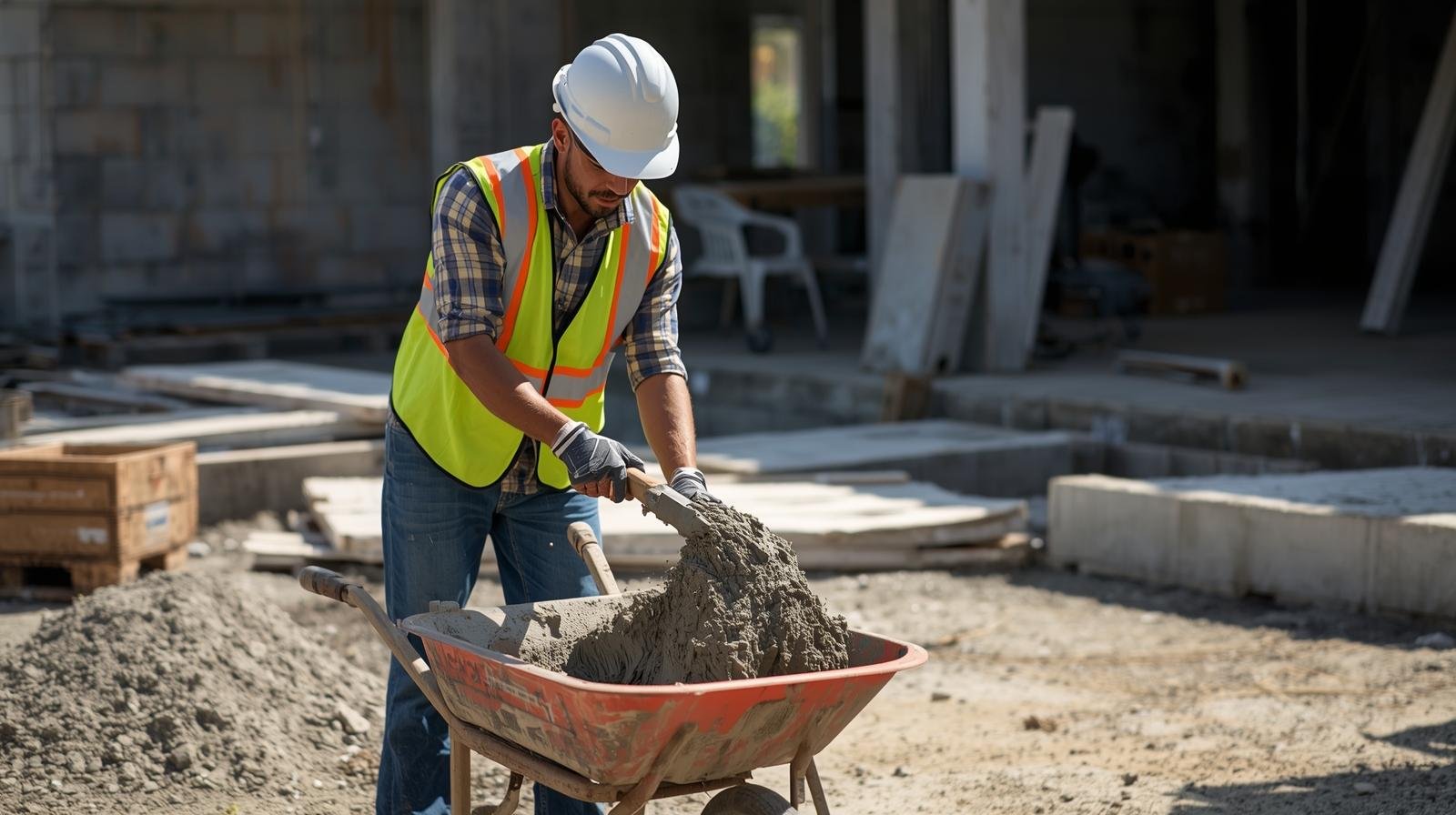
Rapid Hardening Cement (RHC) is a high-performance hydraulic cement designed to develop very high early strength compared to Ordinary Portland Cement. It is specifically formulated for construction scenarios where time is critical, early load application is required, or rapid return to service is non-negotiable. In contemporary infrastructure development, where delays directly translate into financial losses, rapid hardening cement has become an essential material for engineers, contractors, and project planners.
The defining feature of rapid hardening cement is its ability to achieve substantial compressive strength within 24 to 72 hours, enabling accelerated construction without compromising structural reliability.
What Is Rapid Hardening Cement?
Rapid hardening cement is manufactured by grinding clinker to a much finer particle size and increasing the proportion of tricalcium silicate (C₃S). This composition accelerates the hydration process, resulting in faster heat evolution and rapid strength development. While the initial and final setting times remain close to those of OPC, the rate of strength gain is significantly higher, which is the primary reason for its widespread adoption in fast-track projects.
By design, concrete made with rapid hardening cement can achieve the 7-day strength of OPC within about 3 days, making it strategically valuable in high-priority construction work.
Key Properties of Rapid Hardening Cement
High Early Compressive Strength
The most notable property of rapid hardening cement is its exceptional early compressive strength, often reaching 50–60% of its 28-day strength within the first 24 hours. This allows structural elements to carry loads much earlier than conventional concrete.
Accelerated Construction Cycle
Rapid strength development enables early removal of formwork, quicker sequencing of construction activities, and reduced project duration.
Improved Abrasion Resistance
Concrete produced with rapid hardening cement exhibits good resistance to abrasion, making it suitable for pavements, industrial floors, and high-traffic zones.
Reliable Long-Term Performance
When properly designed and cured, structures made with rapid hardening cement demonstrate durability comparable to conventional concrete.
Major Uses of Rapid Hardening Cement
Road Construction and Pavement Repairs
One of the most widespread rapid hardening cement uses is in road construction and pavement maintenance, particularly in urban areas with heavy traffic density. Road closures lead to congestion, economic disruption, and safety risks, making rapid reopening a top priority.
Rapid hardening cement enables:
- Pavement repairs that reopen within 24–48 hours
- Overnight rehabilitation of urban roads
- Emergency restoration of damaged carriageways
This makes it ideal for highways, city streets, flyovers, and airport runways, where operational downtime must be minimized.
Precast Concrete Manufacturing
The precast industry relies heavily on rapid hardening cement to achieve high productivity and fast turnover. Faster strength gain allows earlier demolding and handling of precast elements without damage.
Common precast products include:
- Beams and columns
- Railway sleepers
- Utility poles
- Precast slabs and panels
- Drain covers and manholes
By reducing curing time, rapid hardening cement directly improves manufacturing efficiency and lowers overall production costs.
Bridge Decks and Structural Rehabilitation
In bridge construction and maintenance, rapid hardening cement plays a critical role. Bridge closures disrupt transportation networks, making fast repair solutions essential.
Typical applications include:
- Bridge deck resurfacing
- Expansion joint concrete
- Bearing seat repairs
- Localized strengthening works
The use of rapid hardening cement ensures early load-carrying capacity, allowing bridges to reopen safely within a short period.
Cold Weather Concreting
In cold climates, cement hydration slows significantly, delaying strength gain and increasing the risk of frost damage. Rapid hardening cement mitigates these issues by generating higher early heat of hydration.
Benefits in cold weather applications include:
- Faster strength gain at low temperatures
- Reduced need for external heating
- Lower risk of early-age freezing
This makes rapid hardening cement particularly suitable for winter construction, mountainous regions, and high-altitude infrastructure projects.
Emergency Repair and Restoration Works
Rapid hardening cement is the material of choice for emergency repair works where immediate functionality is required. Natural disasters, accidental damage, or unexpected structural failures demand materials that can deliver strength quickly.
Key emergency applications include:
- Damaged culverts and drains
- Collapsed pavements
- Industrial floor restoration
- Utility trench backfilling
The ability to restore service within hours rather than days provides a decisive advantage in critical situations.
Industrial Flooring and Heavy-Duty Areas
Factories, warehouses, and logistics hubs cannot afford long shutdowns. Rapid hardening cement enables the construction or repair of industrial floors with minimal interruption to operations.
Advantages in industrial environments:
- Early commissioning of floors
- High resistance to impact and abrasion
- Faster resumption of production activities
This makes it highly suitable for manufacturing plants, storage facilities, and loading docks.
Marine and Hydraulic Structures
In marine environments, the available construction window is often limited by tides and water exposure. Rapid hardening cement is used selectively for repair works where early strength is essential.
Typical uses include:
- Jetty deck repairs
- Dock flooring
- Spillway maintenance
- Coastal concrete patching
Early strength gain helps resist water action and reduces vulnerability during early curing stages.
Advantages of Rapid Hardening Cement
Significant Time Savings
Faster strength development directly shortens construction schedules, leading to quicker project completion.
Early Formwork Removal
Formwork can be stripped earlier, reducing material requirements and labor costs.
Quick Load Application
Structures can safely carry loads much sooner than those made with OPC.
High Productivity
Improved construction speed enhances overall project efficiency, especially in repetitive or modular works.
Limitations and Precautions
Despite its benefits, rapid hardening cement must be used judiciously.
Key limitations include:
- Higher material cost compared to OPC
- Not suitable for mass concrete due to high heat of hydration
- Requires strict quality control and experienced supervision
- Faster setting demands efficient mixing, transport, and placement
Proper planning is essential to fully realize its advantages without compromising structural integrity.
Rapid Hardening Cement vs Ordinary Portland Cement
| Parameter | Rapid Hardening Cement | Ordinary Portland Cement |
|---|---|---|
| Early Strength | Very High | Moderate |
| Construction Speed | Fast | Normal |
| Cost | Higher | Lower |
| Best Application | Time-critical works | General construction |
| Formwork Removal | Early | Delayed |
Best Practices for Using Rapid Hardening Cement
Effective use of rapid hardening cement requires disciplined execution.
Key recommendations include:
- Maintain a low and controlled water-cement ratio
- Ensure continuous and adequate curing despite rapid strength gain
- Avoid delays in mixing and placement
- Use proper temperature and moisture control
These measures ensure consistent performance and long-term durability.
Future Outlook of Rapid Hardening Cement
With the growing emphasis on fast-track infrastructure, urban redevelopment, and emergency rehabilitation, the demand for rapid hardening cement is expected to rise steadily. Its role in modern construction aligns perfectly with the industry’s shift toward speed, efficiency, and resilience.
Advances in material science are further enhancing its performance, making rapid hardening cement a cornerstone material for next-generation construction practices.
Conclusion
Rapid hardening cement uses cover a wide spectrum of construction activities where speed, reliability, and performance are paramount. From highways and bridges to precast factories and emergency repairs, its ability to deliver high early strength transforms project execution timelines.