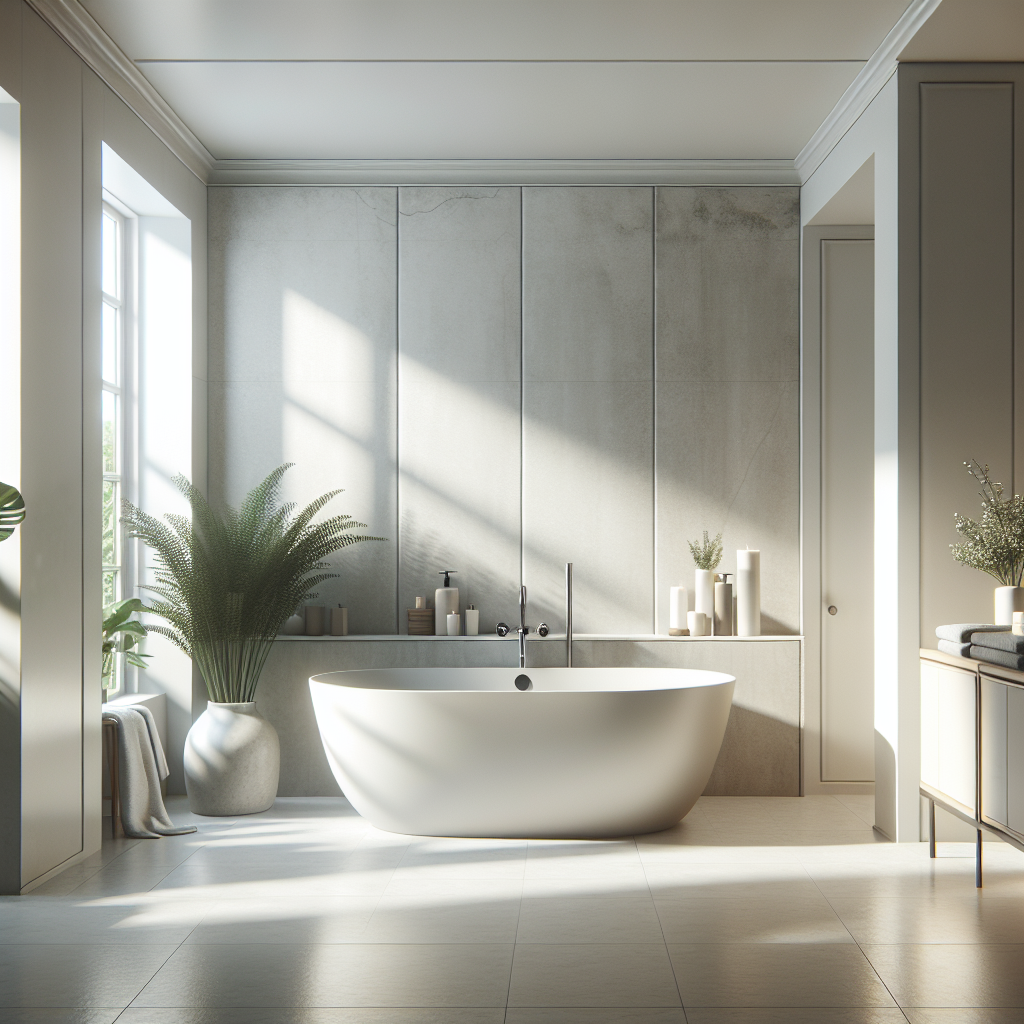
Picking the right bathtub size affects comfort, water use, and how a bathroom feels. This article breaks down common measurements and what they mean for different spaces.
Whether you’re planning a remodel or just curious about options, clear numbers and simple tips make the process less stressful. Read on to compare sizes, measure correctly, and match tubs to room layouts.
Common tub sizes and shapes
Bathtubs come in a few standard shapes and a range of lengths and depths. Knowing the typical sizes helps narrow choices and avoid surprises during installation.
Rectangular tubs
These are the most common and fit along a single wall. Typical lengths range from 54 inches to 72 inches, and widths commonly sit between 30 and 36 inches.
- 54 inches: Often used in small bathrooms and apartments.
- 60 inches: The most common size for a full bath in many homes.
- 66–72 inches: Found in larger bathrooms or when a deeper soak is desired.
Soaking and deep tubs
Deeper tubs allow a full-body soak without increasing length. Standard depths can be 14 to 20 inches, with soaking models reaching 20–24 inches of water depth.
Keep in mind higher sides mean a taller tub rim, which can affect ease of entry for some users.
Corner and triangular tubs
Designed to save floor space, corner tubs are measured by the length of each side that meets the wall. Common corner sizes include 48, 60, or 66 inches along each wall.
They can provide more soaking area without a long linear footprint, but often require careful faucet and drain placement.
Measuring for a tub and planning space
Accurate measurements reduce returns and rework. Measure the bathroom layout, clearances, and existing plumbing before choosing a tub.
How to take basic measurements
Start by measuring the available wall-to-wall length where a tub will sit. Record ceiling height and floor-to-drain distance. Note window locations and how doors swing.
Also measure the rough-in: the distance from the finished wall to the center of the drain and location of the hot and cold lines.
Clearances and access
Allow at least 21 inches of clear space in front of the tub for comfortable entry and for cleaning. If a toilet or vanity sits opposite, ensure there’s enough space to use both fixtures comfortably.
Consider an access panel for plumbing on the tub’s service side or plan for removable panels if the tub is enclosed on three sides.
Material choices and their impact on size and feel
The material affects weight, edge thickness, and perceived interior size. Two tubs with the same outer measurements can feel different inside depending on wall thickness.
Cast iron and steel
These are durable and retain heat well. Cast iron tubs have thicker walls and heavier weight, which can slightly reduce interior bathing space for a given outer dimension.
They often need floor reinforcement in older houses due to weight when filled with water.
Acrylic and fiberglass
These materials are lighter and can be molded into curved, ergonomic shapes. Thinner walls mean more interior space for the same external footprint.
Acrylic also offers more color options and is easier to repair for minor scratches.
Solid surface and composite
Solid-surface tubs balance weight and a premium look. They can be engineered to maintain interior volume while providing sleek rims and integrated edges.
Installation may require specific supports or brackets; check manufacturer specs for load and support requirements.
Matching tubs to bathroom types
Different bathroom sizes and uses suggest different tub choices. Consider function first: quick rinses, long soaks, or bathing children or pets.
Small bathrooms and powder rooms
In compact spaces, a 48–54 inch tub or a shower-tub combo works best. Corner tubs can also maximize usable floor area.
Sliding doors or a simple curtain can save space and reduce splash outside the tub area.
Family bathrooms
For homes with kids, a 60-inch tub is common and practical. Durability and ease of cleaning matter more than extra length.
Choose non-slip surfaces and rounded edges to improve safety for younger users.
Master baths and luxury layouts
Larger bathrooms can accommodate freestanding tubs, longer built-in tubs, or dual-ended designs that allow two people to bathe comfortably.
Lengths of 66–72 inches or wider soaking tubs with deeper depths create a spa-like experience.
Practical tips for selection and installation
Small decisions during selection prevent costly surprises. Verify measurements, check plumbing compatibility, and weigh maintenance needs.
Match drain locations
There are left, right, and center drain positions. Picking a tub with a compatible drain location avoids expensive plumbing changes.
If swapping a tub in an existing alcove, measure the current drain center to match new plumbing.
Weight and floor support
Consider the filled weight: water weighs about 8.34 pounds per gallon. A large tub filled with water and occupants can put significant load on floor joists.
Consult specs for filled weight and, if needed, reinforce the subfloor before installation.
Faucet and surround choices
Wall-mounted, deck-mounted, and freestanding faucets each require different planning. Deck-mounted faucets need enough flat rim space.
Showerheads over tub areas require appropriate height and splash protection; consider a sliding door or curtain track placement when planning.
Conclusion
Clear measurements and matching tub features to bathroom function lead to better outcomes. Think beyond just length: depth, drain placement, materials, and clearances all matter.
With the right planning, you can choose a tub that fits the space, satisfies comfort needs, and avoids extra installation cost.
Frequently Asked Questions
What are the most common tub lengths?
The most common lengths are 60 inches and 54 inches. Compact bathrooms often use 48–54 inch models while larger spaces may use 66–72 inch tubs.
How deep should a tub be for comfortable soaking?
For a comfortable soak, look for tubs with 18–24 inches of water depth. Standard tubs often sit around 14–16 inches of useful water depth.
Can I replace a tub without moving the drain?
Yes, if the new tub has the same drain location as the old one. Measure the distance from the finished wall to the drain center to ensure compatibility.
Do freestanding tubs require special flooring?
Freestanding tubs are often heavy, especially when filled. Check floor load capacity and reinforce if necessary. Use a level and a stable base to prevent movement.
How much clearance do I need in front of a tub?
Allow at least 21 inches of clear space in front of the tub for easy entry and cleaning. If a toilet or vanity faces the tub, ensure combined clearances meet local codes and comfort needs.