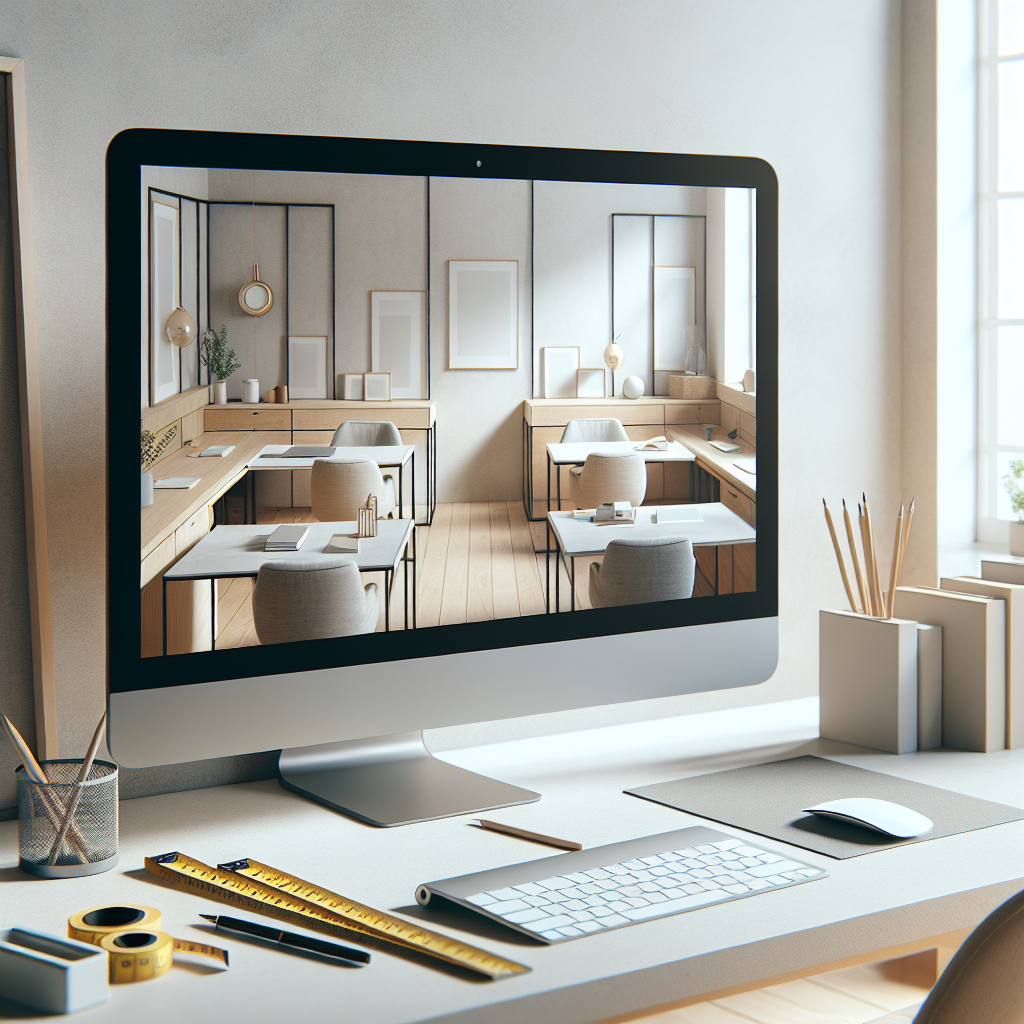
Picking the right desk size can change how you work, how comfortable you feel, and how much space your room will need. Small differences in height, depth, or width affect posture, device placement, and storage options.
This article breaks down common measurements and practical layout tips. You will find easy-to-use ranges for sitting and standing setups, plus task-based recommendations that suit different rooms and activities.
Why desk size matters
Desk dimensions influence comfort and long-term health. A desk that is too high forces shoulder strain; one that is too low can round the back.
Beyond ergonomics, desk size affects usability. Depth decides how far monitors sit from your eyes. Width determines how many tools and devices fit without clutter.
Common height and depth standards
Height and depth are the most critical measures to check first. These values set the basic posture and workspace distance.
Below are standard ranges and notes that fit most adults. Use these as a baseline and adjust with chairs, monitor stands, or adjustable legs.
Sitting desk height
Standard sitting desk height typically ranges from 28 to 30 inches (71 to 76 cm). This suits most people using a standard office chair.
If you are shorter or taller than average, an adjustable desk or chair with a footrest can help reach a neutral arm angle (90–110 degrees at the elbow).
Standing desk height
Standing desks commonly sit between 38 and 42 inches (97 to 107 cm). The exact height depends on your stature and whether you use an anti-fatigue mat or shoes with heels.
When standing, top of the monitor should be at or slightly below eye level, and elbows should rest at about 90 degrees when typing.
Desk depth
Depth controls monitor distance and keyboard placement. Typical depths run from 24 to 36 inches (61 to 91 cm).
- 24 inches (61 cm): Compact, fits a laptop and small monitor—best for tight spaces.
- 30 inches (76 cm): Most common depth, roomy enough for a monitor, keyboard, and a small writing area.
- 36 inches (91 cm): Better for dual monitors or creative work that needs surface area.
Width and task-based sizing
Width determines how many items you can spread out. Think about what you use daily: one laptop, multiple monitors, paperwork, drafting tools, or audio gear.
Below are suggested widths tied to common activities. These ranges assume typical desk depths and standard setups.
Small workstations and laptop desks
Widths from 36 to 48 inches (91 to 122 cm) fit a laptop or single monitor plus peripherals. These are ideal in bedrooms, small apartments, or narrow office nooks.
Use shelving or wall-mounted organizers to compensate for limited surface area.
Home office and productivity desks
Widths of 48 to 60 inches (122 to 152 cm) provide space for a monitor, laptop, paperwork, and a bit of desk decor without crowding.
This size works well in dedicated home offices and larger shared rooms where a comfortable spread matters.
Large setups and creative workstations
Widths from 60 to 72 inches (152 to 183 cm) or more suit dual monitors, audio equipment, drawing tools, or multi-device workflows.
Consider corner desks or L-shaped layouts if you need multiple distinct zones (computer work, writing, and sketching) in one footprint.
Layout, storage, and material tips
Desk size is only part of the picture. How you organize and the materials you choose change the functional value of the surface.
Think about cable routing, drawer placement, and the visual weight of the desk when choosing an option for a specific room.
Storage and legroom
Ensure knee clearance under the desk: a typical comfortable space is at least 24 inches (61 cm) wide and 18 inches (46 cm) deep for legs, plus room for a chair to recline.
Drawers and pedestals are useful, but place them so they do not block leg movement. Mobile pedestals can tuck away when not needed.
Materials and durability
Material choice affects weight, finish, and how it wears over time. Solid wood has warmth but is heavy; engineered wood and laminates are budget-friendly and lighter.
Metal frames add stability and allow slimmer tops, which can help reduce the visual bulk in small rooms.
Placement and room flow
Measure the room and leave at least 30 inches (76 cm) behind the chair for movement. If drawers or filing cabinets require clearance, add extra space.
Window placement matters: avoid strong backlight on screens, and use blinds or monitor hoods if glare is an issue.
Conclusion
Choosing the right desk size starts with height and depth, then widens to include task needs and room layout. Use the ranges here as a starting point and tweak based on your body, devices, and space.
Small changes like raising a monitor or adding a keyboard tray can transform an otherwise ill-fitting desk into a comfortable workspace.
Frequently Asked Questions
These short answers cover typical concerns when planning desk size. If you need to match a specific body or room, measure and compare before buying.
What is the best desk height for most adults?
Most adults are comfortable with a sitting desk height around 28 to 30 inches (71 to 76 cm). If you use a fixed-height desk, adjust chair height so your forearms are parallel to the floor.
How deep should a desk be for a monitor setup?
A depth of 24 to 30 inches (61 to 76 cm) works for typical monitor setups. Aim to place the monitor about an arm’s length away; deeper desks help if you use large screens or want more writing space.
Is a wider desk always better?
Wider desks give more surface area but take up room. Choose width based on how many devices you use and the size of your room. For many, 48 inches (122 cm) strikes a good balance.
What size desk fits small rooms?
In tight spaces, a 36-inch (91 cm) wide desk with a 24-inch (61 cm) depth can work well. Consider wall-mounted shelves and vertical storage to keep the surface clear.
Should I get an adjustable desk?
Adjustable desks add posture flexibility and help alternate between sitting and standing. They are especially useful if multiple people use the same workspace or if you want to vary your position through the day.
How much legroom is needed under a desk?
Allow at least 18 inches (46 cm) depth and 24 inches (61 cm) width for comfortable leg movement. Taller users may want extra depth or a recessed modesty panel to extend knee space.