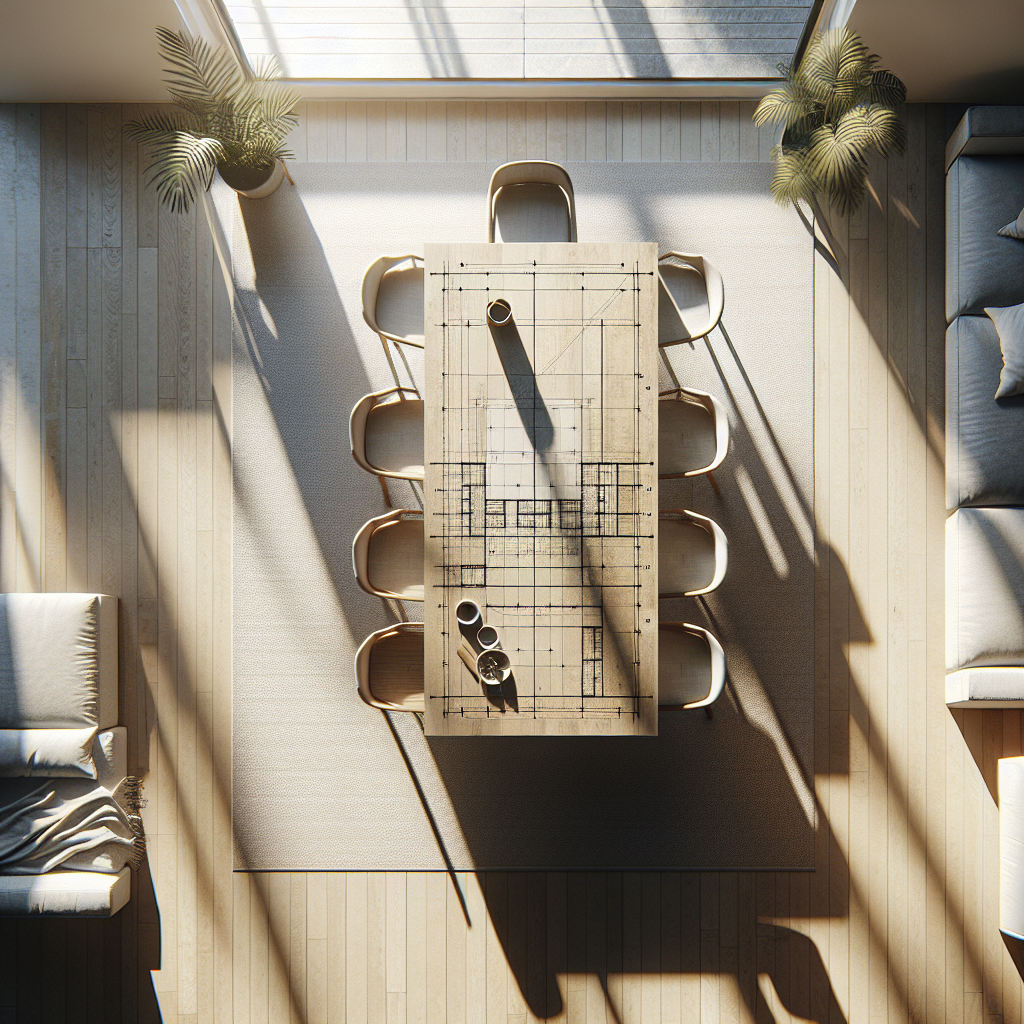
Choosing the right table size affects comfort, flow, and how a space looks. Small mistakes in measurement lead to cramped seating or awkward gaps around the table.
This article breaks down common measurements, seating capacity, clearance needs, and how shape and material affect usable space. Read practical examples that make planning easier.
How table sizes are measured
Understanding which parts of a table are measured helps avoid surprises. Length, width, and height are the basic numbers, but leg placement and apron thickness change usable space.
Most measurements are given in inches and centimeters. Below, you’ll see typical ranges and what each number means for seating and fit.
Common measurement terms
These simple terms help when comparing tables or checking a floor plan.
- Length: long side of a table, determines how many seats fit along edges.
- Width: shorter side; affects plate placement and pass-around space.
- Height: top surface to floor; standard is near 29 inches.
- Clearance under table: space between apron and floor for knees and chair backs.
Why height matters
A common dining height works with most chairs and allows comfortable elbow room. Too high or too low leads to awkward posture and limited chair options.
Allow at least 10–12 inches of clearance between the chair seat and the tabletop to keep seating comfortable.
Common table sizes and seating capacity
Knowing common size ranges makes room planning fast. Below are frequent sizes with seating counts and useful notes.
These examples assume comfortable spacing of about 24 inches per person along the edge.
Rectangular tables
Rectangular tables are the most common and ease placement against walls or in long rooms.
- 36″ x 48″ (90 x 120 cm): 4 people — good for small kitchens or breakfast nooks.
- 36″ x 60″ (90 x 150 cm): 6 people — a balanced choice for many homes.
- 36″ x 72″ (90 x 180 cm): 8 people — works well in a dedicated dining room.
- 40″ x 96″ (100 x 240 cm): 10 people — wider tops add room for serving dishes.
Round tables
Round shapes encourage conversation and are ideal for square rooms or tight flow paths.
- 36″ (90 cm) diameter: 4 people — compact and cozy.
- 48″ (120 cm) diameter: 4–6 people — a flexible middle size.
- 60″ (150 cm) diameter: 6–8 people — keeps everyone within reach.
Square and oval tables
Square tables suit square rooms, while ovals offer a softer look and easier movement around corners.
- 36″ x 36″ square: 4 people — intimate and balanced.
- 48″ x 48″ square: 4–6 people — requires a larger room for clearance.
- 36″ x 60″ oval: 6 people — oval shapes can seat more without extra width.
Planning space and clearance
Good spacing keeps traffic flowing and allows people to pull chairs back comfortably. Consider both chair depth and walking paths around the table.
Measure the full area, not just the table footprint, to avoid surprises when chairs are in use.
Recommended clearance around a table
A practical rule is to leave at least 36 inches (90 cm) between the table edge and walls or other furniture. If the area will see heavy traffic, increase that to 44 inches (110 cm).
These distances let diners stand, pull chairs back, and move around without bumping into obstacles.
Chair clearance and aisle width
Account for the chair when pulled out. Typical dining chairs need 24–30 inches (60–75 cm) from the table edge to the nearest wall or piece of furniture to allow someone to sit down comfortably.
For a walkway behind a seated row, aim for at least 36 inches (90 cm) to let people pass without disturbing diners.
Shape, function, and material effects
Shape changes how many people can sit and how the table fits into a room. Material and construction alter usable top area and visual weight.
Consider how the table will be used: daily family meals, formal dinners, or multipurpose tasks. That choice will influence the ideal size and shape.
How shape affects seating
Rectangular tables are efficient in long spaces and can place two people at each end. Round and square tables create easier conversation but can require more floor area per seat.
Ovals soften room lines and often allow chairs to slide in and out more smoothly at corners.
Extendable tables and flexibility
Extendable tops offer flexible seating without permanently occupying extra space. Leaves and drop-in panels can add 18–36 inches (45–90 cm) when needed.
Check how the table operates and whether leaves need extra storage space when not in use.
Materials, tabletop thickness, and scale
Thick tabletops add visual weight and can reduce legroom if the apron is bulky. Glass and thin wood tops keep a space feeling light and open.
Metal legs and trestle bases change how close chairs can get to the table edge. Measure leg placement so every seat has usable knee space.
Choosing the right table for your room
Match scale and function to the room. A large table in a tight dining area will feel crowded, while a tiny table in a spacious room can look lost.
Start with floor measurements, subtract clearance on all sides, and choose a table that fits the remaining area while leaving space for movement.
Measure and mock up the footprint
Use tape to mark the table outline on the floor. Add chair outlines to see how seating and walkways will work in real life.
This simple test reveals sightline issues and how the table interacts with doors, sideboards, and windows.
Match seating to lifestyle
If meals often include guests, pick a table that can expand or choose a size that accommodates a couple of extra chairs comfortably.
For everyday use by a small family, compact sizes may be more practical and keep the space feeling open.
Conclusion
Measurements, shape, and material all shape how a table works in a room. Focusing on seating needs and clearance will prevent common mistakes.
Plan with real measurements, test the footprint, and choose a table that fits both daily life and the room’s layout for comfortable, attractive dining.
Frequently Asked Questions
Below are short answers to common measurement questions that come up when planning a dining area.
What is the standard dining table height?
Most dining tables are 28 to 30 inches (71–76 cm) high. This range matches standard chair heights and offers comfortable elbow room for most people.
How much width is needed per person?
Aim for about 24 inches (60 cm) of table edge per person for elbow space and plates. Tight settings may use 20 inches (50 cm), but comfort decreases.
How much space should I leave behind chairs?
Leave 36 inches (90 cm) for a path behind chairs to allow people to walk by. For high-traffic areas, 44 inches (110 cm) is better.
Can a round table seat more than a rectangular one of the same diameter?
Round tables can feel more social and may seat similar counts comfortably, but rectangular tables usually fit more people along the same overall footprint because of straight edges.
What size table fits a 10×12 foot room?
In a 10×12 foot (3 x 3.6 m) room, a 36″ x 60″ table or a 48″ round table leaves room for seating and movement while keeping adequate clearance.
How do I account for a buffet or sideboard?
Place the buffet at least 36 inches (90 cm) from the table edge to allow serving space and circulation. If guests pass frequently, increase that distance.