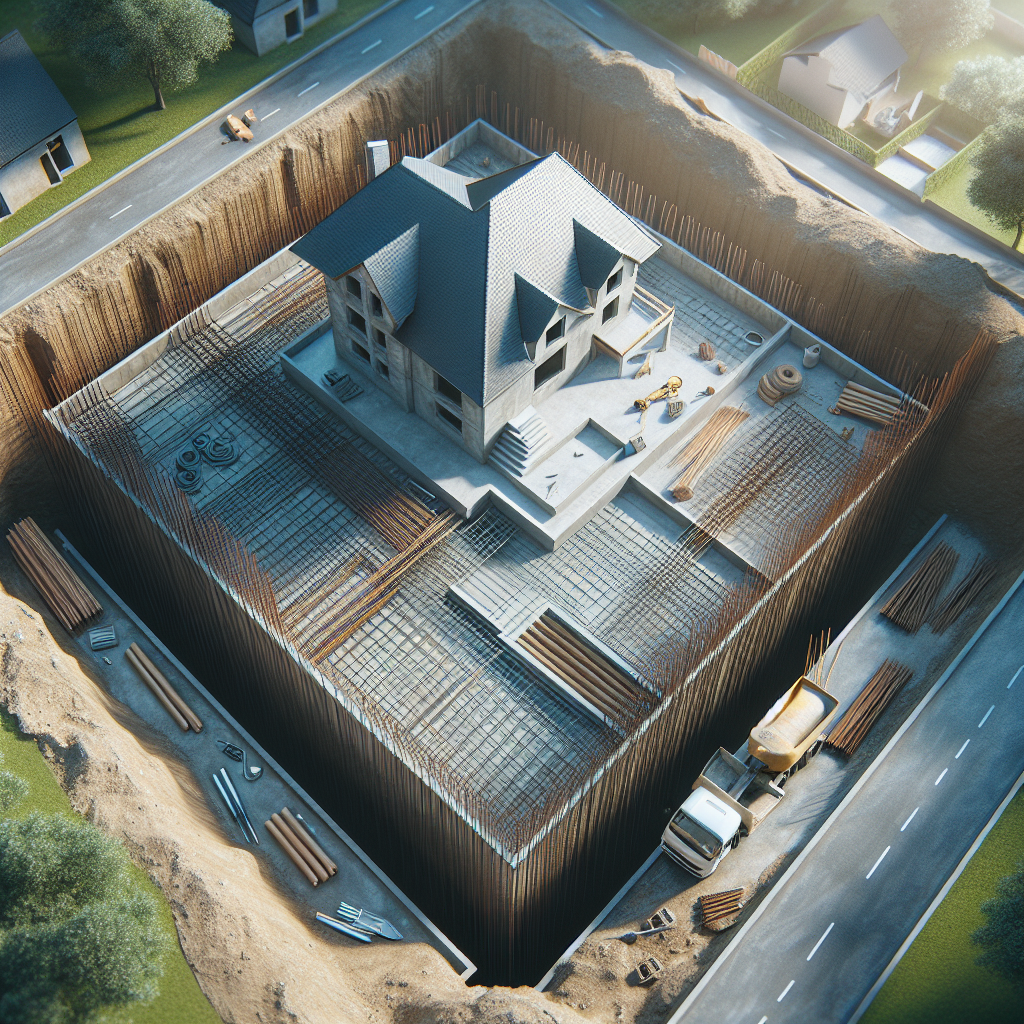
Planning foundation work for a modest 1200 sq ft home requires clear numbers and realistic expectations. This article walks through typical price ranges, what impacts those numbers, and how to compare options without jargon.
Costs vary by location, soil, and the foundation type you choose. Below you’ll find practical breakdowns, simple calculations, and common pitfalls to avoid when estimating expenses.
Typical cost breakdown
Foundation costs for a 1200 sq ft footprint usually include excavation, formwork, concrete, reinforcement, waterproofing, and labor. Each of these pieces adds up differently depending on local rates and site conditions.
Below are typical ranges to expect. Use them as starting points, then adjust for local pricing and the condition of your lot.
Excavation and site prep
Clearing the lot, grading, and digging trenches or a pit is the first step. For a 1200 sq ft home, expect excavation to run from a few hundred to several thousand dollars.
- Simple, flat lots with easy access: lower end of the range.
- Rocky, sloped, or compacted sites: higher costs due to specialized equipment and time.
Concrete, reinforcement, and forms
Concrete volume depends on foundation type and footing sizes. Reinforcing steel (rebar) and wooden or metal forms add to the cost.
- Concrete mix and delivery: usually charged per cubic yard.
- Rebar and mesh: priced by weight or length.
Waterproofing and drainage
Proper drainage and moisture barriers prevent long-term damage. These items are often overlooked but can save money in repairs later.
- Exterior membranes, drain tile, and gravel beds protect basements and crawl spaces.
- Sump pumps and backfill materials add to the bill on wet sites.
Factors that change the price
Several site-specific and design choices create large swings in foundation costs. Knowing these factors helps prioritize where to spend and where to save.
Consider these elements when getting quotes from contractors so comparisons are accurate.
Soil type and groundwater
Clay, peat, and high water tables usually require more extensive work. Solutions include deeper footings, pilings, or improved drainage, which raises the budget.
- Sandy soils drain well and are easier to work with.
- Expansive clay or organic soils may require engineered solutions or a deeper foundation.
Access and site logistics
Tight lots, narrow driveways, or restricted access increase labor and equipment time. Material staging may need extra planning and cost.
- Urban infill sites often face higher labor hours and traffic restrictions.
- Remote sites can add delivery surcharges for concrete and materials.
Local labor and permit costs
Labor rates can vary widely by region and by the experience level of the crew. Permit fees, inspections, and utility locates also influence the final sum.
- High-demand markets typically show higher hourly rates.
- Strict permit rules add administrative steps and sometimes mandatory tests.
Comparing foundation types
There are three common foundation approaches for a 1200 sq ft home: slab-on-grade, crawl space, and full basement. Each has different upfront costs and long-term implications.
Below are quick comparisons to help decide which matches the site and budget.
Slab-on-grade
A concrete slab poured directly at ground level is often the least expensive option. It reduces excavation and material needs but gives no usable lower-level space.
- Lower material and labor costs.
- Good for warm climates and stable soils.
- Less protection for utilities and plumbing if repairs are needed.
Crawl space
A crawl space raises the home off the ground and allows easier access to plumbing and wiring. It sits between a slab and a full basement in cost and complexity.
- Requires footings and perimeter walls.
- Needs insulation and moisture control to avoid mold and pest issues.
- Useful where a slight elevation is needed for grading or utilities.
Full basement
A basement adds livable or storage space but comes with substantially higher excavation, wall construction, waterproofing, and finishing costs.
- Great for cold climates and when extra square footage is desired.
- Waterproofing and drainage are critical and can be a major cost if the water table is high.
How to estimate materials and labor
Breaking the estimate down into parts makes quotes easier to compare. Focus on units: cubic yards of concrete, linear feet of footing, square feet of wall, and hours of labor.
Below are simple steps and sample calculations to create a rough budget before asking contractors for bids.
Step-by-step estimation
Start with the basic footprint and depth, then calculate materials and add labor and extras. This gives a clearer view of where costs concentrate.
- Calculate concrete volume: footprint area times slab thickness, plus footing volumes.
- Estimate rebar length and spacing based on local codes or typical practice.
- Include costs for forms, ties, and accessories.
Example numbers
For a 1200 sq ft slab: if slab thickness is 4 inches, the concrete volume is about 148 cubic feet or roughly 5.5 cubic yards. Footings increase this number and may double or triple the concrete need.
- Concrete cost per cubic yard varies by region; add delivery and tax.
- Labor often represents 30-50% of the total foundation cost depending on complexity.
Common mistakes and practical tips
Small oversights can become costly once work begins. Checking these items before signing a contract helps keep the job on budget and on time.
Here are frequent missteps and how to avoid them with practical choices during planning.
Underestimating soil and drainage needs
Failing to test soil or ignoring drainage can lead to foundation movement and extra work. A simple soil test and site inspection save money over time.
- Ask for a basic soil report or borings if the lot looks suspect.
- Plan for perimeter drains and proper grading away from the foundation.
Choosing the cheapest bid only
Lowest price often means shortcuts, different materials, or omitted work. Compare line-by-line and check references to ensure quality and completeness.
- Request itemized bids with similar scopes.
- Verify contractor insurance, local license, and recent work photos.
Skipping written warranties and specs
Oral promises are hard to enforce. Written specs for concrete strength, reinforcement details, and waterproofing protect both parties.
- Include cure times, inspection stages, and fix-up terms.
- Keep change orders documented to avoid disputes.
Conclusion
Estimating the cost to set a foundation for a 1200 sq ft home is straightforward once you break the job into parts. Knowing local rates, site conditions, and foundation type helps produce realistic budgets.
Plan for contingencies, verify contractor details, and prioritize quality in key areas like waterproofing and drainage to avoid larger expenses later.
Frequently Asked Questions
How much does a basic slab foundation typically cost?
A basic 4-inch slab for a 1200 sq ft footprint often sits at the lower end of foundation costs. Prices depend on concrete costs per cubic yard, local labor rates, and any required footings or extra reinforcement.
Will a high water table add a lot to the bill?
Yes. A high water table usually requires additional drainage, sump systems, or deeper footings. These measures add to both materials and labor and should be checked early in planning.
Is it cheaper to build a crawl space instead of a full basement?
Typically, a crawl space costs less than a full basement because excavation and wall construction are reduced. However, it still needs vapor barriers, ventilation, and sometimes insulation to perform well.
How can I get accurate local pricing?
Request at least three itemized quotes from reputable local contractors. Ask for unit prices (concrete per yard, linear foot of footing) and verify permit and inspection fees separately.
What contingency should I budget for unexpected issues?
Setting aside 10-20% of the foundation budget for unexpected site conditions, permit changes, or weather delays is a reasonable practice to avoid surprises during construction.