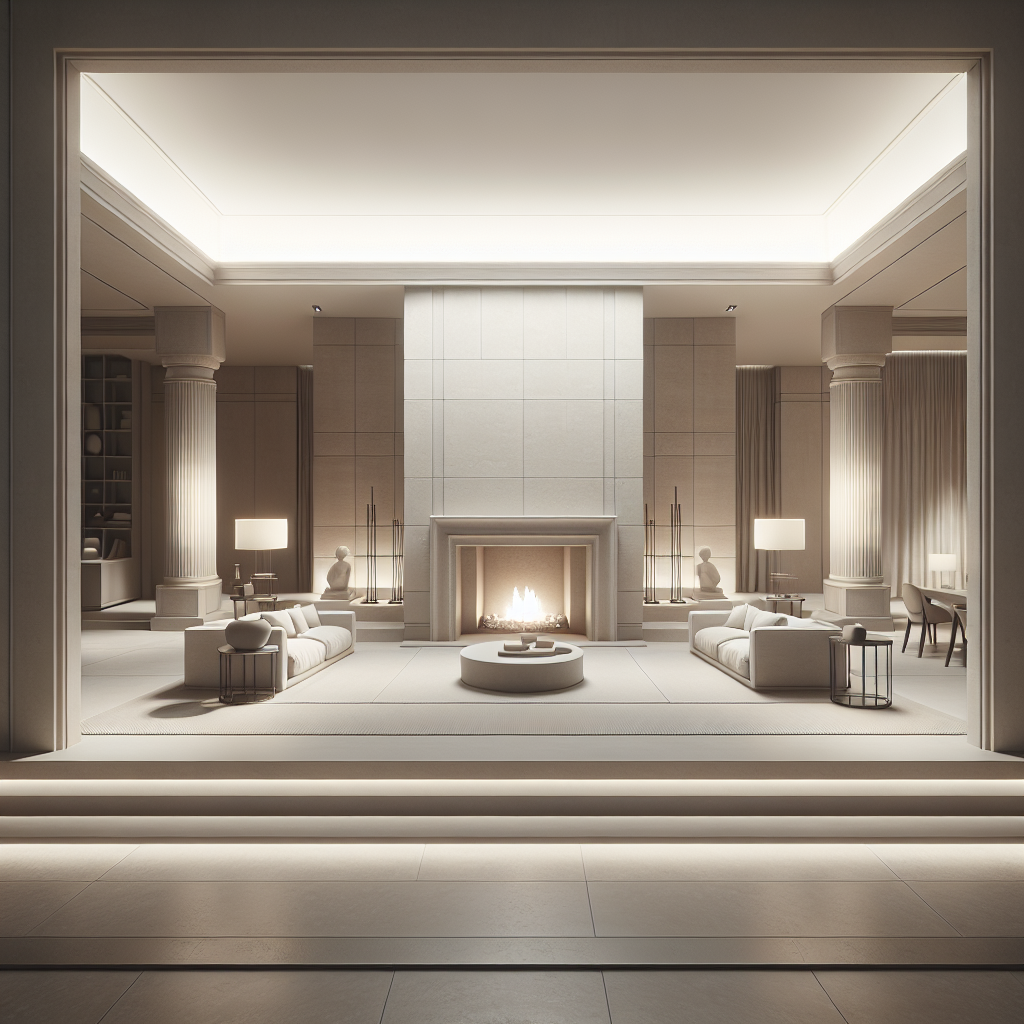
Choosing the right fireplace size affects both safety and the look of a room. The right proportions help heat a space well and keep clearances within safe limits.
This post explains typical measurements for openings, hearths, mantels, and clearances. Use these numbers as starting points and always check local rules and manufacturer specs before building.
Typical opening sizes and firebox shapes
Fireplace openings vary by fuel type and style. Masonry fireplaces often have taller, wider openings to handle large fires and allow viewing, while prefabricated units tend to be shallower.
Choosing an opening size affects the firebox shape, visible flame area, and how the fireplace integrates with the wall.
Wood-burning masonry openings
Masonry openings are commonly wider than they are tall. Typical widths fall between 36 inches and 48 inches, with heights from 24 inches to 32 inches. Deep fireboxes, often 16 to 24 inches, let wood burn without spilling embers onto the hearth.
These are general ranges. Larger rooms or high ceilings often benefit from wider openings to keep visual balance.
Prefabricated gas openings
Gas units come in many standard face sizes. Common widths include 36 inches and 42 inches, while heights tend to be lower than masonry, often 18 to 28 inches. Depths are typically shallower, since a deep cavity is not needed.
Gas units require exact clearances around the appliance. Manufacturer instructions determine final opening size and surround construction.
Electric and linear styles
Electric inserts and linear fireplaces prioritize the visible flame area. Widths range widely, from compact 24-inch units to contemporary 72-inch linear models. Depth is minimal, which makes installation flexible.
Because electric models produce less heat, they can be placed lower to the floor or inside media walls without large hearths.
Hearth height, depth, and projection
The hearth protects nearby flooring and provides a stage for the fire. Its thickness, height, and how far it projects into the room all matter for safety and style.
Materials and fuel type influence hearth size. Solid-fuel fires need larger, more robust hearths than electric or some gas units.
Hearth height and thickness
Hearth height is usually close to the room floor level or raised slightly, commonly between 0 and 16 inches above floor level. A low, flush hearth suits modern looks, while a raised hearth can create a seating ledge.
Thickness depends on material. Stone or masonry hearths often range from 2 to 6 inches thick plus a structural base. Thicker hearths help protect combustible floors near wood-burning fireplaces.
Front and side projections
The hearth usually extends in front of the fire opening and to the sides. Projections vary by unit: many solid-fuel hearths extend at least 16 inches in front, while some gas hearths require 8 to 12 inches.
Side extensions often reach 8 to 12 inches beyond the opening, but wider projections can better protect furniture and match room proportions.
Clearance, mantle heights, and surround materials
Clearances protect walls, mantels, and nearby items from heat. Mantel height affects both safety and the visual scale of the fireplace within the room.
Clearance rules differ by fuel type and whether the fireplace is masonry, factory-built, or zero-clearance. Manufacturer and code requirements override general ranges.
Minimum clearances
As a general principle, combustible materials should be kept a safe distance from the opening and sides. For many units, mantels and trim must sit above a certain height to avoid excessive heat exposure.
Zero-clearance units allow closer installation to combustible materials in some cases, but they still require specified clearances to framing and mantel pieces. Always follow the unit’s installation data.
Mantel height recommendations
Mantels are often placed 12 to 24 inches above the top of the opening for gas and electric units, and sometimes higher for masonry fireplaces. Taller mantels suit rooms with higher ceilings and help avoid a cramped feel.
When a mantel projects outward, required clearance distances increase. Narrow mantels can be closer, while deep shelves need more space to stay safe.
Surround materials and finishes
Stone, brick, and tile are common surrounds that tolerate heat well. Wood and MDF can be used if clearances meet requirements or if noncombustible finishes cover them.
Finishes that discolor or warp from heat should be avoided. Choose materials that match the fireplace’s heat output and expected use.
Chimney, flue, and venting dimensions
A well-sized chimney or vent keeps smoke out of the room and combustion efficient. Flue dimensions depend on the firebox volume and the appliance type.
Undersized flues cause poor draft and smoke spillage; oversized flues can cool gases too quickly. Both situations reduce efficiency.
Flue sizing basics
Masonry chimneys often use flue tiles matched to the firebox area. A common practice is to size the flue area to be about one-tenth to one-twentieth of the firebox area, but exact ratios vary with local codes and appliance type.
Factory-built chimneys come in fixed sizes matched to the specific unit. Use the exact vent size specified by the maker to ensure proper draft and safety.
Clearances and termination
Chimney clearance to combustibles must meet code. Roof termination location, cap types, and height above the roofline affect draft and rain prevention.
Horizontal vent runs, if allowed, need proper slope and length limits. These specifics depend on the appliance and local regulations.
Planning layout and proportions in a room
Dimension choices should balance safety with aesthetics. A fireplace that is too small looks weak; one that is too large can overwhelm a space.
Consider ceiling height, wall length, furniture placement, and how the fireplace will be used most of the time—heat or ambiance.
Scale and visual balance
A general rule is to keep the opening proportional to the wall. On a standard 8-foot wall, a 36- to 48-inch opening often looks balanced. Larger open-plan areas may require wider or multiple openings.
Use the mantel and surround to frame the opening and create pleasing proportions. Symmetry with windows or built-ins often improves flow.
Practical layout tips
Place seating at a comfortable distance that allows heat dispersion yet keeps a good view of the fire. Keep combustible furniture outside recommended clearances.
Plan storage for wood if using a solid-fuel fireplace, and think about hearth access, floor protection, and cleaning space.
Conclusion
Standard measurements offer a useful starting point, but exact dimensions depend on the fireplace type, room size, and local rules. Ranges for openings, hearths, mantels, and flues help establish a safe and attractive installation.
When in doubt, consult the product’s installation instructions and local building code. Proper planning avoids costly changes and keeps the fireplace safe to use.
Frequently Asked Questions
What is a common width for a living room fireplace opening?
Many living room fireplaces use widths between 36 and 48 inches. Smaller rooms may suit a 30-36 inch opening, while larger spaces often take wider openings to stay in scale.
How far should a hearth extend in front of the firebox?
Hearth projections commonly extend 8 to 16 inches in front of gas units and 16 inches or more for solid-fuel setups. Specific extension needs depend on fuel type and safety rules.
Can a mantel sit directly above a gas fireplace?
Yes, if the mantel meets the clearance requirements specified for the gas unit. Mantel height and projection both affect required distances, so follow the appliance manual closely.
Are chimney flue sizes the same for all fireplaces?
No. Flue size varies by firebox area, fuel type, and appliance design. Masonry chimneys are sized differently than factory-built systems. Always use the size recommended by standards and the appliance maker.
Should I use a raised hearth or a flush hearth?
Both choices are valid. Raised hearths create seating and a traditional look, while flush hearths give a modern, streamlined feel. Choose based on safety needs, room function, and style preferences.