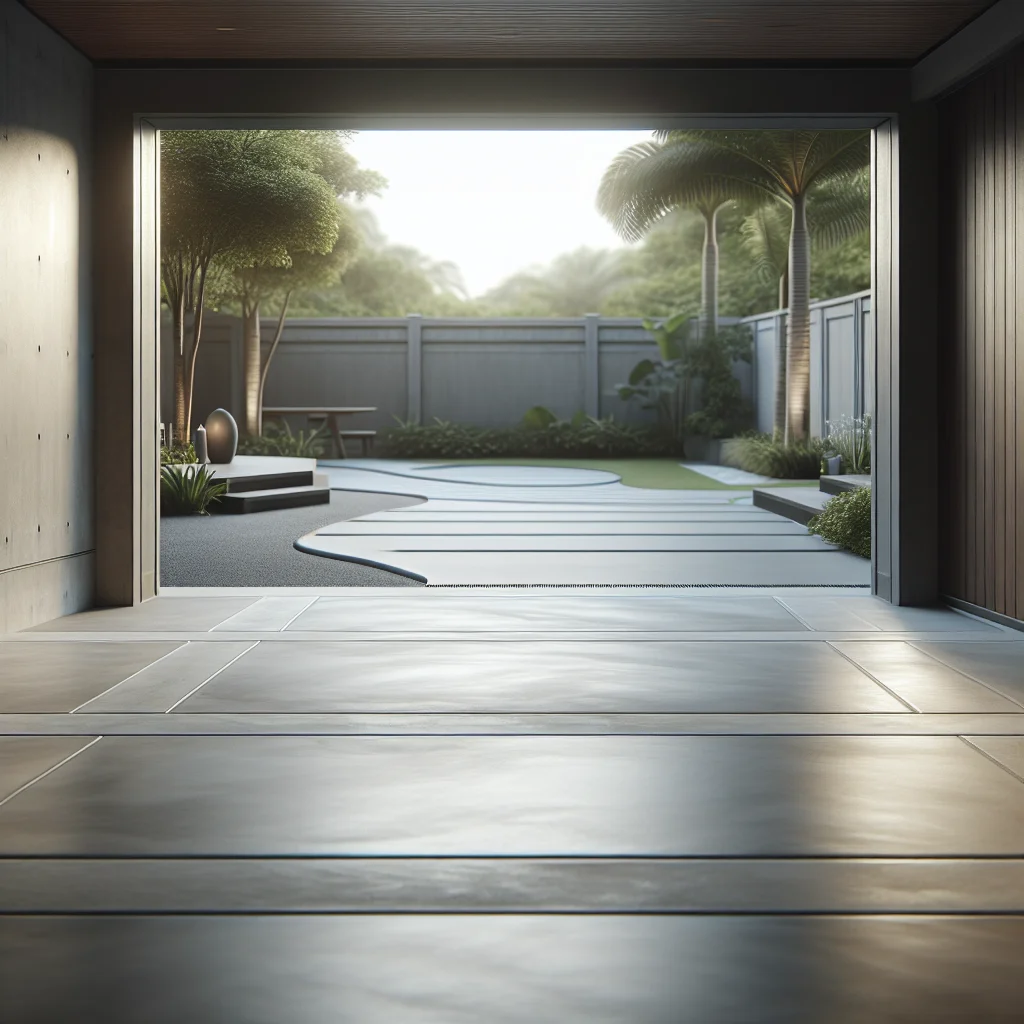
Worn, cracked, or faded concrete can drag down the look and value of a property. Resurfacing gives old slabs new life without the cost and disruption of a full replacement.
This article explains practical methods, the materials often used, step-by-step work flow, and realistic maintenance tips to keep a refreshed surface looking good for years.
When resurfacing makes sense and the main benefits
Not every damaged slab needs removal. Resurfacing is best when concrete is structurally sound but shows surface wear, hairline cracks, spalling, or discoloration.
Benefits include lower cost, faster turnaround, a choice of finishes, and less waste than tearing out and pouring new concrete.
Common signs your slab is ready for resurfacing
Look for hairline and shallow cracks, flaking or scaling, and a rough, pitted surface. Deep structural cracks, uneven slabs, or major settling usually require replacement rather than resurfacing.
Also consider age, staining, and intended use. Driveways and patios that mostly need cosmetic or thin-layer repairs are ideal candidates.
Why resurfacing instead of full replacement?
Resurfacing preserves the bulk of the existing slab, reducing labor and material costs. It cuts demolition time and the need to haul away old concrete.
It also offers decorative options like color, texture, and stamping that can refresh the look without changing slab geometry or elevations.
Common methods and material choices
Several resurfacing approaches are available depending on appearance goals, budget, and traffic load. Material choice affects durability, texture, and finish options.
Here are the most widely used options and where they shine.
Microtoppings and cement-based overlays
Microtoppings are thin cement-based layers, often 1/16″ to 1/4″ thick, that smooth and recolor surfaces. Thicker cement overlays, up to 1/2″ or more, handle minor surface defects and provide a solid wearing layer.
These mixes can be pigmented, textured, or broom-finished. They bond well to sound concrete when proper primers and profile preparation are used.
Epoxy and polyaspartic coatings
Epoxy and polyaspartic systems are resin-based. Epoxy provides a hard, glossy surface; polyaspartic cures faster and tolerates UV exposure better.
They’re popular for garage floors, patios, and commercial areas where stain resistance and a seamless finish matter. Thickness and abrasion resistance vary by formulation.
Decorative stamped or textured overlays
Overlays can be stamped or trowel-textured to mimic stone, slate, or tile. Pigments and antiquing techniques add depth and a customized look.
These finishes are more labor-intensive but yield high-end aesthetics without replacing the slab.
Typical process: surface preparation, application, and care
Success depends on preparation. Properly assessing the slab and addressing moisture, bond, and surface profile will extend the life of the new layer.
Below are practical steps and key points at each stage of the work flow.
Assessment and necessary repairs
Begin with a full inspection. Identify structural cracks, spalling, joints, and drainage issues. Small surface cracks can usually be filled; larger or moving cracks may need routed and sealed or a different solution.
Address drainage and slope problems before resurfacing. Water that pools or flows across the slab will shorten the lifespan of coatings and overlays.
Profile, cleaning, and primers
Surface profile is critical. Mechanical methods like shot blasting or diamond grinding remove contaminants and create a roughened profile for good bonding.
Thorough cleaning removes dust, oil, and salts. Many overlays require a bonding primer or cementitious bonding agent applied before the topping.
Applying the overlay or coating
Application methods vary: trowel-applied cement mixes, squeegee-applied resins, or spray systems. Follow manufacturer mix and temperature guidelines closely.
Work in manageable sections to maintain consistent texture and color. Add control joints where needed or match existing joints to control cracking.
Curing, sealing, and finishing touches
Curing protects the new layer as it hardens. Cement-based toppings often need moisture curing or curing compounds; resin systems cure according to product specs and ambient conditions.
Sealers improve stain resistance and can deepen color. Select a sealer compatible with the overlay and the desired sheen—matte, satin, or glossy.
Maintenance practices to extend life
Routine care keeps the surface performing and looking good. Sweep or blow debris, wash with mild detergent, and avoid harsh chemicals that can damage sealers.
Reapply sealers every few years as recommended. Address small chips or localized damage quickly to prevent water intrusion and undermining of the bond.
Conclusion
Refreshing a worn concrete surface can be an economical way to restore curb appeal and function. Careful material selection and attention to preparation deliver the best outcomes.
When surface issues are mainly cosmetic, resurfacing offers flexibility in finish and color with less cost and disturbance than full replacement.
Frequently Asked Questions
The questions below cover common concerns about resurfacing, lifespan, cost, and what to expect during the process.
How long does a resurfaced concrete surface last?
Life expectancy varies by system and traffic. Cement-based overlays properly applied and maintained can last 5–15 years. High-quality resin systems may last longer under the right conditions.
Regular maintenance and controlling moisture exposure are key to reaching the upper range of service life.
Can resurfacing fix deep or structural cracks?
Shallow cracks and surface defects can be repaired prior to resurfacing. Deep or active structural cracks often require targeted repair or replacement of sections before topping.
If cracking is caused by settlement or poor subgrade, resurfacing alone will not stop new cracks from forming.
Will overlays change the level or slope of the slab?
Thin overlays add minimal thickness, usually not changing overall slope. Thicker overlays or multiple layers can alter transitions to doors or adjoining surfaces and may need ramping or adjustments.
Plan edge details and transitions in advance to prevent trip hazards or drainage issues.
Are there limitations in cold or hot climates?
Material selection matters with temperature extremes. Some resins are sensitive to cold during application, while cement mixes can be affected by freeze-thaw cycles during curing.
Choose products rated for local climate and follow recommended temperature and curing windows to avoid bond failures or premature wear.
How do costs compare to full replacement?
Resurfacing is generally much less expensive than demolition and new concrete. Exact costs depend on material choice, surface condition, and finish complexity.
Obtain itemized estimates to compare labor, materials, surface prep, and any repair work needed before topping.