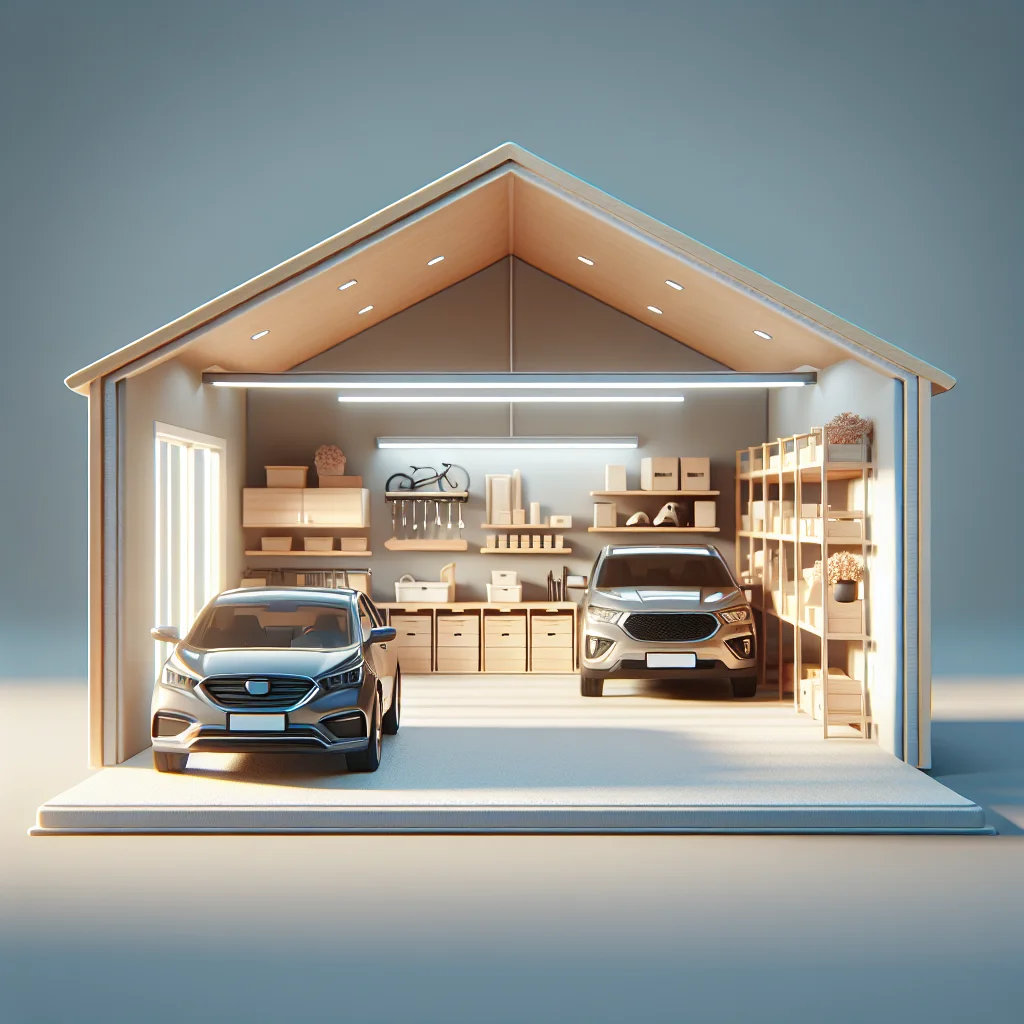
Choosing the right garage size affects daily convenience, storage space and how easy it is to park. Matching dimensions to your vehicles and how you plan to use the space prevents costly remodeling later.
This article breaks down common size ranges, clearance needs, layout ideas and planning tips. Short, clear sections help you pick a space that works well for cars, bikes and tools.
Common garage sizes and what they fit
Most homes use a few standard size ranges that balance vehicle space and construction cost. Knowing common widths and depths helps you plan parking, storage and workspace.
Single-car measurements
A basic single bay often measures about 10 to 12 feet wide and 18 to 20 feet deep. This is enough for most sedans and compact SUVs.
- Common width: 10–12 ft.
- Common depth: 18–20 ft.
- Door width: usually 8–9 ft.
Allow extra width if you expect larger vehicles or want space to open doors comfortably. Adding shelving impacts effective width.
Double-car measurements
Double bays typically start at 18 feet wide and 20 feet deep. Many homeowners choose 20–24 feet wide for more side clearance or storage space.
- Typical width: 18–24 ft.
- Typical depth: 20–24 ft.
- Door width: 16–18 ft common for a single wide opening, or two 8–9 ft doors.
Wider bays reduce door-ding risk and allow a workbench or shelving along one wall without hindering parking.
Three-car and larger bays
Three-car garages usually range from 30 to 36 feet wide, with depth similar to smaller garages. Owners who store trailers or run workshops often choose deeper bays.
- Width: 30–36 ft.
- Depth: 22–28 ft if workshop space is added.
- Consider separate doors versus a continuous opening based on design and cost.
Larger garages provide flexibility: dedicated work zones, motorcycle parking, or room for a small vehicle lift.
Height, door and clearance considerations
Vertical space matters as much as floor area. Door heights, headroom and clearances determine which vehicles fit and whether storage or lifts are possible.
Standard door heights
Most residential overhead doors come in 7 or 8 feet tall. Taller options are available for trucks, vans and lifted SUVs.
- Standard: 7 ft high.
- Taller option: 8 ft or more for larger vehicles.
Measure total vehicle height including roof racks or antennas before choosing door height.
Ceiling height and overhead storage
Ceiling height affects comfort, storage and installation of equipment like hoists or ceiling racks.
- Minimum practical ceiling: 8 ft.
- Better for storage and lifts: 9–12 ft.
- High ceilings allow attic-style storage above vehicle area.
If you plan overhead racks, leave clearance above door tracks and spring systems to avoid interference.
Clearance around vehicles
Side and front clearances change how easy it is to get in and out and to work around a parked car.
- Side clearance per vehicle: 2–3 ft desired to open doors comfortably.
- Front/back clearance: at least 2–3 ft to walk around or access trunk.
Adjust clearances when planning for larger vehicles or frequent frequent loading activities.
Layouts and storage ideas
Smart layout helps you fit cars and storage without clutter. Decide which items need daily access and which can go up high or in the corners.
Parking plus storage
Mixing parking and storage works best when storage is planned vertically or along a single wall.
- Use wall-mounted shelves to keep floor space clear.
- Ceiling racks store seasonal gear and holiday boxes.
- Keep a clear aisle at least 3 ft wide for movement.
Place frequently used items near the door to reduce trips across the garage.
Workshop and hobby zones
If you need a small workshop, dedicate one side or the rear of the garage to benches and tool storage.
- Allow a 6–8 ft deep zone for a workbench and equipment.
- Provide 3 ft of clear space in front of benches for safe movement.
- Place heavy tools on low shelves or anchor to the floor for stability.
Consider separate lighting and outlets for the hobby area to prevent interference with vehicle use.
Bike, lawn and garden storage
Smaller items can be stored using vertical solutions to save floor space.
- Install bike hooks or rails on unused wall sections.
- Use overhead racks for seasonal lawn equipment.
- Group like items together so you can reach them quickly.
Keep hazardous liquids in sealed cabinets and away from heat sources or ignition points.
Practical planning: access, placement and safety
Functionality is driven by how vehicles enter and exit, how doors align with driveways, and how utilities are placed.
Driveway alignment and approach
Think about how the driveway meets the garage. Angles, slopes and turning radius affect daily use.
- Ensure enough depth to park without blocking sidewalks or the street.
- Allow room to open doors on the curb side if the driveway is narrow.
- Flat approaches make backing easier and reduce stress on bumpers.
For tight lots, a slightly wider garage may be worth the extra cost to simplify parking maneuvers.
Electrical, lighting and ventilation
Plan outlets and lighting early. Good illumination and ventilation improve safety and usability.
- Place outlets along walls and near benches for tools and chargers.
- Install bright overhead LED lights for even coverage.
- Add a vent or fan if you run engines or use paints and solvents.
Consider dedicated circuits for heavy tools or EV chargers to avoid overloads.
Flooring and drainage
Floor finish affects maintenance and longevity. Sloped floors and drains control water runoff.
- Concrete is standard; sealed or epoxy finishes make cleaning easier.
- Include a gentle slope toward the door or a trench drain if water flow is a concern.
- Use non-slip coatings near entry points to reduce fall risk when wet.
Plan for melting snow and rain during colder months by creating easy drainage paths out of the garage area.
Budget, permits and long-term value
Size affects cost, energy use and home value. Consider both short-term budget and long-term flexibility when choosing dimensions.
Cost drivers
Width, depth and ceiling height drive material and labor costs. Doors and insulation add to the total.
- Larger openings and higher ceilings increase framing and door costs.
- Insulation and HVAC for a conditioned garage raise upfront costs but can protect stored items and tools.
- Electrics, lighting and specialty flooring are common add-ons that increase value.
Balance features with how you’ll actually use the space; an overbuilt garage rarely recoups every dollar at resale.
Permits and local rules
Check local regulations before you build or expand. Setbacks, lot coverage and height limits can affect what is allowed.
- Some areas require permits for new structures or major expansions.
- Homeowners associations may have design rules governing doors, colors and materials.
- Utility easements and drainage easements can restrict placement on a lot.
Early conversations with local planning departments reduce surprises during construction.
Energy efficiency and insulation
Insulating walls and using an insulated door improves comfort and protects stored items from temperature swings.
- Insulate exterior walls and the garage door for best results.
- Seal gaps around doors and windows to reduce drafts.
- Consider weatherstripping on the floor-level door to keep out pests and moisture.
Conditioning a garage may add cost but makes it usable year-round and can protect vehicles and equipment.
Conclusion
Choosing appropriate garage dimensions starts with the vehicles and activities you expect to house. Think ahead about clearance, storage and future needs to avoid costly changes later.
Smaller garages work when storage is planned vertically and circulation is optimized. Larger bays add flexibility but increase cost. The best choice fits vehicles, lifestyle and the lot while keeping safety and access in mind.
Frequently Asked Questions
What is the minimum size for a single-car garage?
A practical minimum is about 10 ft wide by 18 ft deep. That fits compact cars but leaves little room for storage or comfortable door opening.
How wide should a two-car garage be to fit trucks?
For trucks and larger SUVs, 22–24 ft wide gives better side clearance and space for storage along the walls. Depth of 22–24 ft helps with overhangs and rear cargo access.
Are taller doors worth the cost?
Taller doors are useful if you own tall vehicles or want to add a small lift. If you plan only sedans, a standard 7 ft door usually suffices.
How much clearance is needed to install a vehicle lift?
Most two-post lifts need at least 9–10 ft of ceiling height, while four-post lifts often work with lower heights but still require ample clearance above the lifted vehicle. Check manufacturer specs early.
Can I use part of the garage as a workshop without blocking parking?
Yes. Dedicate one side or the rear for a compact bench and tool storage. Leave a 3–4 ft clear aisle to access parked cars safely and keep heavy equipment anchored.