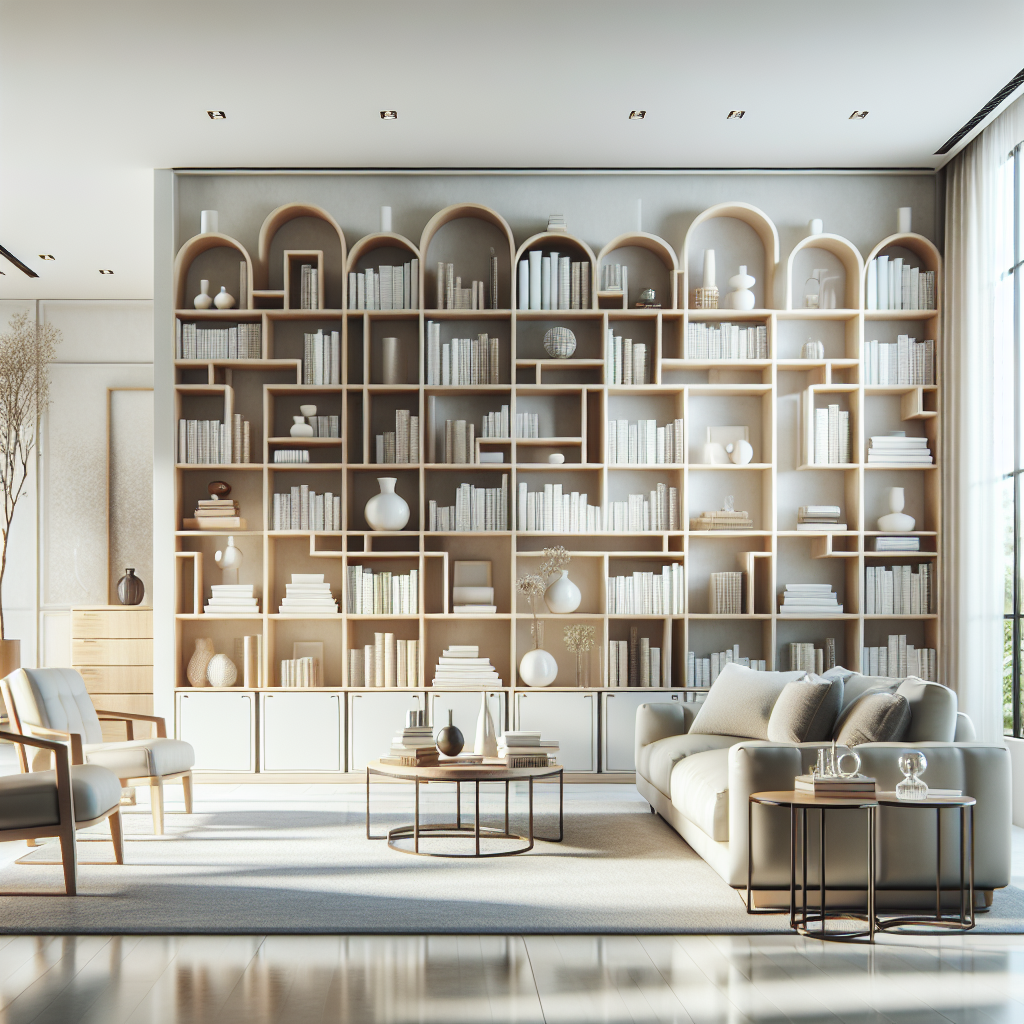
Choosing the right bookcase size makes a big difference in how a space feels and functions. This article breaks down common heights, widths, depths and shelf spacing so you can pick or design a unit that fits your collection and room layout.
Measurements below focus on practical, easy-to-find sizes and simple rules you can use when checking a store model or planning a custom piece. Short, clear explanations keep decisions quick and confident.
Typical heights and widths
Bookcases come in a few familiar height ranges that suit different uses. Each range balances capacity, stability and visual scale in a room.
Knowing the typical widths helps when planning side-by-side arrangements or fitting a unit into a niche.
Common height options
Short bookcases: 30 to 36 inches high. These work well as low storage under windows, as media stands, or in children’s rooms.
Standard medium: 48 to 72 inches high. These are versatile, fitting most living rooms, bedrooms and home offices.
Tall units: 78 to 96 inches high. Tall bookcases maximize vertical storage and are common in wall-to-wall shelving or home libraries.
Popular widths
Typical single-unit widths range from 24 to 36 inches. Narrow units (18 to 22 inches) suit tighter spaces or act as supplementary shelving.
Modular and built-in setups use repeated widths to create longer runs. Standard widths ease replacement and matching across brands.
Matching scale to room size
Small rooms benefit from low or narrow units to keep sightlines open. Large rooms can accommodate taller, wider shelving without overwhelming the space.
Measure ceiling height and door clearances before choosing tall units to avoid surprises during delivery or installation.
Shelf spacing and depth
Shelf depth and spacing determine what a shelf can hold and how attractive the arrangement looks. Depth affects how far items sit from the wall and whether a book can be stored comfortably.
Shelf spacing should match the height of the items you plan to keep, while depth varies by item type and aesthetic preference.
Standard shelf depths
8 to 10 inches: Good for paperback novels, small decor, framed photos and magazines that lie flat.
11 to 12 inches: The most common depth for hardback books and general-purpose shelving. This depth supports most book sizes without looking crowded.
14 to 16 inches: Deeper shelves for large art books, storage baskets or multimedia equipment. Deeper shelves may need added support to avoid sag.
Shelf spacing recommendations
Small paperbacks and stacked items: 7 to 9 inches between shelves.
Most hardbacks and mixed collections: 10 to 12 inches between shelves.
Tall books, binders, or display items: 13 to 16 inches per shelf. Adjustable shelves are ideal when you have a variety of heights.
Adjustability and fixed shelves
Adjustable shelves add flexibility and extend the useful life of a bookcase. Fixed shelves can provide greater strength and a cleaner look if your needs are stable.
When choosing adjustable systems, check hole spacing and shelf support type to ensure fine-tuning is possible without wasted space.
Planning use and room placement
Think about how the shelf will be used: storage, display, or both. Use affects size, strength and finish choice.
Placement in a room should account for traffic, natural light, and nearby furniture so the bookcase enhances rather than interrupts the flow.
Measure twice, pick once
Measure the wall width, ceiling height and doorways. Note baseboard and molding that reduce usable width or height.
Leave a small gap behind tall units to allow air circulation and to avoid trapping moisture against the wall surface.
Spacing around the bookcase
Allow at least 2 to 4 inches of clearance on either side for visual breathing room, unless the unit is intended as a tight built-in look.
For freestanding shelves, keep 12 to 18 inches of walking space in front so books and decor can be accessed comfortably.
Grouping multiple units
When lining up multiple units, use identical widths and consistent shelf heights for a cohesive look. A staggered mix can create visual interest but requires careful planning.
Consider a continuous top molding to unify separate pieces and make the run feel intentional and built-in.
Materials and weight considerations
Material choice affects strength, cost and appearance. Thickness and support type determine how much weight each shelf can safely hold.
Estimating weight per shelf helps avoid sag and ensures long-term durability, especially with heavy books or large collections.
Common materials and their traits
- Solid wood: Strong and attractive, but can be expensive and heavy. Thicker shelves resist sag.
- Engineered wood (plywood, MDF): Cost-effective and stable if properly finished. Plywood resists moisture better than MDF.
- Metal framing with wood or metal shelves: Very strong for heavy loads and modern styles. Often used for industrial or open shelving.
Preventing shelf sag
Shelf thickness of at least 3/4 inch (18-20 mm) is common. For heavier loads, choose 1 inch or add center supports or brackets.
Span matters: shorter spans between supports reduce sag. For wide shelves over 36 inches, consider a center support or divide into narrower bays.
Anchoring and safety
Tall or heavy bookcases should be anchored to the wall to prevent tipping, especially in homes with children or pets.
Mounting hardware and studs are preferred over drywall anchors for maximum safety and stability.
Conclusion
Picking the right bookcase size means balancing height, width, depth and shelf spacing with the items you own and the room you live in. A few careful measurements and an understanding of common sizes make shopping or designing much simpler.
Choose materials and support systems that match the weight you expect to store, and plan placement to avoid blocking traffic or light. Small changes in shelf spacing or depth can greatly increase usefulness without major cost changes.
Frequently Asked Questions
What height is best for general home use?
For most rooms, a height between 48 and 72 inches is versatile. It offers good storage while remaining manageable for moving and anchoring.
How deep should shelves be for large hardcovers?
Aim for 12 to 16 inches of depth to comfortably hold large art or coffee table books. Deeper shelves allow for bookends and decorative layering.
How far apart should adjustable shelf holes be?
Hole spacing of 1 inch is common and provides fine-tuning. Some systems use 32 mm increments (about 1.26 inches) for consistent, modular adjustments.
Can I stack heavy books on a single shelf without support?
Stacks of heavy books can cause sag over time. If the span exceeds 36 inches or the books are especially heavy, add a center support or choose a thicker shelf material.
Are built-in shelves better than freestanding units?
Built-ins offer a seamless look and use space efficiently but cost more and are permanent. Freestanding units are flexible and easier to move or upgrade.
What should I do if my bookcase doesn’t fit through the doorway?
Measure door height and width and compare with the bookcase dimensions, including any protruding molding. If it won’t fit, consider removable shelving, disassembling the unit, or choosing a narrower model.