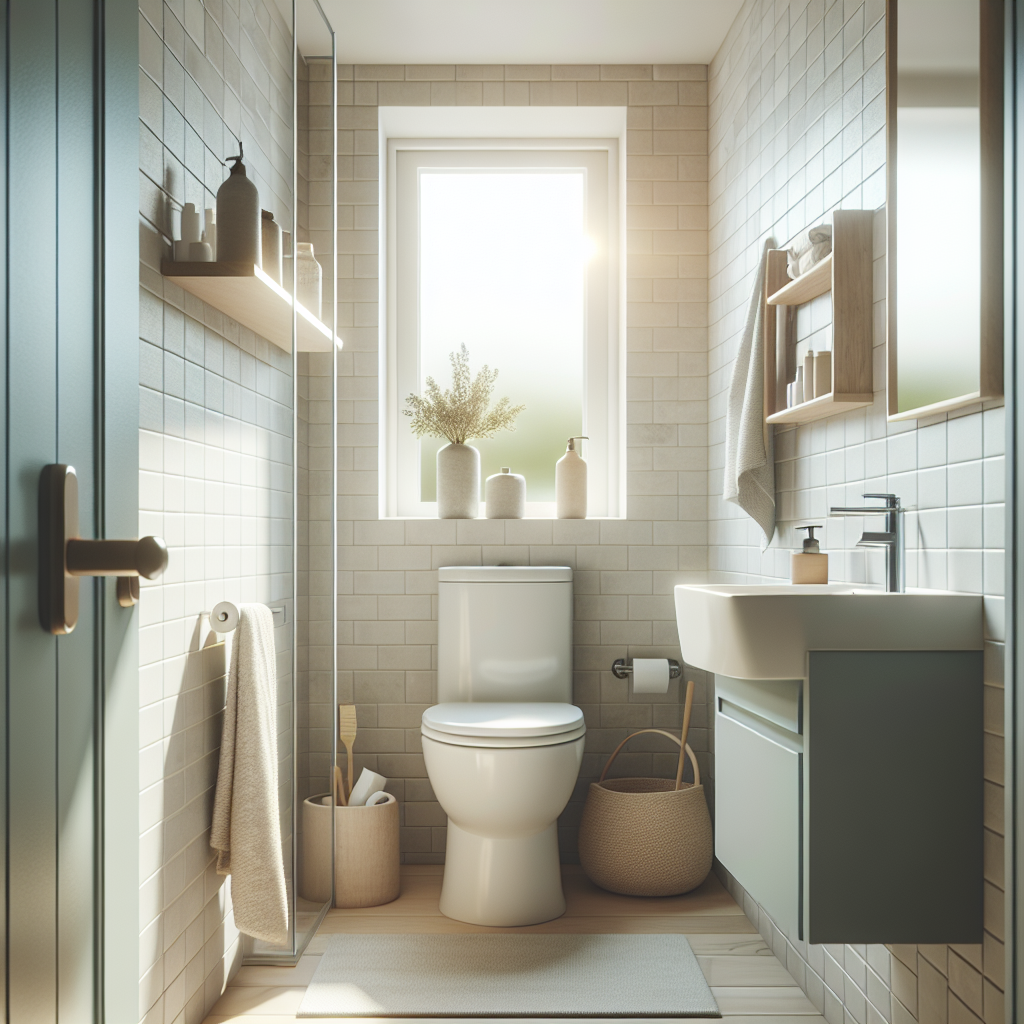
Picking the right toilet size makes a small bathroom feel roomy and a large bathroom feel balanced. Knowing common measurements helps when replacing a fixture or planning a new layout.
This article breaks down typical toilet dimensions, rough-in sizes, bowl shapes and clearance needs. It gives clear numbers and practical tips to match a toilet to your space and comfort preferences.
Common sizes and core measurements
Most toilets follow a few consistent measurements that matter for installation and comfort. These include rough-in distance, overall length, width, and height.
Understanding these helps you avoid return trips, unexpected plumbing moves, and cramped layouts.
Rough-in distance explained
Rough-in is the distance from the finished wall to the center of the toilet flange on the floor. The most common is 12 inches.
Other less common options are 10 and 14 inches. If your existing toilet uses a different rough-in, swapping to a 12-inch toilet may require relocating plumbing.
Toilet length and bowl shape
Round bowls are shorter front-to-back and fit better in tight spaces. Typical round bowl length is about 27 inches from the wall to the front of the bowl.
Elongated bowls add about 1.5–2 inches, so bowl length usually runs 28–30 inches. That extra length gives a more comfortable seating area for many people.
Width and seat clearance
Toilet widths vary less dramatically. Most units measure 20–22 inches across the widest point, usually the tank or bowl.
Key clearance rules include at least 15 inches from the centerline of the toilet to a side wall or other fixture, and about 24–30 inches in front for legroom.
Height options and comfort considerations
Toilet height affects comfort, accessibility, and who will use the bathroom most often. There are clear differences between standard and taller models.
Choosing the right height can reduce strain and improve usability for children, older adults, and people with mobility issues.
Standard vs comfort height
Traditional or standard toilets sit around 14–15 inches from floor to seat top. These are common in older homes and in designs aimed at children.
Comfort, also called chair-height toilets, typically measure 17–19 inches. This height aligns more closely with standard chair heights and eases sitting and standing.
ADA and accessible heights
Accessible toilets often specify a seat height of 17–19 inches to meet mobility needs. These models usually pair with grab bars and extra clearances.
Even if ADA rules don’t apply, choosing a higher seat can be a practical comfort upgrade for many households.
Layout tips to fit toilets into small and large bathrooms
Toilets impact bathroom flow more than many expect. A few layout changes provide more space and better function without big remodeling.
Assessing door swings, fixture order, and clearance zones helps determine the best toilet shape and location.
Narrow bathrooms and compact choices
In narrow rooms, round-bowl toilets and wall-mounted tanks save depth. Consider a round bowl when floor space in front of the toilet is limited.
Wall-hung toilets free up floor area and can visually enlarge a room, but they require a carrier frame inside the wall and might be costlier.
Toilets in larger layouts
In a spacious bathroom, elongated bowls and comfort heights enhance comfort. You can center the toilet on a wall to create a balanced look with surrounding fixtures.
Leave clear floor space of at least 30 inches wide and 24–36 inches deep to allow comfortable access and cleaning.
Specific measurements to keep on hand
When shopping or measuring an existing toilet, these numbers will be the most useful to confirm fit and compatibility.
Write them down and compare to product specs to avoid surprises during installation.
Quick reference sizes
- Rough-in: 12″ standard; 10″ and 14″ less common
- Round-bowl depth: about 27″ overall
- Elongated-bowl depth: about 28–30″ overall
- Width (tank/bowl): typically 20–22″
- Seat height: standard 14–15″, comfort 17–19″
- Centerline to side wall: minimum 15″
- Clearance in front: recommended 24–30″
Flushing and trapway sizes
Trapways and flush systems influence performance and the unit’s profile. A larger trapway can reduce clogs; siphon or pressure-assisted systems affect noise and water use.
Most modern toilets meet water efficiency standards, but check the flush volume (usually 1.28–1.6 gallons per flush) if water use matters in your area.
Design choices that affect size and placement
Beyond raw measurements, design features change how a toilet fits visually and practically. Choose based on space, cleaning ease, and aesthetic goals.
Consider tank shape, concealed trapways, and one-piece vs two-piece construction when evaluating dimensions and cleaning needs.
One-piece vs two-piece units
One-piece toilets often look sleeker and are easier to clean because there’s no seam between tank and bowl. They can be slightly heavier and more expensive.
Two-piece models are common, often cheaper, and easier to carry through doorways since tank and bowl separate.
Concealed trapways and wall-mounted options
Concealed trapways produce a smooth profile that’s easier to wipe down and can make a bathroom feel less cluttered.
Wall-mounted toilets reduce floor coverage and make mopping simpler. They require strong wall framing or a carrier system and careful planning of in-wall plumbing depths.
Installation notes and measurement checks
Before buying, measure existing rough-in and the distance from walls to the flange center. Confirm tank width and seat height to ensure compatibility with nearby fixtures.
Also consider door swing, vanity placement, and any obstructions like radiators or grab bars that affect clearance.
Steps to measure an existing toilet
- Measure rough-in: from finished wall to center of flange or bolts.
- Measure overall depth: from wall to front rim.
- Measure width across the widest point.
- Measure seat height from floor to top of seat.
Things installers watch for
Plumbing pros check flange condition and floor level. Old flanges may sit below finished floor height and need an extender or replacement.
They also confirm drain alignment and whether a new model requires changing water supply location or flange type.
Conclusion
Knowing typical toilet measurements prevents costly mistakes and improves comfort. Focus on rough-in, bowl shape, seat height, and clearance when selecting a model.
Match the toilet to the room’s dimensions and the household’s needs to create a bathroom that functions well and looks balanced.
Frequently Asked Questions
What is the most common rough-in size?
Twelve inches is the most common rough-in size. It fits the majority of modern toilets and is the default measurement many manufacturers design around.
Which bowl shape saves space?
Round bowls save depth and are best in tight bathrooms. Elongated bowls offer more comfort but require extra room front-to-back.
How tall should a toilet seat be?
Comfort heights of 17–19 inches suit adults and those with mobility needs. Standard seats at 14–15 inches may be better for children and lower-profile rooms.
Can I install a 14-inch rough-in toilet on a 12-inch flange?
Mismatched rough-ins can be problematic. A 14-inch toilet needs the flange further from the wall; using an extender or moving the flange may be necessary. Measure carefully before purchase.
Do wall-hung toilets require special framing?
Yes. Wall-hung units need a carrier frame secured between studs to support the bowl and tank. The in-wall space must also allow for plumbing connections and carrier depth.
How much clearance is needed around a toilet?
A minimum of 15 inches from centerline to side walls and 24–30 inches in front offers reasonable comfort. More space improves access and cleaning convenience.
Are one-piece toilets better than two-piece?
One-piece toilets are easier to clean and look seamless, but they can be heavier and pricier. Two-piece models are common and usually less expensive while still performing well.