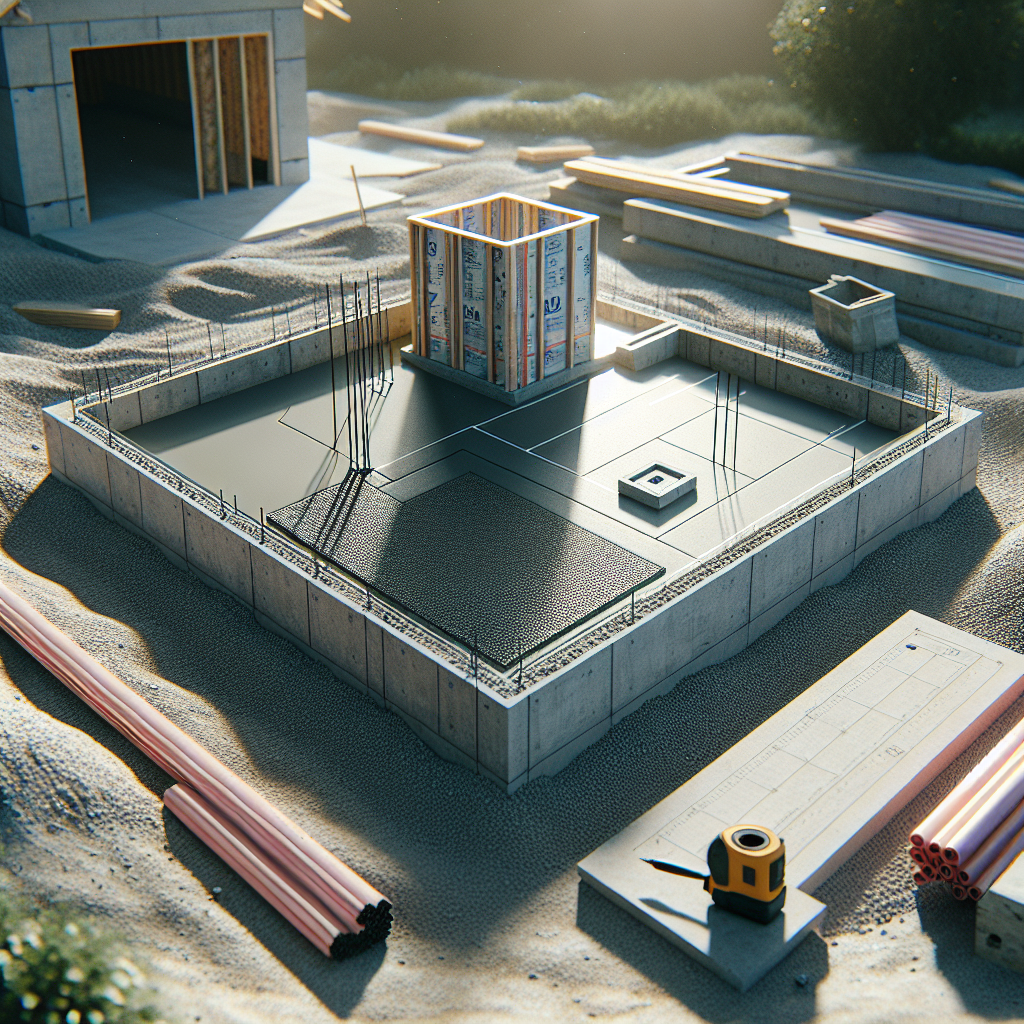
Choosing the right foundation for a compact home shapes its lifespan, comfort, and maintenance needs. Small dwellings demand solutions that balance cost, stability, and energy efficiency.
This article breaks down practical options, site checks, and construction concerns so decisions feel clear and grounded in real conditions.
Why a proper base matters
The foundation transfers loads to the ground and controls moisture and temperature under the floor. A poor choice leads to cracking, damp, and higher heating bills.
For small homes, mistakes show quickly: uneven floors, stuck doors, and visible cracks. Prioritizing the right base saves money and time over the lifetime of the home.
Function and performance
Foundations must support weight, resist settlement, and limit water and heat flow. Each soil and climate type changes which option will perform best.
Cost vs. longevity
Spending a bit more up front on drainage and insulation can reduce repair and energy costs later. Low initial cost does not always equal long-term savings.
Common foundation types for compact homes
Small homes typically use a handful of foundation styles that suit different soils and budgets. Each type has clear pros and cons based on local conditions.
Below are the most common choices and what to expect from each.
Slab-on-grade
A level concrete slab poured directly on the ground. It is fast to build and often cheaper where frost is not deep.
Insulation under the slab improves comfort and reduces heat loss. Slabs can be prone to cracking if drainage and compaction are not handled properly.
Crawlspace
A raised, shallow void between the ground and the floor. Crawlspaces give access to plumbing and wiring and help with damp control in wet areas.
When vented, they need careful moisture management. Sealed and insulated crawlspaces perform better but require good construction to avoid mold.
Pier-and-beam
Piers (concrete columns) support beams that hold the floor. This system suits sloped sites and areas with soft soil.
Pier foundations use less concrete than full slabs and allow airflow beneath the home, but they must be protected against moisture and pests.
Strip footings
Continuous concrete strips under load-bearing walls are common when a small home has simple rectangular plans. They are straightforward and economical on stable soils.
Strip footings require accurate trenching, reinforcement, and frost protection to prevent frost heave and cracking.
Assessing site and soil before choosing
Site conditions often dictate which foundation makes sense. A basic inspection and a few tests will clarify risks and needed measures.
Small homes benefit from focused assessments: a little upfront knowledge prevents major fixes later.
Soil type and bearing capacity
Sandy soils drain well but shift under load. Clay can expand and shrink with moisture, causing movement. Rocky sites provide strong support but can add excavation costs.
Simple tests like the hand squeeze test and a basic percolation check provide initial clues. When in doubt, a local soil report helps.
Groundwater and drainage
High water tables and poor surface drainage increase risk of damp and hydrostatic pressure on walls. Elevating the base or adding drainage trenches reduces that risk.
Plan for surface runoff away from the building and consider gutters, swales, and gravel drains to keep water moving off the site.
Slope and frost depth
Sloped lots may need stepped or deeper footings to reach stable soil. In cold climates, foundations must be set below frost depth or insulated against freeze-thaw cycles.
Local codes often dictate minimum depths. Check regional frost data before selecting a type.
Design choices that affect comfort and cost
Beyond type, design details like insulation, moisture barriers, and ventilation create big differences in living comfort and long-term value.
Analyze how each decision affects energy use, maintenance needs, and durability.
Thermal insulation
Insulating the base reduces heat loss through the floor and lowers heating loads. Rigid foam under slabs or around perimeter footings works well in many situations.
Crawlspaces need insulated and sealed floors or walls to prevent cold spots and condensation under the house.
Moisture control
Vapor barriers beneath slabs or on crawlspace floors stop ground moisture from rising into the home. Combine vapor control with good ventilation to limit condensation risks.
Exterior grading, gutters, and French drains complement internal measures to keep foundation zones dry.
Reinforcement and joints
Concrete needs the right reinforcement and control joints to manage shrinkage and prevent random cracking. Reinforcing mesh or bars are common in slabs and strips.
Proper joint placement and thoughtful reinforcement reduce repairs and keep floors level longer.
Adaptation to hazards
Areas prone to flooding, seismic activity, or termites require tailored solutions. Elevation, bolting, and treated materials protect the structure from local threats.
Consult local building practices to address specific risks while choosing a cost-effective approach.
Practical tips during construction and upkeep
Small home projects benefit from careful site prep and attention to simple details during construction. These steps often cost little but pay off in reliability.
Maintenance is mostly about keeping water out and monitoring for early signs of movement or moisture.
Site preparation essentials
- Clear organic topsoil and compact subgrade to a uniform surface.
- Use gravel layers for drainage beneath slabs where needed.
- Ensure formwork is level and stable before pouring concrete.
Insulation and air sealing
Insulate edges and under floors where heat loss is greatest. Seal gaps around penetrations to prevent drafts and moisture movement.
Simple tape and foam at joints and penetrations reduce heat loss and keep pests out.
Drainage and landscaping
Sloping soil away from the base and finishing grades with hardscape or planting prevents water pooling. Gutters and downspouts should discharge away from the foundation.
Maintain vegetation at a distance to avoid roots affecting foundations and to allow inspection access.
Monitoring and minor repairs
Check for small cracks, level changes, or damp spots seasonally. Early intervention with local repairs prevents larger problems later.
Keep records of repairs and any changes in surrounding grading or drainage that could affect performance.
Conclusion
Choosing a foundation for a small home means balancing site realities, budget, and long-term performance. Simple investments in drainage, insulation, and proper soil preparation often deliver the best value.
Focus on matching the foundation type to soil and climate, and pay attention to moisture control. That approach keeps a compact home stable, efficient, and comfortable over many years.
Frequently Asked Questions
Below are common questions people have when planning the base of a small dwelling, with concise answers to clarify choices.
Which foundation is cheapest for a small home?
In mild climates with stable soil, a slab-on-grade is often the most economical. It uses less labor and materials than deeper footings, but needs good site prep and drainage to avoid problems.
When is a crawlspace better than a slab?
A crawlspace is useful on damp sites or where access to plumbing and wiring is needed. It also helps raise the floor above minor flooding and offers space for mechanical systems.
How deep must footings go in cold regions?
Footings should be set below the local frost line to avoid uplift from freeze-thaw cycles. Regional building codes specify frost depth and minimum footing dimensions.
Is insulation under the slab worth the cost?
Yes. Insulation under a slab reduces heat loss, improves comfort, and can lower heating bills. The investment often pays back over a few years in colder climates.
How to prevent moisture under the house?
Combine exterior drainage, sloped grades, gutters, and a vapor barrier under slabs or on crawlspace floors. Proper ventilation or sealing of crawlspaces also helps control humidity.