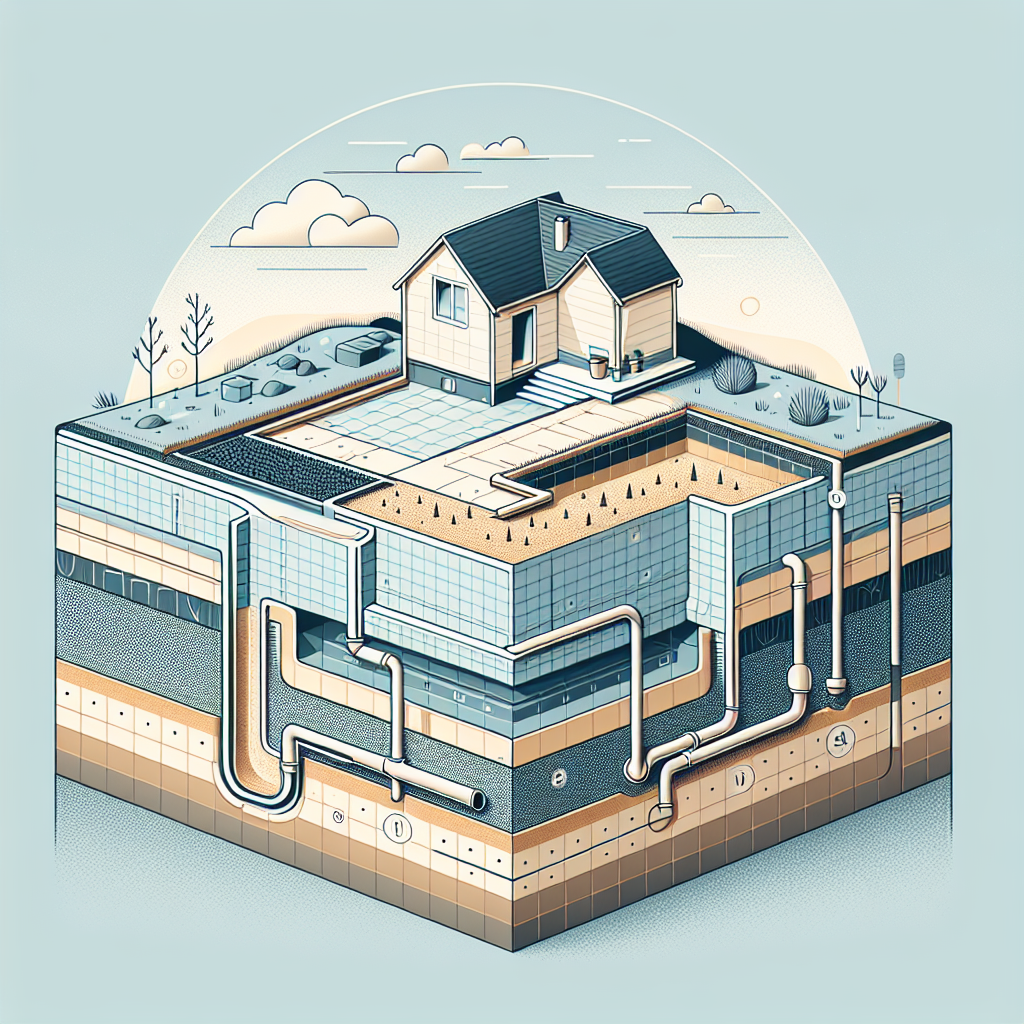
Moisture creeping into a foundation can lead to mold, wood rot, and expensive structural issues. Knowing how water reaches a foundation and what to do about it helps keep a home dry and long-lasting.
This article breaks down effective ways to prevent water entry, choose the right materials, and keep systems working through the seasons. Practical steps and clear checks are included to help make smart decisions.
Why moisture in foundations matters
Water around or under a foundation weakens soil and increases pressure on foundation walls. That pressure can cause cracks, leaks, and movement over time.
Even small, chronic damp spots can raise humidity indoors and lead to mold or musty odors. Early action reduces repair cost and protects indoor air quality.
Common signs of water issues
Look for efflorescence, peeling paint, damp corners, and mildew smells. Floors that feel cold or appear stained may also point to moisture problems.
Cracks in walls or floors, bulging blocks, and visible water after heavy rains are clear warnings to inspect drainage and barriers.
Typical causes of leaks
Surface runoff, poor grading, clogged gutters, and high groundwater are frequent culprits. Plumbing leaks or condensation can also mimic foundation leaks.
Soil that expands when wet and shrinks when dry adds cyclic stress to foundations, making small defects worse over time.
Effective methods to keep water out
There are several practical approaches to reduce water entry. Each method targets a different point in the water pathway: surface, wall, or below-grade.
Combining methods is often best. Exterior work prevents water from ever touching the wall, while interior systems handle water that finds its way in.
Exterior membrane systems
Rubberized membranes and asphaltic coatings applied to the outside face form a continuous barrier. They stop most liquid water and reduce vapor drive.
Paired with drainage boards that direct water down to a drain, membranes create a defensive layer that keeps walls dry and reduces hydrostatic pressure.
Interior drainage and collection
Interior drain channels collect incoming water and route it to a sump or drain. These systems are useful when exterior access is limited or soil is saturated.
A properly installed channel combined with a reliable pump moves water away before it spreads into living areas.
Crack repair and sealing
Epoxy injection or polyurethane foams fill active and dormant cracks in concrete. These materials restore structural integrity and limit water paths.
For block walls, using hydraulic cement or relevant sealants at joints and openings stops seepage at its source.
Materials and installation tips
Choosing durable materials and following correct installation steps makes the difference between a one-time fix and a lasting solution. Material choice depends on soil, climate, and access to the foundation exterior.
Always match material properties to the job: flexible products work better where movement is expected, rigid systems suit stable walls with low movement.
Membranes and coatings
Sheet membranes offer robust protection but need careful sealing at corners and penetrations. Liquid-applied membranes conform to irregular surfaces and create fewer seams.
Coatings like asphalt emulsion are cost-effective for moderate conditions, while high-performance rubberized layers resist soil chemicals and tears.
Drainage components
Perforated drain pipes placed at the footing level keep water moving away from the base. Use clean gravel around the pipe to avoid clogging.
Drainage boards and geotextile filters prevent soil from fouling the drainage layer and help maintain long-term flow.
Sump systems and pumps
Sump basins collect water routed from drains. A reliable pump removes that water to an appropriate discharge point away from the home.
Choose a pump with enough capacity for peak inflow and consider backup power options if outages are common in your area.
Maintenance and seasonal care
Even well-built systems need regular checks. Small clogs or minor damage left unchecked can undermine protection quickly.
Set a schedule for inspection after storms, at the start of wet seasons, and during freeze-thaw cycles to catch issues early.
Inspecting gutters and downspouts
Clean debris and ensure downspouts discharge water at least several feet from the foundation. Extensions or splash blocks reduce soil saturation near the foundation line.
Check fasteners and pitch so water flows freely; blocked flow sends more water toward the foundation than intended.
Checking interior systems
Test sump pumps periodically by adding water and watching for proper activation and discharge. Check seals and basin integrity for cracking or buildup.
Interior drainage channels should be inspected for sediment; use vacuuming or flushing to restore flow when needed.
Landscaping and grading
Soil should slope away at a gentle grade for at least several feet. Plant beds kept close to the foundation can trap moisture; use raised beds or barriers to protect the wall.
Root systems from large trees near the foundation can change grading and create pathways for water. Keep large trees at a safe distance when possible.
Estimating costs and planning projects
Costs vary by method, access, and material quality. Exterior excavation and membrane installation tend to be pricier but offer long-term protection.
Interior systems cost less up front and are effective where exterior work is impractical. Consider long-term maintenance and energy impacts when comparing options.
Factors that affect price
Depth of excavation, type of soil, need for structural repairs, and local labor rates drive cost. Access restrictions increase labor time and total expense.
High-quality materials reduce the chance of early failure and can save money over the life of the home despite a higher initial outlay.
Planning steps
- Assess visible signs of water and trace likely flow paths.
- Check grading and gutter performance during a heavy rain.
- Decide whether exterior or interior work best suits access and budget.
- Choose materials rated for local soil and climate conditions.
- Schedule regular inspections after installation to keep systems working.
Conclusion
Keeping a foundation dry requires a mix of prevention, proper materials, and routine care. Addressing surface runoff and ensuring effective drainage reduces pressure on walls and minimizes leak risk.
Whether choosing exterior barriers or interior collection systems, aim for durable components and realistic maintenance plans to protect the structure and indoor air quality over time.
Frequently Asked Questions
How can I tell if water is coming from outside or inside?
Check timing and location. Water appearing after heavy rain usually comes from outside. Persistent damp in one spot, especially near plumbing, may indicate a pipe leak or condensation.
Is interior sealing enough to stop foundation dampness?
Interior sealing can stop visible leaks and improve appearance, but it often doesn’t address the root cause like poor drainage or high groundwater. Pair interior work with drainage fixes for best results.
When is exterior work the better choice?
Exterior work makes sense when soil saturation or hydrostatic pressure is forcing water through walls. It prevents water from ever contacting the wall and often provides longer protection.
How often should sump pumps be tested?
Test a sump pump at least twice a year, and more often if your area has heavy seasonal rains. After power outages or storms, verify the pump runs and the discharge path is clear.
What simple steps reduce moisture risk right away?
Keep gutters clean, extend downspout discharge away from the foundation, maintain positive soil grade, and remove debris near walls. These steps reduce surface water pooling and lower immediate risk.