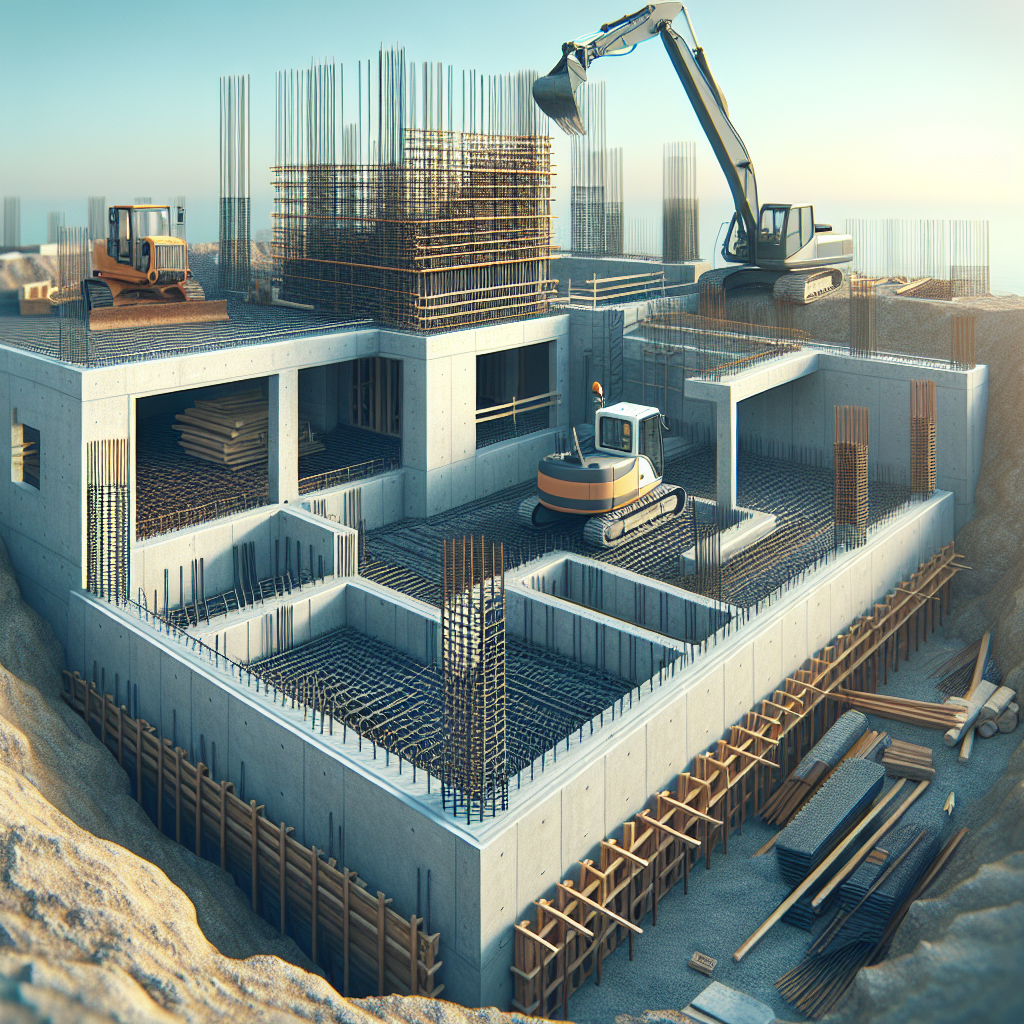
Knowing how much a foundation will add to a home budget helps avoid surprises during planning. This article breaks down typical costs per square foot, what changes the price, and practical ways to shape estimates you can trust.
The numbers here reflect common scenarios across different foundation styles and site conditions. Read on to compare types, spot hidden charges, and learn realistic ranges to expect when planning a build or major repair.
Primary factors that shape price
Costs vary because foundations are not just concrete slabs. Soil, climate, access, and house design all play a role. Even small site quirks can push prices up significantly.
Contractor choices and local permits add to the final figure. Understanding the main drivers lets you estimate more accurately and discuss priorities with your team.
Soil and site conditions
Loose, expansive, or rocky soil often needs extra preparation like grading, compaction, or importing fill. That raises labor and equipment costs.
Sites on slopes may require retaining walls or stepped footings, which increase complexity and materials. Wet sites can need drainage systems and waterproofing, also adding to cost.
Foundation type
Common options include concrete slab, crawlspace, and full basement. Each has different material and labor needs that translate to different per-square-foot prices.
Basements require more excavation, concrete, and waterproofing, typically making them the costliest option per square foot. Slabs are usually the least expensive but can limit access to utilities.
Design and load requirements
Heavier structures or unusual layouts may need larger footings or deeper piers. That means more concrete and rebar and often specialized labor.
Architectural features like overhangs, cantilevers, or large window openings can require custom reinforcement that raises the bill per square foot.
Average cost per square foot by foundation type
National averages give a starting point, but local prices can differ. Below are typical ranges you can expect for common foundation options.
These ranges include materials and labor but not special site work like major excavations or complex drainage systems.
Concrete slab
Concrete slabs are common in warm climates and for simpler homes. Typical costs range from low to moderate per square foot.
Expect variations based on slab thickness, reinforcement (mesh or rebar), and finishing. Including insulation or radiant heating will add to the price.
Crawlspace
Crawlspaces sit above the ground and usually require concrete footings and short walls or piers. They offer easier access to plumbing and wiring.
Crawlspace costs are often mid-range per square foot. Costs rise if you add encapsulation, venting systems, or insulation to control moisture and temperature.
Full basement
Basements cost the most per square foot because of deeper excavation, taller foundation walls, reinforcement, and waterproofing needs.
Finishing the basement as living space further increases costs. Unfinished basements still raise the foundation bill compared to slabs or crawlspaces.
Breaking down the components of cost
Understanding where money goes helps make better choices. A foundation includes materials, labor, equipment, engineering, and permits.
Some items are predictable; others depend heavily on your site and design. Here’s how costs tend to split.
Materials
Concrete mix, rebar, formwork, masonry blocks, and waterproofing are the main material items. Prices for concrete and steel fluctuate with market demand and transport costs.
Higher-grade waterproofing, insulation, or specialized membranes will add to material costs but can save on future repairs and energy bills.
Labor and equipment
Skilled labor for excavation, forming, pouring, and finishing can be a large share of total cost. Ease of access and local labor rates strongly affect the final figure.
Heavy machinery rentals for excavation and compaction add daily costs. Long haul distances for equipment or limited site access increase labor time and expense.
Engineering and permits
Structural plans and engineering reviews ensure the foundation meets codes and handles loads correctly. These reviews add upfront costs but reduce risk of structural failure.
Permit fees and inspections vary widely by location. Some municipalities charge significant amounts for review and multiple inspections during the build.
Estimating total foundation cost from per-square-foot numbers
Per-square-foot figures give a quick estimate, but adjust them based on site work and extras. Start with the average rate, then add allowances for known issues.
Use a simple formula: base rate × area + site allowances + contingencies. This helps communicate a realistic budget to contractors and lenders.
Calculating base cost
Multiply the home’s footprint in square feet by the chosen per-square-foot rate. This gives the core foundation cost before site-specific work.
Example: a 1,800 sq ft footprint at a mid-range rate yields a straightforward baseline. Always label this as an initial estimate, not a final quote.
Adding site allowances
Include allowances for excavation, rock removal, soil improvement, and drainage. If you suspect poor soil or a steep lot, increase the allowance accordingly.
Common site allowances range from a few hundred to several thousand dollars depending on scope. Ask a contractor to assess the property early.
Contingency and unexpected costs
It’s wise to add a contingency of 5–15% to the total foundation estimate. Hidden issues often appear once digging begins.
Examples of surprises include buried debris, undocumented utilities, or sudden groundwater that requires extra pumps or design changes.
Ways to manage foundation expenses
Reducing cost doesn’t mean cutting quality. Thoughtful choices in design, materials, and planning can lower expense while protecting the structure.
Working with experienced contractors early and getting multiple estimates helps identify efficient options suited to the site.
Choose the right type
Select a foundation that meets needs without overbuilding. A slab may be perfect in many climates, while a basement makes sense only when the extra space or slope justifies cost.
Discuss long-term value. A higher initial cost for a well-insulated foundation can reduce heating and cooling costs over decades.
Simplify layout and geometry
Complex footprints with many corners, steps, or variable levels increase formwork and labor. Simpler rectangular or square layouts typically cost less per square foot.
Minimizing unnecessary overhangs and projections keeps the foundation straightforward and reduces custom reinforcement needs.
Plan site work early
Early soil testing and site evaluation reduce the chance of surprises. Knowing soil type ahead of bids helps contractors give accurate pricing.
Early decisions about drainage and grading often prevent costly retrofit work after the foundation is in place.
Common add-ons and their impact
Some items frequently appear as add-ons and can change per-square-foot math. Knowing these helps you budget wisely.
Add-ons may be necessary for code compliance or chosen for performance and comfort.
Waterproofing and drainage
Exterior membranes, drainage boards, and sump systems protect against moisture but add to upfront costs. They are essential in wet climates and often required for basements.
Failing to invest in good waterproofing can lead to costly repairs and mold issues later, increasing lifecycle expense.
Insulation and energy measures
Insulating foundation walls or adding foam under slabs raises initial spend but improves thermal performance. This lowers energy bills and can make living spaces more comfortable.
Insulation choices depend on climate and whether the foundation will be part of conditioned living space.
Radon mitigation and special codes
In areas with radon concerns or strict codes, mitigation systems or design tweaks may be required, adding to the budget.
Knowing local requirements early prevents last-minute compliance costs and schedule delays.
Conclusion
Estimating foundation cost per square foot gives a helpful baseline, but the true price depends on many site and design factors. Plan early, test the soil, and compare bids closely.
Choosing the right foundation type and investing in necessary site work and waterproofing can protect value over time. A clear budget with contingencies keeps surprises manageable.
Frequently Asked Questions
What is the cheapest reliable foundation option?
Concrete slabs are usually the least expensive reliable option in many climates. They use less excavation and require fewer materials than basements, but they offer limited access to utilities.
How much does soil testing add to the project?
A basic soil test is a relatively small cost compared to total foundation expenses. It typically pays off by clarifying soil risks and helping contractors give accurate bids.
Will a basement always cost more per square foot?
Yes, basements often cost more per square foot because of deeper excavation, taller walls, and extra waterproofing. Finishing the basement increases cost further.
Should I budget a contingency for foundation work?
Including a contingency of 5–15% is prudent. Hidden conditions like rock, water, or unexpected utilities frequently appear during excavation and require adjustments.
Can better waterproofing reduce long-term costs?
High-quality waterproofing can reduce future repair and maintenance costs and protect living spaces from moisture damage. It is often worth the upfront investment in wet climates.