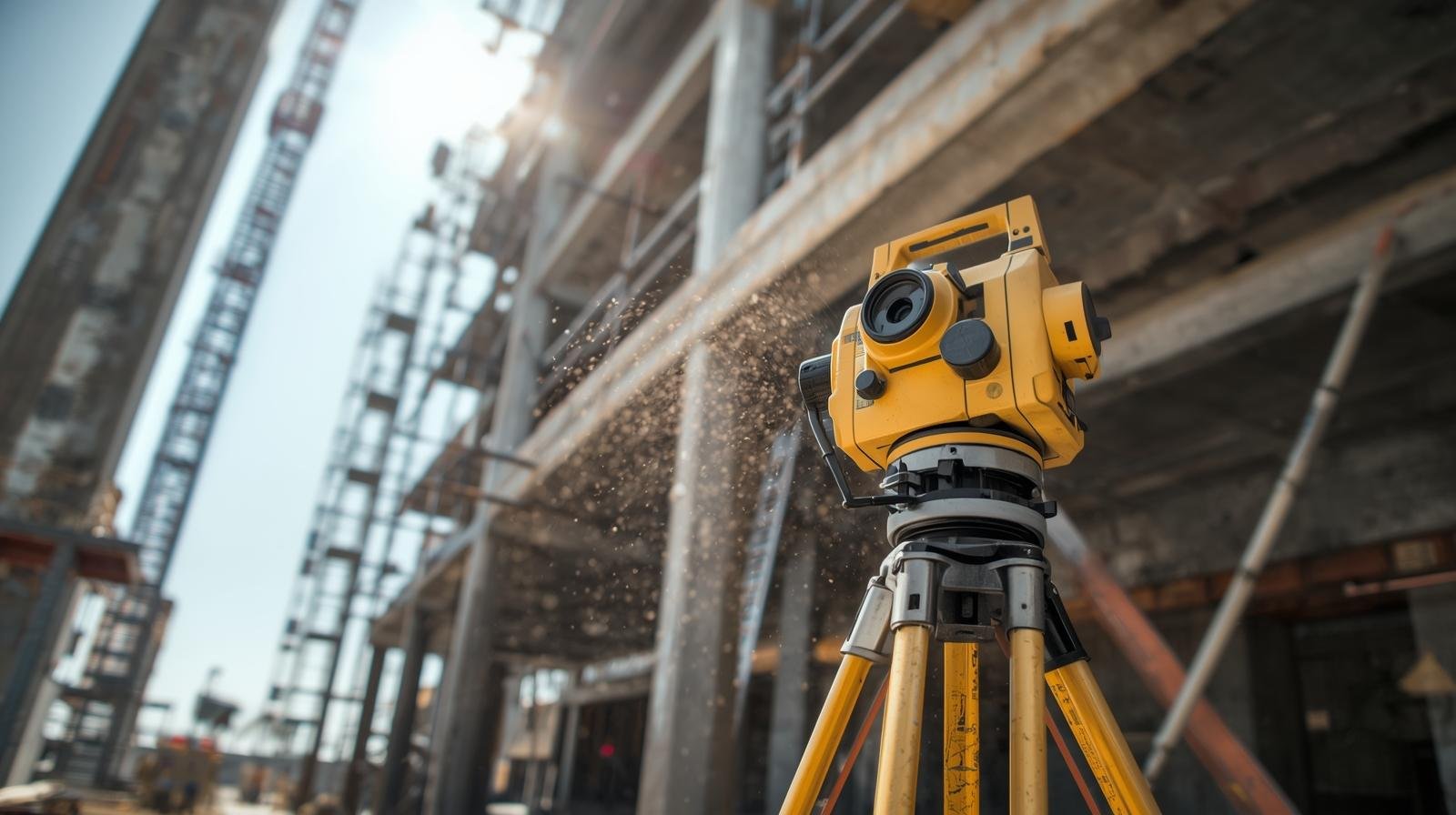
An auto level, also known as an automatic level or dumpy level, is a precision optical instrument used in surveying and construction to measure height differences and establish points at the same elevation. It is widely used for leveling tasks such as setting foundations, grading, road construction, and drainage systems. The auto level simplifies the leveling process by using an internal compensator that automatically maintains the line of sight horizontal, reducing the need for manual adjustments and increasing accuracy and efficiency.
Importance of Auto Level in Construction
Accurate leveling is critical in construction to ensure proper alignment, drainage, and structural stability. The auto level enhances productivity by providing quick, consistent, and precise measurements, minimizing errors associated with manual leveling instruments. It supports tasks ranging from simple site grading to complex engineering surveys.
Components of an Auto Level
Understanding the parts of an auto level helps users operate and maintain the instrument effectively.
Telescope
The telescope magnifies the staff or rod to read measurements accurately. It is mounted on a horizontal axis and equipped with crosshairs for sighting.
Compensator
The internal compensator uses a pendulum or prism system to automatically maintain a horizontal line of sight by counteracting slight tilts of the instrument.
Leveling Base
The base includes leveling screws and a circular bubble vial used to roughly level the instrument before measurements.
Tripod
A stable tripod supports the auto level and allows adjustments in height and positioning.
Working Principle of Auto Level
The auto level is a widely used surveying instrument in civil engineering and construction projects. It is designed to establish a precise horizontal line of sight for measuring elevation differences between points. The working principle of an auto level is based on optical leveling and automatic horizontal adjustment through an internal compensator mechanism.
An auto level instrument consists of a telescope, leveling screws, a bubble tube, and a built-in automatic compensator. After mounting the instrument on a tripod stand, the surveyor performs rough leveling using foot screws. Once approximately leveled, the internal compensator automatically corrects minor tilts and ensures the line of sight remains perfectly horizontal. This feature makes the automatic level more accurate and efficient than a dumpy level.
During operation, a graduated leveling staff is held vertically on a benchmark or survey point. The surveyor looks through the telescope of the auto level and aligns the crosshairs with the staff. The staff reading observed at the intersection of the horizontal crosshair represents the vertical distance between the instrument’s line of sight and the ground point.
The working procedure of auto level surveying includes:
- Taking a backsight (BS) reading on a known benchmark.
- Calculating the Height of Instrument (HI).
- Taking foresight (FS) readings on unknown points.
- Determining the Reduced Level (RL) using arithmetic calculations.
The formula commonly used in auto level surveying is:
Height of Instrument (HI) = RL of Benchmark + Backsight
Reduced Level (RL) = HI – Foresight
By repeating these steps at multiple locations, the auto level machine helps determine accurate ground levels, slopes, and gradients. It is commonly used in road construction, building foundations, drainage layout, and land surveying.
The automatic compensator system is the key component that improves precision. It reduces human error and ensures that the horizontal line of sight remains stable even if the instrument experiences slight vibrations.
Because of its speed, simplicity, and high accuracy, the auto level is an essential leveling instrument in modern surveying equipment. It allows engineers and surveyors to measure elevation differences quickly and maintain proper alignment in construction works.
Types of Auto Levels
Different types of auto level instruments are used in surveying and construction based on design, accuracy, and application requirements. Each type of leveling instrument offers specific advantages depending on the project scale and precision needed.
Dumpy Level
The dumpy level is a traditional leveling instrument with a fixed telescope mounted rigidly on its support. It does not have an internal automatic compensator system.
Leveling is done manually using leveling screws and a bubble tube. Once properly adjusted, the telescope remains fixed in position.
Although durable and reliable, the dumpy level requires more time and skill for accurate setup. It is less common today because modern automatic level instruments provide faster and easier operation.
Automatic Level
The automatic level, commonly referred to as an auto level, is the most widely used leveling instrument in construction and surveying. It contains an internal compensator mechanism that automatically maintains a horizontal line of sight.
After rough leveling using foot screws, the compensator corrects minor tilts and stabilizes the instrument. This feature improves accuracy and reduces human error.
Automatic levels are commonly used for:
- Road construction
- Building foundation leveling
- Drainage layout
- Land surveying
They offer better precision and faster operation compared to traditional dumpy levels.
Digital Level
The digital level is an advanced version of the auto level that incorporates electronic sensors and digital technology. It uses a barcode staff instead of a traditional graduated leveling staff.
The digital display shows readings automatically, eliminating manual observation errors. It also allows data storage and transfer to computers for analysis.
Key advantages of digital levels include:
- High measurement accuracy
- Reduced human error
- Faster data collection
- Electronic data recording
Digital auto level instruments are commonly used in large infrastructure projects, high-precision surveying, and engineering works requiring detailed elevation data.
Each type of auto level serves specific surveying needs, from basic leveling tasks to advanced precision measurements in modern construction projects.
Uses of Auto Level in Construction
The auto level is an essential surveying instrument widely used in civil engineering and building construction. It helps measure elevation differences, establish horizontal reference lines, and ensure accurate leveling in various construction activities. Its precision and ease of operation make it a standard tool on construction sites.
Establishing Reference Points and Benchmarks
An auto level instrument is used to establish permanent or temporary benchmarks on a site. These reference points serve as the basis for all elevation measurements during construction.
Surveyors take a backsight reading on a known benchmark and transfer accurate levels to other points. This ensures consistency and accuracy throughout the project.
Site Grading and Contouring
Auto level surveying is essential for site grading and contouring. It helps determine existing ground levels and design required slopes.
Accurate leveling ensures proper land development, soil cutting and filling, and smooth surface preparation. It also helps prevent water accumulation and uneven settlement.
Foundation Leveling and Alignment
Before laying foundations, precise leveling is critical. The auto level machine ensures that the foundation base is at the correct elevation.
It helps maintain horizontal alignment of footings and slabs. Proper leveling improves structural stability and load distribution.
Road and Highway Construction
In road construction, the auto level is used to maintain proper gradients and slopes. It ensures accurate formation levels for subgrade, base course, and pavement layers.
Correct leveling guarantees smooth road surfaces and effective drainage. It is also used to check camber and longitudinal slope.
Drainage and Sewer Line Layout
Auto level equipment is essential for laying drainage systems and sewer lines. It helps maintain the required slope for proper water flow.
Accurate elevation control prevents backflow and water stagnation. This improves the efficiency and durability of the drainage network.
Bridge and Structural Surveys
During bridge construction and structural projects, precise elevation measurement is crucial. The auto level assists in checking pier levels, deck alignment, and beam placement.
It ensures structural components are placed at the correct height and alignment. This improves overall safety and construction accuracy.
Advantages of Using Auto Level
The auto level is one of the most reliable and efficient surveying instruments used in construction and civil engineering. Its design and automatic features provide several practical benefits on site.
High Accuracy and Reliability
The main advantage of an auto level instrument is its automatic compensator system. This internal mechanism keeps the line of sight perfectly horizontal, even if the instrument is slightly tilted.
This feature improves measurement accuracy and reduces human error. It ensures consistent and reliable leveling results.
Faster Setup and Measurement
Compared to traditional dumpy levels, the auto level allows quicker setup. Only rough leveling is required using foot screws, after which the compensator adjusts automatically.
This speeds up fieldwork and increases productivity during construction surveying.
Reduced Operator Skill Requirement
The automatic leveling feature makes the auto level easier to operate. It requires less technical skill compared to manual leveling instruments.
Even less experienced operators can obtain accurate readings with proper guidance.
Suitable for Rugged Field Conditions
The auto level machine is designed for outdoor construction environments. It is durable and can withstand dust, vibration, and temperature variations.
Its sturdy construction makes it suitable for road projects, bridge works, and large infrastructure sites.
Suitable for Long-Distance Measurements
An auto level can measure elevations over long distances as long as there is a clear line of sight between the instrument and the leveling staff.
This makes it ideal for large sites, highways, canals, and land surveying projects.
Overall, the auto level offers accuracy, speed, durability, and ease of use, making it an essential leveling instrument in modern construction and surveying work.
Operating an Auto Level: Step-by-Step Guide
Using an auto level correctly ensures accurate elevation measurements and reliable surveying results. Follow these steps for proper operation in construction and leveling work.
Step 1: Set Up the Tripod
Place the tripod on firm and stable ground. Spread the legs evenly and press them firmly into the soil to prevent movement.
Ensure the tripod head is approximately level before mounting the instrument. Stability is important for accurate auto level surveying.
Step 2: Mount and Roughly Level the Auto Level
Fix the auto level instrument securely onto the tripod using the mounting screw.
Use the circular bubble vial to perform rough leveling. Adjust the leveling screws until the bubble is centered.
Once roughly leveled, the internal compensator of the auto level will automatically adjust the line of sight to horizontal.
Step 3: Aim at the Leveling Staff
Position the leveling staff vertically on a reference point or benchmark.
Rotate the telescope of the auto level toward the staff. Use the sighting mechanism to align it properly.
Step 4: Focus and Take the Reading
Adjust the eyepiece to sharpen the crosshairs. Then focus the telescope clearly on the staff markings.
Note the value where the horizontal crosshair intersects the leveling staff. This is your staff reading.
Step 5: Move to Other Points
Move the staff to the next survey point.
Take additional readings while keeping the auto level stationary if possible. Record all readings carefully in a field book.
Step 6: Calculate Elevations
Use the collected data to calculate height differences and elevations.
Common calculations include:
- Height of Instrument (HI) = RL of Benchmark + Backsight
- Reduced Level (RL) = HI – Foresight
Accurate recording and calculation ensure correct leveling results.
By following these steps, the auto level can be operated efficiently for foundation leveling, road construction, site grading, and general surveying tasks.
Maintenance and Care Tips
Proper maintenance of an auto level ensures long-term accuracy, durability, and reliable performance in surveying and construction work. Regular care helps prevent costly repairs and measurement errors.
Keep the Instrument Clean and Dry
Always keep the auto level instrument clean after use. Wipe off dust, mud, and moisture with a soft, dry cloth.
Avoid exposing the instrument to rain for long periods. Moisture can damage internal components and affect the compensator mechanism.
Protect the Telescope and Optics
The telescope and lenses are sensitive parts of the auto level. Protect them from dust, dirt, and scratches.
Use a lens brush or soft microfiber cloth for cleaning. Never use rough materials that may damage optical surfaces.
Store in a Protective Case
When not in use, store the auto level in its original protective carrying case.
The case prevents dust entry and protects the instrument from accidental impacts during transportation. Proper storage increases the lifespan of the leveling instrument.
Periodic Calibration and Accuracy Check
Regular calibration ensures that the automatic compensator and line of sight remain accurate.
Check the instrument periodically by conducting simple field tests or sending it to an authorized service center. Calibration maintains precision in elevation measurements.
Handle with Care
Avoid dropping or subjecting the auto level machine to shocks and vibrations.
Carry it carefully during site movement. Sudden impacts can misalign internal components and affect measurement accuracy.
Following these maintenance and care practices keeps the auto level accurate, durable, and ready for reliable surveying performance on construction sites.
Conclusion
The auto level is an indispensable surveying instrument in modern construction and civil engineering projects. It provides accurate elevation measurements and ensures precise horizontal alignment across various site activities.
With its self-leveling compensator, the auto level simplifies the leveling process, minimizes human error, and improves measurement reliability. This automatic adjustment feature increases efficiency and speeds up field operations.
Proper understanding of the working principle, correct operating procedure, and regular maintenance of the auto level instrument are essential for achieving consistent and accurate results. Skilled handling and periodic calibration further enhance performance.
Mastery of the auto level ensures dependable data collection, which is critical for foundation leveling, road construction, drainage layout, and structural alignment. Accurate surveying ultimately supports safe, stable, and successful construction outcomes.
Frequently Asked Questions (FAQs) About Auto Level
1. What is an auto level?
An auto level is a surveying instrument used to measure elevation differences between points. It provides a horizontal line of sight with the help of an automatic compensator.
2. How does an auto level work?
The auto level works by sighting a graduated leveling staff. The internal compensator keeps the line of sight horizontal, allowing accurate height measurements.
3. What is the difference between a dumpy level and an auto level?
A dumpy level requires manual leveling, while an auto level has an internal compensator that automatically maintains horizontal alignment, making it faster and more accurate.
4. Where is an auto level used in construction?
An auto level is used for foundation leveling, road construction, site grading, drainage layout, bridge surveys, and establishing benchmarks.
5. What is a leveling staff?
A leveling staff is a graduated measuring rod used with an auto level to determine elevation readings.
6. How accurate is an auto level?
An auto level provides high accuracy, typically within a few millimeters per kilometer, depending on the instrument quality and proper setup.
7. Why is calibration important for an auto level?
Calibration ensures the compensator and optical system remain accurate. Regular checks prevent measurement errors in surveying work.
8. Can an auto level be used over long distances?
Yes, an auto level can measure long distances as long as there is a clear line of sight between the instrument and the leveling staff.
9. What are the main parts of an auto level?
The main parts include the telescope, eyepiece, objective lens, leveling screws, circular bubble, and automatic compensator.
10. How should an auto level be maintained?
Keep the instrument clean and dry, protect the lenses, store it in a protective case, avoid shocks, and perform periodic calibration checks.