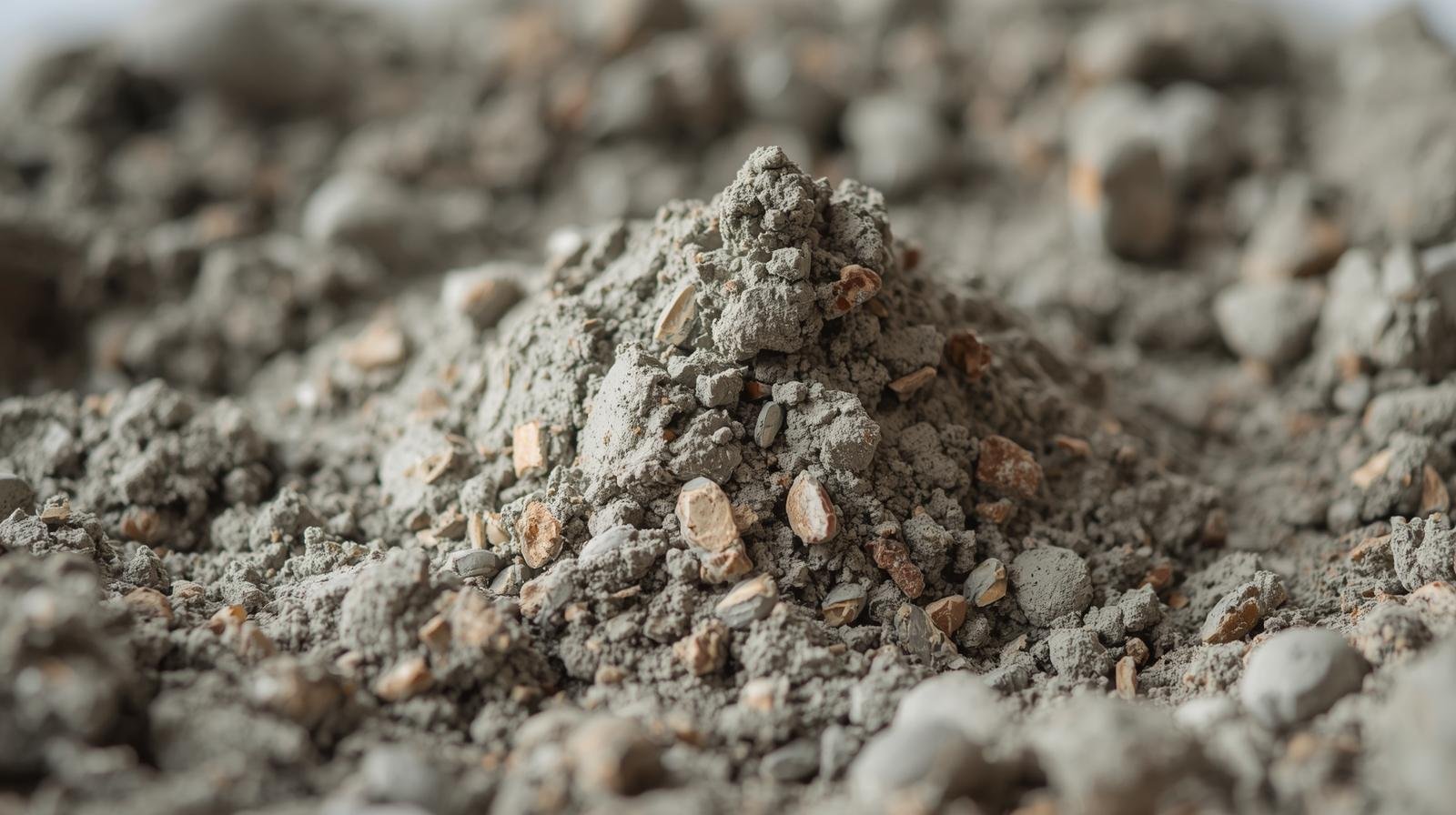
Design mix concrete is a scientific and reliable method used to produce concrete with the required strength, durability, and workability. In this method, the proportions of cement, fine aggregate, coarse aggregate, water, and admixtures are carefully calculated based on laboratory tests. Design mix is widely used in modern construction because it delivers consistent quality and long-term performance. By using design mix, builders can avoid material wastage while ensuring structural safety and durability.
Why Design Mix Is Important in Construction
Design mix plays a crucial role in achieving predictable concrete performance. When concrete is mixed without proper design, it can lead to low strength, cracks, or durability problems. Design mix ensures that concrete meets the required standards for structural safety and service life. It is especially important for RCC works, commercial buildings, and infrastructure projects where quality cannot be compromised.
Key Advantages of Design Mix Concrete
- Consistent and reliable compressive strength
- Better durability in harsh environmental conditions
- Optimum use of cement and aggregates
- Reduced chances of segregation and bleeding
- Improved quality control on site
Difference Between Nominal Mix and Design Mix
Nominal mix uses fixed ratios such as 1:2:4 and is generally suitable for small and non-structural works. It does not consider the actual properties of materials. Design mix, on the other hand, is based on laboratory testing and calculations. It allows engineers to adjust proportions according to material quality and project requirements. Because of this accuracy, design mix is preferred for structural and high-load applications.
Concrete Grades Used in Design Mix
Design mix is commonly used for concrete grades M20 and above. M20 and M25 grades are widely used in residential RCC construction. M30 and M35 grades are suitable for commercial and industrial structures. High-strength grades such as M40 and above are used in bridges, flyovers, and heavy infrastructure projects. Each grade requires a separate design mix to meet its specific strength and durability requirements.
Materials Used in Design Mix Concrete
The performance of design mix concrete depends heavily on the quality of materials used. Cement should be fresh and conform to relevant standards. Fine aggregate must be clean and properly graded with controlled silt content. Coarse aggregate should be strong, durable, and well-graded. Water used in concrete should be potable and free from harmful impurities. Chemical admixtures are often used to improve workability and reduce water demand without affecting strength.
Design Mix Procedure Explained in Simple Terms
The design mix process starts with defining project requirements such as concrete grade, workability, and exposure conditions. Target mean strength is then calculated to ensure the required characteristic strength is achieved. Based on this, the water-cement ratio is selected, followed by calculation of cement content and aggregate proportions. Trial mixes are prepared in the laboratory, tested for strength and workability, and the final mix is approved only after meeting all requirements.
Quality Control in Design Mix Concrete
Quality control is essential to ensure that the approved design mix performs well on site. Regular testing of materials is carried out to maintain consistency. Accurate batching of ingredients is ensured to avoid variation in strength. Slump tests are conducted to check workability, and cube tests are performed to verify compressive strength at different ages. Proper quality control ensures that the concrete delivers long-term performance.
Quality Control Checklist
- Accurate batching of all materials
- Controlled water content
- Regular slump testing
- Compressive strength testing of cubes
Applications of Design Mix Concrete
Design mix concrete is widely used in residential buildings, commercial complexes, industrial floors, bridges, highways, and water-retaining structures. It is the preferred choice wherever strength, durability, and consistency are required. In large infrastructure projects, design mix concrete helps achieve long service life with reduced maintenance costs.
FAQs on Design Mix Concrete
What is design mix concrete?
Design mix concrete is a method where concrete proportions are calculated through laboratory testing to achieve required strength, durability, and workability.
Is design mix compulsory for RCC construction?
Yes, design mix is recommended and often mandatory for RCC and structural works to ensure consistent quality and safety.
Which concrete grade requires design mix?
Design mix is generally used for M20 grade concrete and above.
Is design mix more economical than nominal mix?
Although design mix involves testing and planning, it is more economical in the long run due to reduced material wastage and lower repair costs.
Conclusion
Design mix concrete is a professional and dependable approach to producing high-quality concrete. It ensures strength, durability, and cost efficiency while meeting modern construction standards. By following proper design mix procedures and quality control practices, builders can achieve long-lasting and safe structures. For any project where performance and reliability matter, design mix concrete is the right choice.