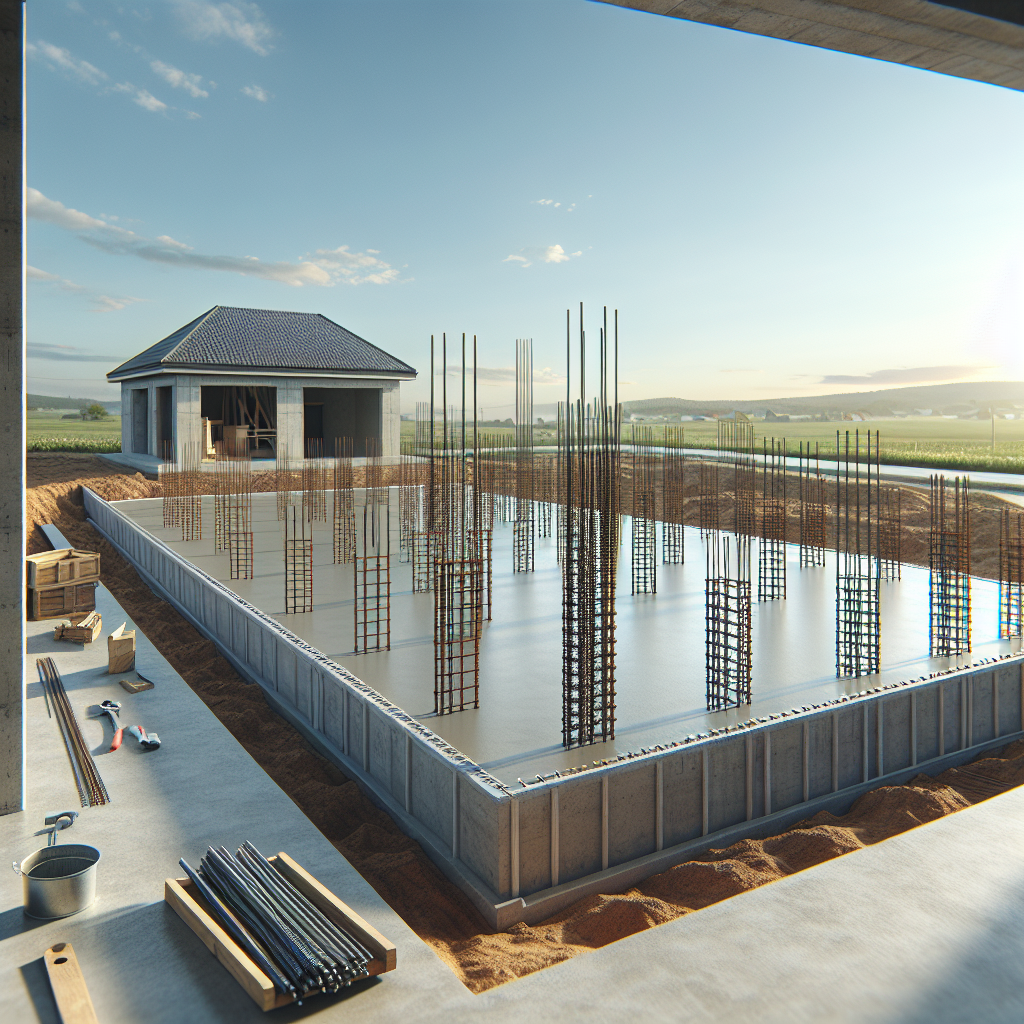
Building the base of a small home requires smart planning. Knowing typical costs and what drives them helps you budget realistically.
This post breaks down expenses, compares foundation types, and explains practical ways to control price without cutting safety or quality.
Typical cost range and main factors
For a 1000 sq ft house, foundation costs vary widely across regions. Basic concrete slab options start at a lower price point, while full basements or deep footings raise costs substantially.
The final number depends on soil, site access, local labor rates, and permit fees. Unexpected conditions like high water tables or large rock layers can add thousands.
How local pricing shapes totals
Labor and material costs differ by city and state. Urban areas often have higher hourly rates and permit costs.
Even transport time for concrete trucks and rebar can add to the bill when the site is remote or cramped.
Soil and site conditions
Soft soils may need deeper footings or soil replacement. Expansive clays and peat often require engineered solutions.
Tests such as a soil borings report or geotechnical survey can clarify needs early and reduce surprises.
Expense breakdown: where the money goes
Breaking the cost into categories helps pinpoint where savings are possible. Major line items include excavation, materials, labor, formwork, and inspections.
Smaller but necessary costs include drainage, vapor barriers, and any temporary shoring or access improvements.
Materials and concrete
Concrete volume drives price. A thicker slab or larger footings increase cubic yards required.
Rebar, mesh, anchors, and concrete admixtures are added costs that ensure strength and longevity.
Labor and equipment
Skilled crews handle footing excavation, forming, rebar placement, and finishing. Their hourly costs vary.
Equipment like excavators, compactors, and concrete pumps may be rented per day and add to the invoice.
Permits, inspections, and site prep
Permit fees differ by locality and cover plan reviews and required inspections. Budget for them early.
Site preparation—clearing, grading, and temporary erosion controls—also affects the timeline and cost.
Foundation types and cost comparison
Choosing a foundation type shapes the structural performance and the price. Each option suits different soil and climate needs.
Common choices include slab-on-grade, crawl space, and full basement foundations, each with trade-offs.
Slab-on-grade
Slab-on-grade is often the least expensive. Concrete is poured directly on compacted soil or aggregate base.
This option works well in mild climates and where deep frost is not a concern.
Crawl space
Crawl spaces raise the house above ground, providing easier access to plumbing and wiring.
They cost more than a slab but less than a full basement. Moisture control and ventilation are important considerations.
Full basement
Basements provide extra living or storage space but are the most expensive option. They require deeper excavation and more concrete and reinforcing.
If the site has a high water table, special waterproofing and drainage are needed, increasing cost.
Ways to estimate expected cost on your site
Start with a general per-square-foot range, then adjust for local factors. This gives a realistic preliminary budget.
Typical ranges can help planning: low-end slab, mid-range crawl space, and high-end basement configurations differ significantly.
Per-square-foot benchmarks
Per-square-foot numbers are useful but rough. For a basic slab, use a lower range; for basements, use a higher range.
Always convert those ranges into total material volume and labor hours to check consistency.
Contingency and unexpected items
Include a contingency of at least 10-20% for surprises like poor soils or changes in scope.
Unplanned items such as rock excavation or utility relocation are common causes of budget increase.
Strategies to manage costs without compromising quality
There are practical choices that reduce cost while keeping safety intact. Planning and clear communication with contractors are key.
Decisions about design simplicity, site access improvements, and material choices can yield significant savings.
Simplify the foundation footprint
Compact or regular-shaped foundations require less excavation and formwork. Complex shapes add time and material waste.
A straightforward rectangular layout often saves money compared to multiple offsets and step-backs.
Choose appropriate materials
High-strength concrete may cost more but allow thinner sections or less reinforcement in some designs.
Discuss durable yet economical finishes, and avoid over-specifying items that are not structurally needed.
Plan access and staging
Good access reduces equipment time and crew hours. Clear driveways and staging areas speed work.
Taking a day to prepare the site can save multiple days of labor and machine rental costs.
Local rules and inspections that affect cost
Building codes set minimum foundation requirements. Review local code early to avoid redesigns later.
Inspections at footing, foundation, and backfill stages are common. Failing an inspection forces rework and extra cost.
Engineering requirements
Some sites require an engineered foundation design, especially with difficult soils or seismic concerns.
Engineered plans add design cost but often prevent costly failures and reduce long-term risk.
Water and drainage rules
Many areas mandate specific drainage measures to protect foundations from groundwater and runoff.
French drains, sump pumps, and perimeter drainage increase upfront costs but protect the structure and reduce repair needs later.
Typical timeline and factors that affect schedule
Foundation work typically spans several days to weeks depending on type, weather, and complexity.
Weather delays, permit wait times, and subcontractor scheduling can stretch timelines beyond initial estimates.
Weather and seasonal impacts
Rain slows excavation and pouring. Cold weather may require heated concrete or additives to ensure proper curing.
Planning pours in temperate seasons reduces risk but may not always align with project timing.
Coordination with other trades
Foundation completion often triggers framing and mechanical rough-ins. Delays cascade into later phases.
Good scheduling and communication with framing crews and inspectors help keep the project on track.
Conclusion
Estimating foundation cost for a 1000 sq ft house means balancing type, site conditions, and local pricing.
Understanding the breakdown and planning for contingencies helps you make informed choices and reduces surprises.
Frequently Asked Questions
How much does a basic concrete slab cost for 1000 sq ft?
A basic slab price depends on concrete thickness, reinforcement, and local rates. Expect a wide range, with simple slabs typically lower than raised or insulated slabs. Check local per-cubic-yard and labor costs to create a site-specific estimate.
Will poor soil always require expensive fixes?
Not always. Some soft soils can be compacted or replaced with engineered fill, which is less costly than deep piers. A geotechnical report clarifies the best approach and can save money by avoiding overbuilt solutions.
Does a basement always add more value than its cost?
Basements offer living or storage space which can add resale value, but the payoff depends on local market preferences and the cost of excavation and waterproofing. In some regions, basements are expected; in others, they add less value.
How much contingency should I include in my budget?
A contingency of 10-20% is typical for foundation work. Use the higher end if the site has unknowns like variable rock, water, or access limitations.
When should I order a soil test?
Order a soil or geotechnical test early, ideally before final design. The results influence foundation type, depth, and reinforcement, and help avoid costly redesigns during construction.