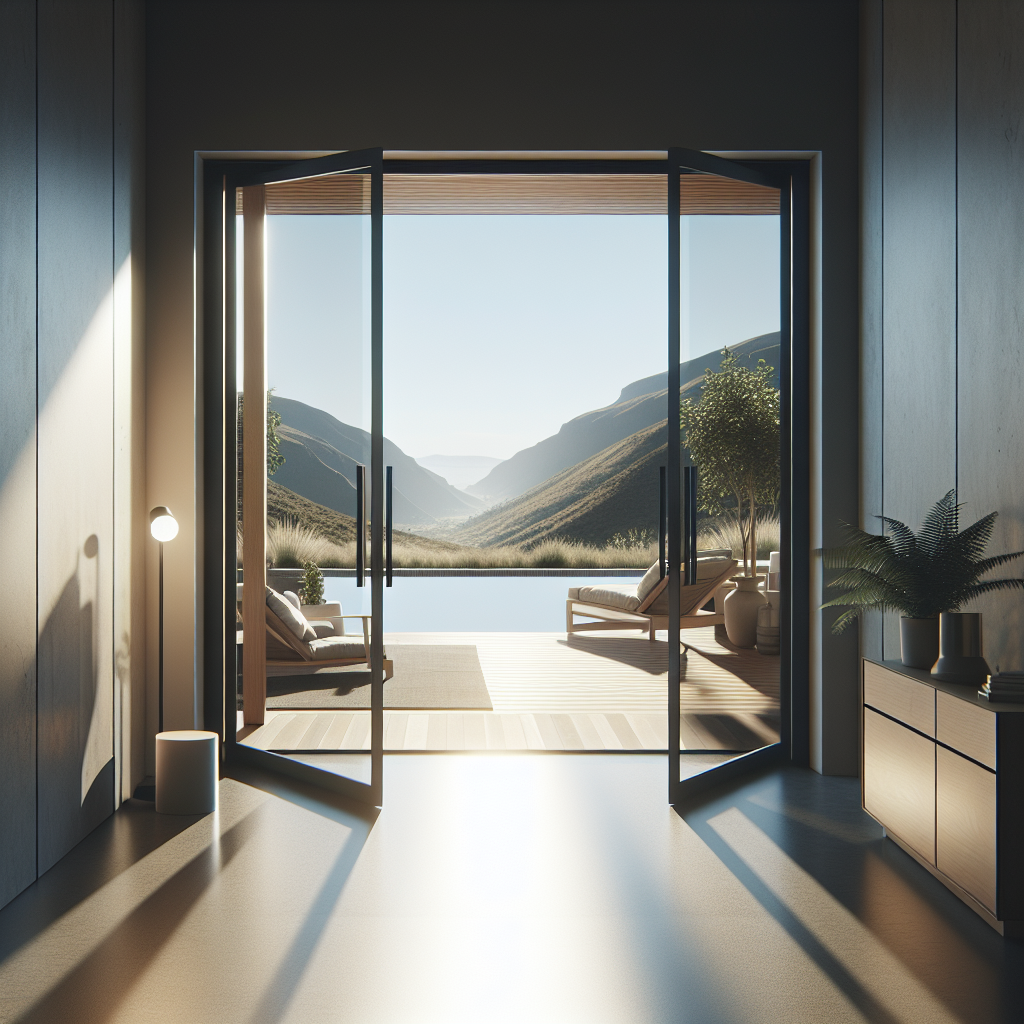
Sliding glass doors are a common choice when homeowners want daylight, easy access, and a low-profile look. Picking the right size matters for function, energy efficiency, and the way the door frames the view.
This post breaks down typical widths and heights, how to check the rough opening, and what to expect from custom options and accessibility choices. Read the size ranges and measurement tips to feel confident when planning a replacement or new opening.
Typical widths and heights
Most sliding doors come in a handful of standard widths and heights. Manufacturers list these sizes to match common wall openings and to simplify ordering frames and glass panels.
Below are typical ranges you’ll see in residential settings and what each size means for panel configuration and light.
Common widths
Widths usually start around 60 inches and go up to 144 inches or more for multi-panel systems. Standard single sliding units often appear in these widths:
- 60 inches (5 feet) — compact openings and small patios.
- 72 inches (6 feet) — the most frequent size for two-panel doors.
- 96 inches (8 feet) — allows larger fixed panels or wider operable panels.
- 120 inches (10 feet) and 144 inches (12 feet) — typically used for three- or four-panel systems or pocket setups.
Standard heights
Heights are more consistent than widths, aligning with common door and ceiling heights. You’ll often find:
- 80 inches (6 feet 8 inches) — the long-time residential standard.
- 96 inches (8 feet) — popular with taller ceilings and modern aesthetics.
- Higher options — 10 feet or custom tall panels for dramatic openings or loft spaces.
Rough opening and framing requirements
Knowing the rough opening size is essential before ordering. The rough opening is the framed space in the wall before the door unit sits inside it.
Allowances are needed for shimming, insulation, and ensuring the track is level and plumb.
Measuring the rough opening
Measure the width at three points: top, middle, and bottom. Use the smallest measurement as your reference. For height, measure left, center, and right, again using the smallest number.
Most installation instructions add a 1/4 to 1/2 inch clearance on each side and the top for shims and foam. Depth matters too — confirm the frame thickness matches the wall cavity.
Clearance and floor track
Check floor level and threshold type. A recessed track needs precise cutting and floor preparation to ensure drainage and a smooth transition.
Threshold height affects accessibility and weather resistance. Low-profile thresholds are common but may require sill pans or flashing to prevent leaks.
Panel counts, materials, and track systems
Panel quantity affects how much glass you see and the opening width when the door is slid open. Frame material determines durability and maintenance needs.
Tracks vary by design and weather rating, so choose a system that matches climate and usage frequency.
Two-panel vs multi-panel systems
Two-panel units are common: one fixed, one sliding. For wider openings, three- and four-panel systems allow larger clear openings and flexible configurations.
Some multi-panel systems use pocketing panels that slide completely into wall cavities for a full opening, while bi-parting doors slide from the center outward.
Frame materials
Aluminum frames are lightweight and affordable but can transfer heat. Vinyl offers good insulation and low maintenance. Wood brings warm aesthetics but needs care. Fiberglass combines strength with low expansion and better thermal performance.
Frame choice influences the visible width of stiles and the maximum panel height manufacturers allow.
Track and roller types
Tracks can be surface-mounted, recessed, or have thermal breaks. Rollers vary from nylon to stainless steel bearings. Better roller systems run quieter and last longer.
Regular maintenance like cleaning tracks and lubricating rollers extends life and keeps the door operating smoothly.
Measuring tips and common sizing mistakes
Incorrect measurements are the most frequent cause of delays. Taking a few extra steps before ordering reduces errors and ensures a faster installation.
Here are precise tips to avoid common pitfalls and verify the right fit.
Checklist before you measure
- Remove temporary covers or trim that could hide the real edges of the opening.
- Measure the finished floor level, especially if replacing an existing threshold.
- Check for bowed studs or out-of-square openings; use a level to confirm.
Common mistakes to avoid
- Using the largest measurement instead of the smallest will cause the door to be too big.
- Ignoring floor or ceiling slope can lead to sticking or gaps.
- Assuming the wall depth matches the new frame — different frames have different depths.
Customization, energy performance, and accessibility
Custom sizes allow expansive views but add cost. Consider thermal performance and thresholds if energy bills and ease of access matter.
Glass type, frame thermal breaks, and installation details influence comfort and efficiency more than raw size alone.
Glass and energy options
Low-emissivity (Low-E) coatings, argon gas fills, and double or triple glazing reduce heat flow. These choices matter most in extreme climates.
Choosing the right glass can improve comfort without changing panel dimensions dramatically.
Accessibility and thresholds
Low or recessed thresholds make entry easier, especially for wheelchairs and strollers. Ensure proper drainage if the threshold sits low to the exterior.
Consider wider operable panels if frequent movement of large items or wheelchair access is anticipated.
Estimating costs and lead times
Price depends on size, material, glass options, hardware quality, and whether the unit is standard or made to order. Larger and custom units typically take longer to deliver.
Budgeting realistically includes the unit price, delivery, possible framing work, and professional installation if required.
Standard vs custom pricing
Standard sizes are mass-produced and more affordable. Custom widths, heights, or unique finishes increase price and lead time. Costs can rise steeply once sizes exceed common manufacturing dimensions.
Hardware quality also affects price—upgraded locks, handles, and rollers carry extra cost but improve long-term performance.
Turnaround and scheduling
Standard units may ship in a few days to a few weeks. Custom orders often take several weeks to months, depending on glass lead times and frame finishes.
Plan around seasonal demand spikes where manufacturers and installers are busiest.
Conclusion
Knowing typical sliding door widths and heights helps narrow choices and plan openings. Accurate rough opening measurements and attention to frame depth make installation smoother.
Consider panel count, frame material, glass options, and threshold type to balance appearance, performance, and accessibility when selecting a door.
Frequently Asked Questions
What are the most common sliding door sizes?
The most common widths for two-panel sliding doors are 72 and 96 inches, with heights typically at 80 or 96 inches. Wider multi-panel options are available for broader openings.
How much clearance should I leave in the rough opening?
Manufacturers typically recommend 1/4 to 1/2 inch clearance on each side and the top to allow for shims and insulation. Depth clearance should match the frame thickness.
Can I replace a swinging door with a sliding unit?
Often yes, but you must check structural framing and available wall space. Converting a swinging door to sliding may require header adjustments and changes to exterior flashings.
Do sliding doors come energy efficient?
Yes. Options like Low-E coatings, insulated frames, and multi-pane glass improve thermal performance. Proper installation and correct weatherstripping are also crucial.
What affects the price most for larger doors?
Size, glass options, frame material, and hardware quality are major cost drivers. Custom sizes and specialty glass or finishes increase price and lead time.
Is a low threshold safe for wet climates?
Low thresholds can work, but they require careful flashing, proper slope, and sometimes a sill pan to prevent water intrusion. Consult product specs and installation details for wet locations.