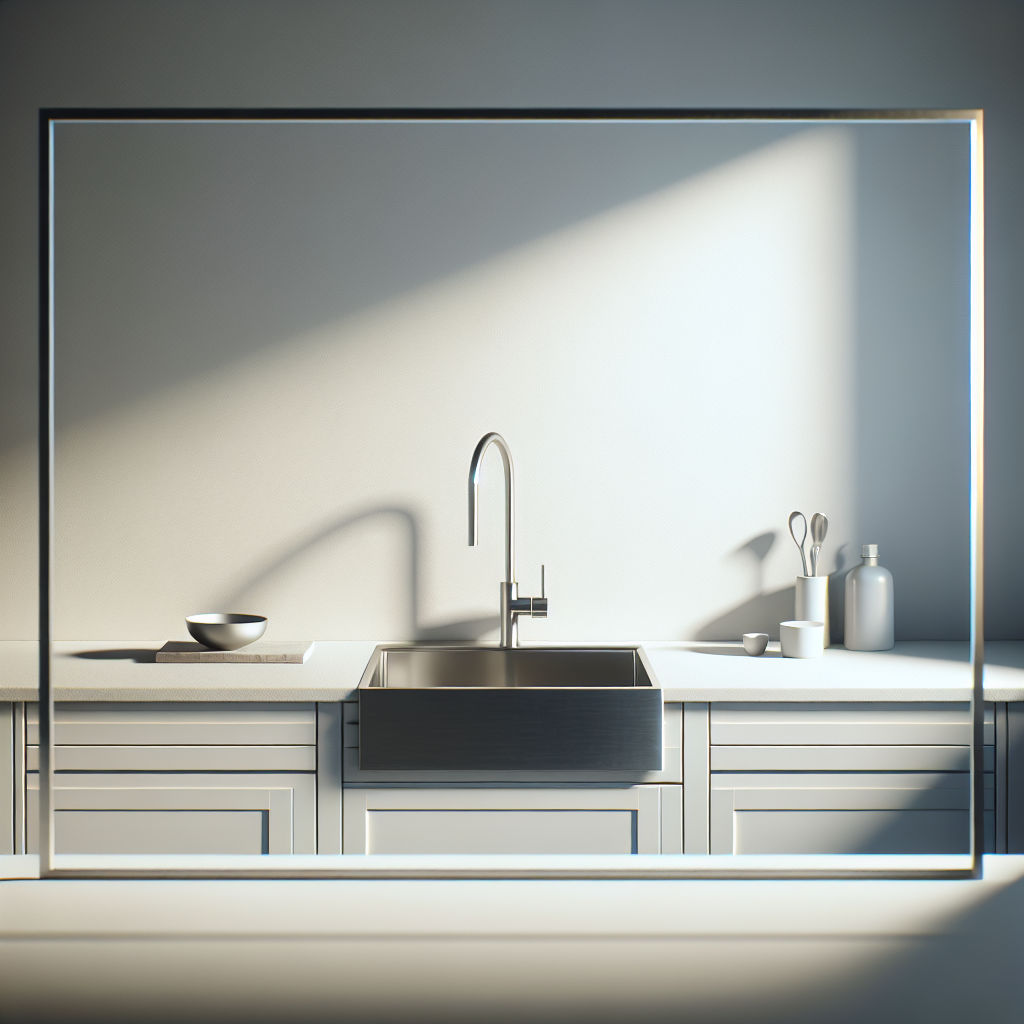
Choosing the right sink size shapes both how your kitchen looks and how it works. Knowing common widths, depths and bowl layouts helps you pick a sink that fits cabinets, counters and daily tasks.
This article outlines typical sizes, measurement steps and material trade-offs so you can match a sink to your space and needs without guesswork.
Common sink sizes and styles
Most sinks fall into predictable width ranges that line up with standard cabinet sizes. Knowing these ranges makes shopping and planning much easier.
Below are the typical widths and popular layouts to consider when choosing a new sink.
Single-bowl sinks
Single-bowl sinks are often the widest option within a given cabinet width. They work well when you need one large basin for big pots or limited counter space.
Common widths: 24 to 36 inches. Depths often range from 8 to 10 inches, but deeper single bowls are available.
Double-bowl sinks
Double bowls come in equal or unequal sizes. They are convenient for multitasking—washing on one side and rinsing on the other.
Typical widths: 30 to 36 inches. Bowl widths vary; one bowl may be 60% of the total while the other takes 40%.
Farmhouse (apron-front) sinks
Farmhouse sinks project slightly beyond the cabinet face and create a focal point. They come in single or divided bowls and tend to be deeper.
Standard widths: 30 to 36 inches. Depths often range from 9 to 10 inches or more, which changes cabinet storage below.
Bar and prep sinks
Smaller sinks suit islands, wet bars or secondary prep areas. They free up the main sink while handling small tasks.
Common sizes: 15 to 24 inches wide and 5 to 8 inches deep.
Measuring steps to fit a sink
Accurate measurements prevent surprises. Measure the cabinet, the countertop cutout (if replacing), and clearances near walls or appliances.
Follow these steps to ensure the sink fits and the plumbing lines up.
Measure the cabinet opening
Start inside the cabinet. Measure the interior width, depth and height from the front edge to the back wall.
Most sinks require a minimum cabinet width: 24 inches for small single bowls, 30 to 36 inches for double bowls or larger single bowls.
Check countertop overhang and support
Note if the countertop has an overhang that interferes with an apron-front sink or drop-in lip. Ensure the countertop material can support the sink weight.
For heavy materials like cast iron, confirm there is adequate support under the counter and inside the cabinet.
Locate plumbing lines and drain placement
Measure from the back wall to the center of the existing drain. Many sinks position the drain 2 to 6 inches from the back edge, but placement varies.
If drain placement doesn’t match the new sink, you may need to shift plumbing slightly or choose a sink with a compatible drain location.
Depth, bowls and capacity
Sink depth affects ergonomics, capacity and plumbing. Deeper basins hold more but may strain the back if installed without a comfortable counter height.
Consider how you use the sink daily—large pots, dishwashers, or frequent handwashing—when selecting depth and bowl configuration.
Shallow vs deep basins
Shallow basins (6 to 8 inches) keep items easier to reach and reduce bending. They suit smaller kitchens or users with mobility concerns.
Deep basins (9 to 12 inches) allow more soaking space and fit large pots, but they make reaching the bottom harder and may need deeper plumbing traps.
Single vs double bowls—pros and cons
Single bowls maximize uninterrupted space. They work well where large items are common.
Double bowls split tasks. A deep main bowl with a shallow secondary bowl offers flexibility for rinsing or disposing waste while washing larger items separately.
Bowl capacity and water volume
Bowl capacity is useful when you prepare large meals. Manufacturers sometimes list volume in quarts or liters; check these numbers if capacity matters.
Remember deeper, wider bowls increase volume rapidly, which affects the amount of water needed to fill and the size of the drain setup.
Materials and their impact on size and installation
Material choice affects weight, thickness, noise and how the sink mounts to the counter. Different materials also influence perceived size and depth.
Below are common materials and what they mean for installation and care.
Stainless steel
Stainless steel is lightweight and pairs with most counters. It suits undermount and top-mount installations well.
Thickness is rated in gauge; lower gauge means thicker steel. Thicker steel reduces noise and can make the basin feel more solid.
Composite granite and quartz
Composite sinks look heavy and often have thicker walls. They resist scratches and stains and come in many colors.
They add weight, so support under the countertop is important. These sinks can be undermounted or top-mounted depending on style.
Cast iron
Cast iron has a durable enamel finish and long life. It is very heavy and requires strong support and careful handling during installation.
Depth and bowl feel are substantial; however, chips or cracks in the enamel are harder to repair than other materials.
Matching sink type to cabinet and countertop
Choosing a sink means matching it to the cabinet width and countertop style. Some sinks require larger or modified cabinet openings.
Think about drawer layouts, under-sink storage and proximity to appliances when selecting a size and shape.
Cabinet size and drawer interference
A sink that spans most of a cabinet can limit drawer or shelf space below. Check that garbage disposal, water filter and plumbing fit without blocking drawers.
For narrow cabinets, small single-bowl or compact double-bowl sinks leave more room for storage and plumbing access.
Countertop cutouts and edge details
Existing cutouts may dictate the sink type—drop-in sinks fit most cutouts while undermount sinks need solid surface materials and precise cuts.
Edge details like a thick butcher block or tile backsplash can affect the visible width of the sink and the clearance for faucets and accessories.
Appliance and accessory placement
Confirm the faucet, soap dispenser, and any soap pumps have room on the deck or counter. Some sinks include pre-drilled holes; others need drilling during installation.
Consider the dishwasher location. The sink drain and dishwasher inlet should align for easier hook-up and shorter drain lines.
Conclusion
Knowing standard sizes and how to measure saves time and money. Pick a sink that fits the cabinet width, aligns with plumbing and matches how you use the kitchen.
Balance depth, bowl layout and material to match daily tasks and cabinet capacity. Careful measurement ensures a smooth installation and a sink that feels right in the space.
Frequently Asked Questions
What is the most common sink width for kitchens?
A common range is 30 to 33 inches for many kitchens, especially when choosing a double-bowl or standard single-bowl sink. Smaller kitchens may use 24-inch sinks, while larger or farmhouse styles often reach 36 inches.
How deep should a kitchen sink be?
Depths between 8 and 10 inches suit most households. If you wash large pots frequently, a 10 to 12 inch basin may be better. Keep counter height and back comfort in mind with deeper basins.
Can I install a larger sink than my current one?
Possibly, but check the cabinet width, countertop overhang and plumbing placement first. A wider sink may need a larger cutout or changes under the cabinet to fit pipes and disposal units.
Does sink material affect required cabinet support?
Yes. Heavy materials like cast iron or thick composite need extra support in the cabinet and under the countertop. Lighter materials like stainless steel put less strain on the base structure.
How do I measure the drain location for a new sink?
Measure from the back wall to the center of the existing drain and from the cabinet floor to the center. Compare these numbers with the new sink’s drain specs to ensure compatibility.
Are there standard sizes for farmhouse sinks?
Farmhouse sinks commonly come in 30, 33 and 36 inch widths. They often sit inside or slightly in front of the cabinet face, so measure both cabinet opening and front overhang before choosing one.
What width sink fits a 36-inch cabinet?
A 36-inch cabinet can usually accept sinks sized 30 to 36 inches wide. A 33-inch sink is a popular choice to allow space for mounting clips and faucet holes if needed.
Is undermount different in measurement than top-mount?
Yes. Undermount sinks need precise cutouts and solid countertop edges, while top-mount sinks have a rim that sits on the counter. Undermount models often reduce the visible rim and can change how width is perceived.
How much clearance should be left from the sink to the wall?
Leave enough space for faucet handles and cleaning behind the sink—typically 3 to 6 inches from the back edge to the wall. Check faucet specs for exact clearance needs.
Can I change the drain location when replacing a sink?
Yes, but moving the drain may require rerouting plumbing and possibly opening the cabinet floor or wall. Small shifts are often manageable; larger moves might need a plumber.