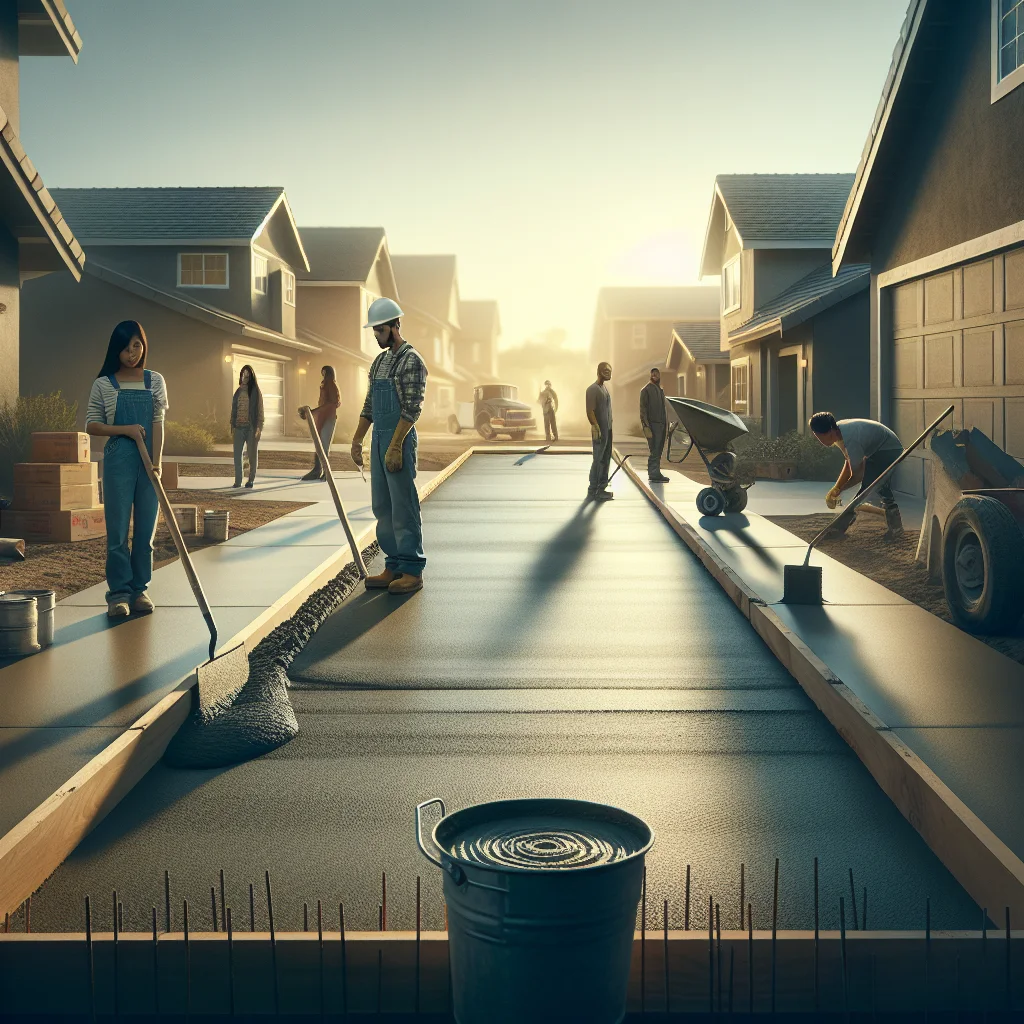
Figuring out how much a new concrete driveway will set you back can feel overwhelming. Costs vary widely depending on materials, labor, and the shape and slope of your property.
This article breaks down what affects pricing, offers sample estimates, and explains where extra charges often come from so you can budget with confidence.
What drives the price
Several factors influence the final number on a quote. Material choice is the starting point, but labor, site conditions, and finishing options quickly add up.
Even local regulations and permit fees can shift the estimate. Understanding each cost component helps spot reasonable bids and avoid surprises.
Material quality and type
Standard poured concrete is the baseline. Upgrades like stamped, colored, or exposed aggregate increase costs because of extra materials and labor time.
Higher-strength mixes or additives for freeze-thaw resistance add to material cost but extend lifespan in harsh climates.
Site access and preparation
Easy access and a flat yard reduce labor and equipment needs. If heavy machines must maneuver down narrow lanes or slopes, crews charge more.
Clearing vegetation, removing old pavement, and grading take time and may require disposal fees, raising the total.
Complex shapes and drainage needs
Curved driveways, integrated planters, or multiple levels require extra formwork and precise finishing. That craftsmanship is reflected in the price.
Proper drainage prevents future damage but can mean installing drains, catch basins, or grading to an appropriate slope.
Material choices and typical prices
Material choice is one of the easiest levers to move when estimating cost. Each option has its own price range and maintenance profile.
Below are common concrete options and what to expect in terms of relative expense.
Basic poured concrete
Standard plain concrete is the most cost-effective. It’s poured, smoothed, and allowed to cure. Prices are usually quoted per square foot and depend on thickness.
This option provides a durable, low-maintenance surface with a neutral appearance that works well for most homes.
Stamped or colored concrete
Color and stamping add visual interest and mimic stone, brick, or tile. They require additional materials and skilled finishing, so they increase labor hours.
Expect to pay a premium for intricate patterns and premium pigments that resist fading.
Exposed aggregate and decorative finishes
Exposed aggregate shows the stone beneath the surface, offering texture and grip. Decorative finishes can include scoring or overlays for a customized look.
These finishes can be mid-to-high range depending on the complexity and materials used.
Labor, site prep and installation steps
Labor typically represents a large portion of the total cost. Installation involves multiple stages that each demand time, skill, and equipment.
Knowing the steps helps explain why some quotes are higher and which items to question in an estimate.
Site evaluation and permit handling
A professional will inspect grade, drainage, and underground utilities before work begins. Some areas require permits; the contractor may include that fee in the quote.
Failing to get permits can lead to fines or costly changes later, which is why responsible bids often include permit fees up front.
Excavation and base preparation
Proper excavation and a compacted base are critical for performance. Gravel or crushed stone beneath the slab reduces settling and improves drainage.
Prices rise when contractors need to haul away large amounts of soil or remove an old driveway surface.
Forming, pouring and finishing
Forms hold the concrete shape; pouring follows with leveling, troweling, and finishing. Finishing quality affects both appearance and durability.
Joint cutting to control cracking and sealing after cure add labor but extend the life of the surface.
Cost breakdown and example estimates
Concrete driveway prices are often broken down into per-square-foot figures, equipment costs, labor, and extras. Local labor rates and material prices create wide regional differences.
Below are rough ranges to help you set expectations. These are ballpark numbers and actual quotes will vary.
- Base poured concrete (per sq ft): low to mid range — typically more affordable on a flat, accessible site.
- Stamped or colored surfaces (per sq ft): mid to high range — additional pattern and pigment costs apply.
- Exposed aggregate (per sq ft): mid range — finished surface and material adjustments raise price.
- Removal and disposal of old driveway (flat fee or per ton): adds to upfront cost, dependent on size and material.
- Drainage and grading work: varies substantially, sometimes a few hundred dollars to several thousand for complex jobs.
Example estimate 1 — Small, 300 sq ft, standard poured:
- Materials: concrete mix and reinforcement
- Labor: excavation, formwork, pour, finish
- Typical total: a moderate, budget-friendly number when access and site prep are simple
Example estimate 2 — Medium, 600 sq ft, stamped and colored:
- Materials: premium pigments and stamping tools
- Labor: skilled finishers, longer working time
- Typical total: significantly higher due to finish complexity and curing time
Example estimate 3 — Large, 1,200 sq ft with exposed aggregate and drainage work:
- Materials: decorative aggregate and additives
- Labor: heavy base prep, drains, and extended finishing
- Typical total: highest among examples due to scale and added drainage features
How to read and compare estimates
Not all quotes line up neatly. A low price can hide omitted steps or cheaper materials; a high price may include important extras that prevent future repairs.
Look for line items that cover materials, labor hours, base prep, jointing, sealing, and disposal. Clear contracts reduce later disputes.
Watch for exclusions
Some bids exclude permits, geotechnical work, or tree root removal. Ask what’s not included and add those items into your comparison.
Also check warranty terms and curing timelines, as rushing the process can compromise long-term performance.
Get multiple bids and ask questions
Comparing three written estimates gives a realistic range for your area. Ask contractors to explain line items you don’t understand.
Reputable crews will explain why certain costs are necessary and how they protect your investment.
Ways to manage costs without sacrificing quality
You can reduce the final bill by adjusting non-structural choices or preparing the site yourself in safe, permitted ways.
Balance savings against the risk of cutting essential steps that would lead to repairs later.
Choose a simpler finish
Plain poured concrete is durable and much cheaper than decorative options. If budget is tight, prioritize slab performance over looks.
Later upgrades like staining or surface overlays can be added if desired, often at lower cost than an initial decorative pour.
Limit area or change layout
Reducing width or rethinking the approach to parking can cut square footage and materials.
Simpler shapes are cheaper to form and pour, so opting for straight lines over complex curves saves money.
Schedule wisely
Contractors are busiest in mild weather; booking in a shoulder season may yield better pricing or scheduling flexibility.
Coordinating work with neighboring projects can reduce equipment rental times and lower costs.
Conclusion
Estimating a new driveway’s cost means looking beyond a single per-square-foot number. Material choice, site prep, labor rates, and optional features shape the final bill.
Understanding each component lets you compare quotes fairly and make decisions that balance appearance, durability, and budget.
Frequently Asked Questions
How much does a typical concrete driveway cost per square foot?
Prices per square foot vary by region, but a common range reflects basic poured work at the lower end and decorative finishes at the higher end. Check local bids to see where your property falls.
Does thicker concrete always last longer?
Thicker slabs help with heavy loads, but longevity also depends on base preparation, reinforcement, and drainage. A thin slab on a poorly prepared base will fail sooner than thicker concrete on a stable base.
Will colored or stamped concrete need more maintenance?
Decorative finishes may require periodic resealing to preserve color and texture. Routine cleaning prevents stains and prolongs appearance, but structural maintenance follows similar steps as plain concrete.
When should I expect additional charges?
Extra costs commonly arise from poor site access, removal of an old driveway, unexpected soil conditions, or necessary drainage fixes. Contractors should list potential add-ons in their estimates.
Can I pour a concrete driveway myself to save money?
DIY projects can reduce labor costs, but pouring and finishing concrete require skill to avoid cracking and uneven surfaces. Consider your experience and the tools required before taking this on.