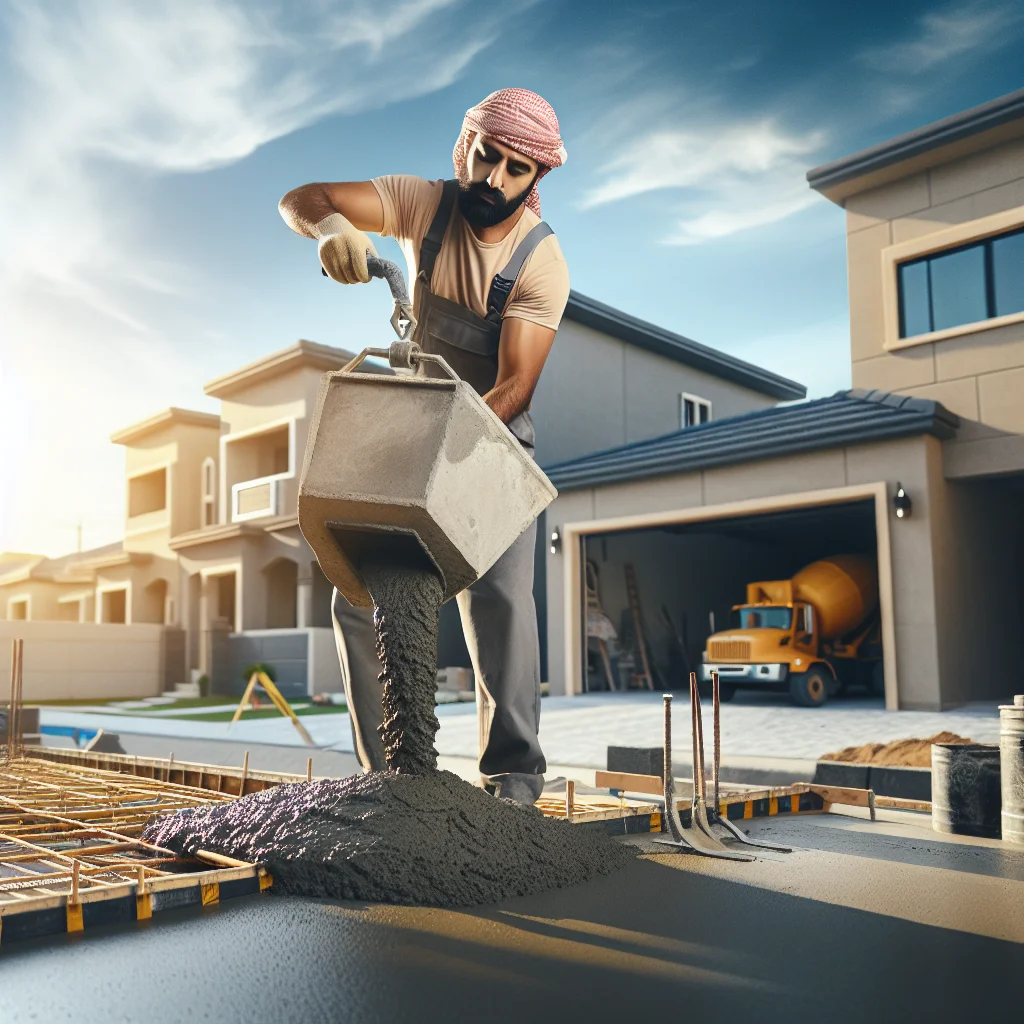
Estimating the price of a concrete slab can feel overwhelming. Small differences in thickness, reinforcement, or site access can change the final number by hundreds or thousands of dollars.
This article breaks down the typical costs you should expect, why prices vary, and practical ways to read a quote. The goal is to help you spot key cost drivers and compare estimates with confidence.
How slab pricing is calculated
Most quotes start with a few basic measurements: area (square feet) and thickness (inches). From those, contractors convert volume and list materials, labor hours, equipment needs, and permit or disposal fees.
Beyond raw numbers, local labor rates, concrete mix availability, and site complexity play large roles. Two similar slabs can cost very differently in separate neighborhoods.
Square footage and thickness
Price per square foot often assumes a standard thickness—commonly 4 inches for driveways and patios, 6 inches for garages, and more for heavy loads. Increasing thickness raises concrete volume and labor time.
Volume and unit pricing
Concrete is ordered by the cubic yard. To convert: multiply area (sq ft) by thickness (ft) and divide by 27. Suppliers quote a per-cubic-yard price that includes the mix and delivery.
Material and labor breakdown
Understanding the split between materials and labor helps when comparing quotes. Materials include concrete, reinforcement, vapor barriers, and finishing supplies. Labor covers excavation, forming, pouring, finishing, and cleanup.
On average, material costs and labor costs can be roughly equal, but this shifts with site difficulty or using specialty mixes and finishes.
Concrete mix and additives
Standard mixes are cheaper than high-strength or specialty mixes. Additives such as air entrainment, fibers, or retarders increase price but can improve durability and reduce cracking.
Reinforcement: rebar vs wire mesh vs fiber
Rebar adds strength for heavy loads and footings. Wire mesh is common in patios and slabs with lighter loads. Synthetic fibers reduce shrinkage cracks and can lower labor for placement compared with mesh or rebar.
Labor tasks and rates
Labor includes grading, forming, pouring, finishing, and curing. Complexity (slope, tight access, odd shapes) increases hours and therefore cost. Local union rates or contractor demand also affect pricing.
Common extras and site costs
Several line items often appear after the initial slab estimate. These can add 10% to 40% to the base slab price depending on conditions.
Expect these extras on most projects, especially in older or heavily landscaped lots.
Excavation and soil work
Removing topsoil, loose fill, or tree roots adds to cost. Unstable soil may require compacting, geotextile fabric, or importing compactable fill, which increases price rapidly.
Drainage, grading, and subbase
A stable subbase of compacted gravel is often required. Proper grading directs water away from the slab. These steps prevent long-term damage but add upfront expense.
Permits, inspections, and disposal
Building permits and inspections vary by location. Demolition and disposal fees for old concrete or unsuitable soil are common. Always check local requirements early.
Cost estimates by slab type and thickness
Below are typical ranges to set expectations. Regional pricing, season, and contractor availability can push numbers up or down.
- 4-inch slab (patio, walkway): lower material and labor — commonly the least expensive per square foot.
- 6-inch slab (garage, light vehicles): higher cost due to extra concrete and reinforcement needs.
- 8–12 inch or more (industrial, heavy equipment): significant increase for materials, rebar, and thicker subbase.
Example cost breakdown (per square foot)
These are ballpark numbers to help compare quotes. Local rates can vary:
- 4″ standard slab: $5–$10 per sq ft — includes basic subbase, pour, and finish.
- 6″ garage slab: $8–$15 per sq ft — includes wire mesh or rebar and stronger mix.
- Heavier duty slab: $12–$25+ per sq ft — for high-strength mixes, dense reinforcement, or complex finishes.
Small vs large projects
Smaller slabs often carry higher per-unit costs due to fixed mobilization and setup time. Larger projects benefit from economies of scale but may need additional staging or joints.
Ways to reduce costs without risking performance
Cost-cutting is possible if you prioritize what matters most. Cutting the wrong item can cause costly repairs later, so choose wisely.
Here are practical ways to lower the price while keeping durability intact.
Choose the right thickness
Avoid over-specifying thickness. Match the slab to actual loads. A 4-inch slab is fine for foot traffic and lawn furniture, while vehicles usually need 6 inches.
Compare reinforcement options
Synthetic fibers can be cheaper than rebar for moderate loads and reduce cracking. For heavy loads, invest in proper rebar placement instead of skimping.
Simplify shape and finish
Complex shapes and decorative finishes add labor and time. A simple rectangle with minimal control joints will usually cost less.
Estimating and comparing contractor quotes
Getting multiple quotes is essential. But comparing numbers line by line reveals the real differences and helps spot omitted items or bait pricing.
Always ask for a written breakdown and clarify ambiguous items before accepting a bid.
What to request in a quote
- Concrete volume and mix design with unit price.
- Details on reinforcement type and spacing.
- Subbase depth and material description.
- Labor hours or method and any mobilization fees.
- Permits, disposal, and cleanup line items.
Red flags in estimates
Very low bids that lack detail, omit subbase work, or skip permits can lead to added costs later. Also watch for vague warranty terms or no timeline.
Conclusion
Understanding the components of price helps you make informed decisions and avoid surprises. The biggest drivers are thickness, reinforcement, site preparation, and local labor markets.
Use detailed quotes to compare apples to apples. Small upfront investments in proper subbase and reinforcement save money and headaches long-term.
Frequently Asked Questions
How much does a typical 2-car garage slab cost?
A 2-car garage slab (about 20’x20′ at 6″) often falls between $2,500 and $7,000. The range reflects reinforcement choices, subbase work, and regional price differences.
Is rebar necessary for all slabs?
Not always. For light-use patios and walkways, wire mesh or fibers may suffice. For vehicle loads and heavy equipment, rebar is recommended to control cracking and add strength.
Can I pour a slab in winter?
Yes, but it requires measures like heated blankets, warm mix, or accelerators to ensure proper curing. Winter pours tend to cost more due to the extra steps and material adjustments.
How long before a slab can be used?
Concrete reaches workable strength in a few days, but full curing takes about 28 days. Light foot traffic is okay after several days, while vehicles are best after a week or more, depending on thickness and mix.
What maintenance keeps a slab lasting decades?
Control joints, proper drainage, periodic sealing, and avoiding heavy concentrated loads help extend life. Address small cracks quickly to prevent wider damage.